

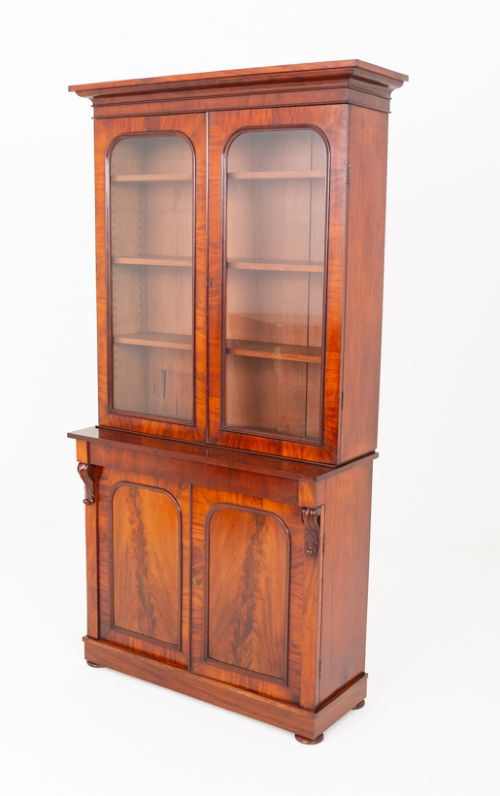
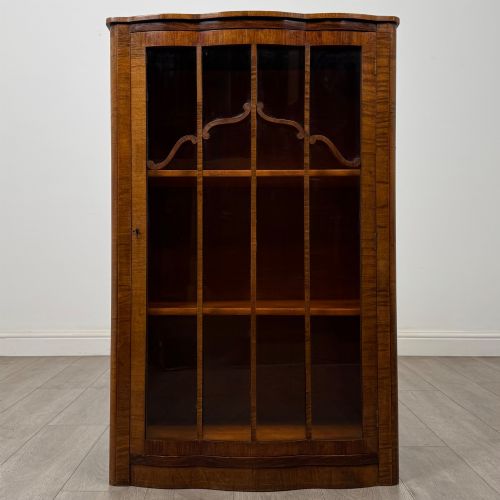
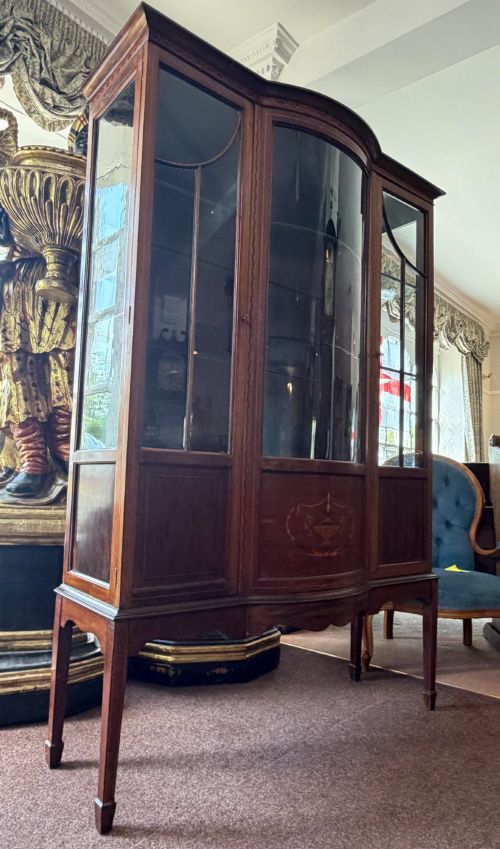
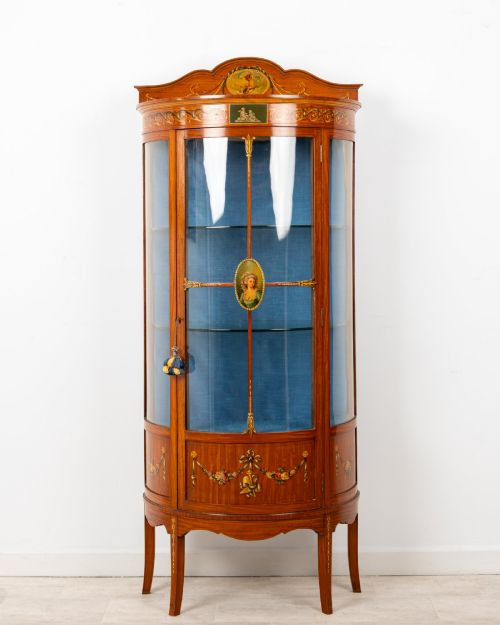
Wood Glass Fronted Cabinet
A wood glass fronted cabinet holds books and treasured objects behind clear panes, bringing elegance and practical storage to a room.
Wood Glass Fronted Cabinet
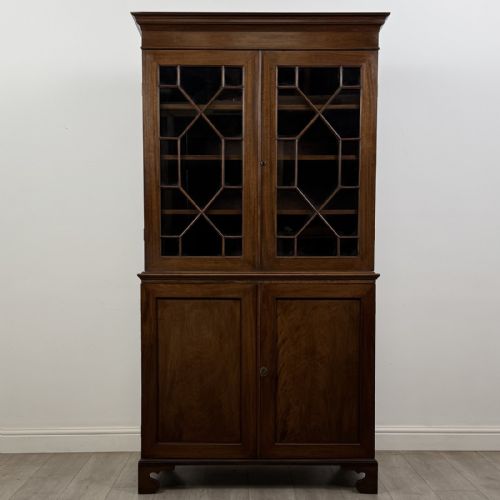
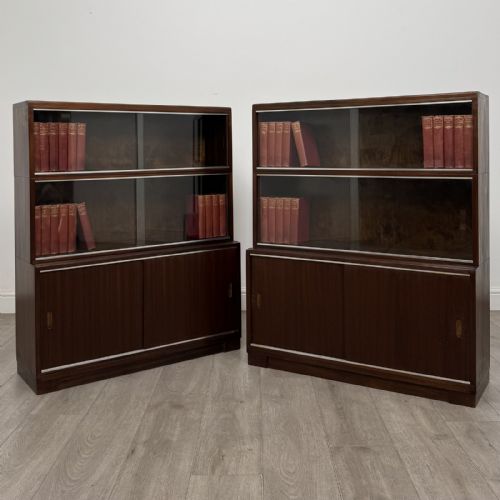
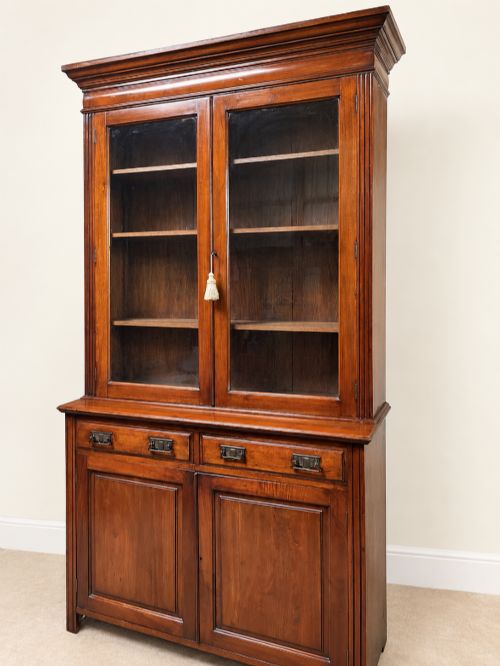
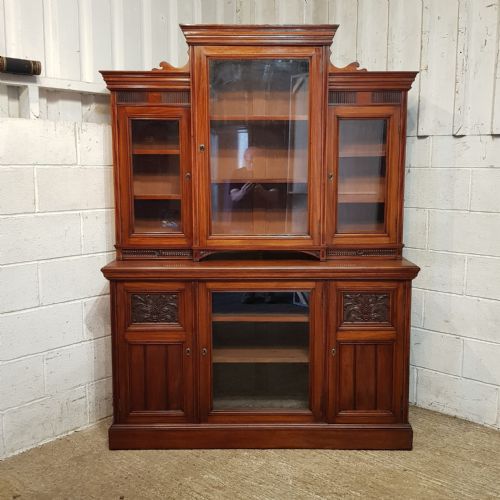
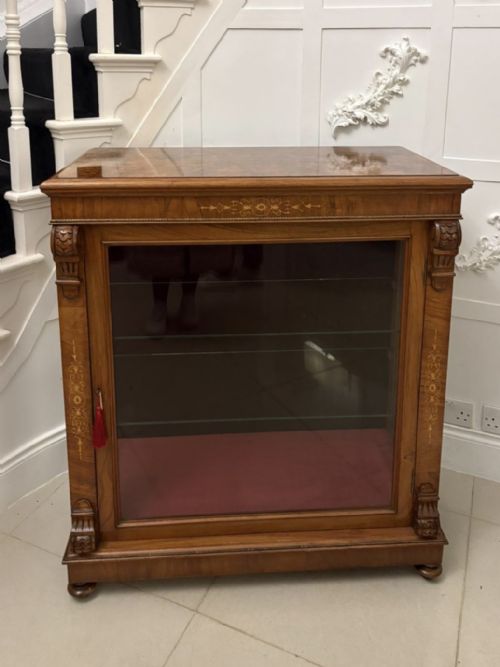
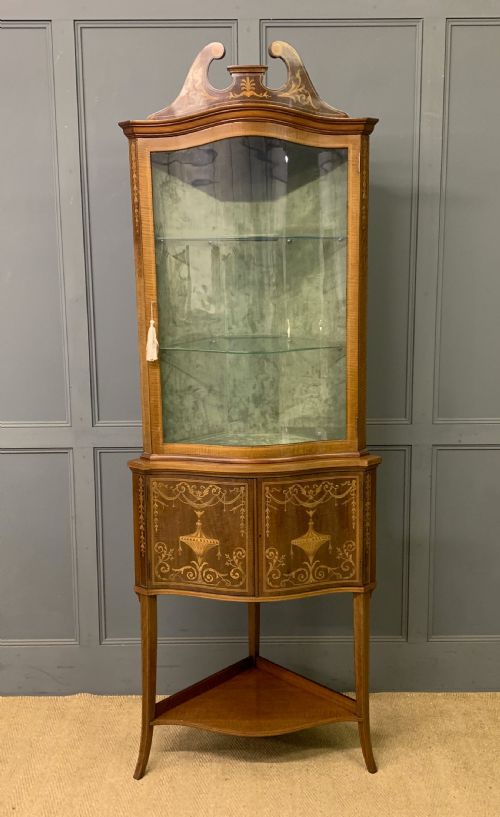
A wood glass fronted cabinet combines timber framing with transparent panels to display contents while keeping dust at bay. These pieces range from tall library bookcases to compact corner units and low display cabinets.
The selections span the Victorian, Edwardian, and Art Deco periods, showcasing diverse regional cabinetry traditions. Mahogany, walnut, and oak form the structural backbone of these furnishings.
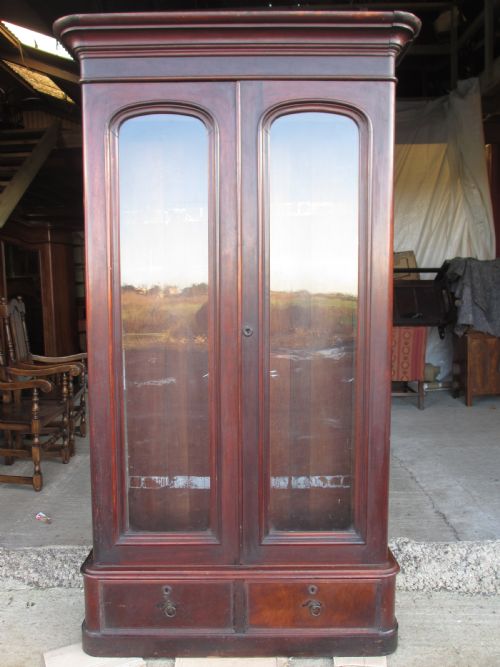
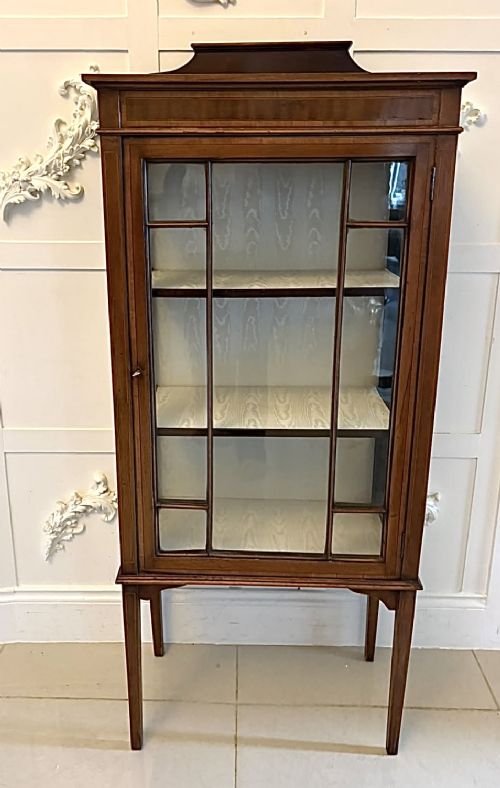
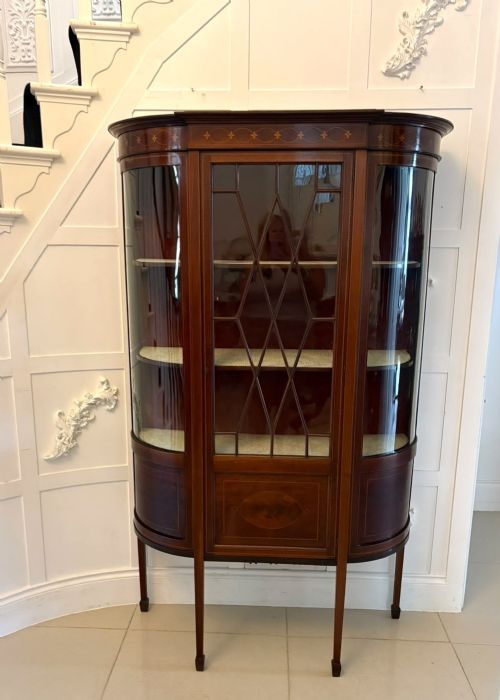
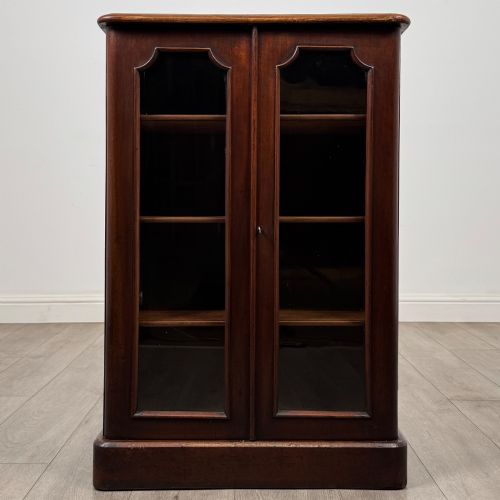
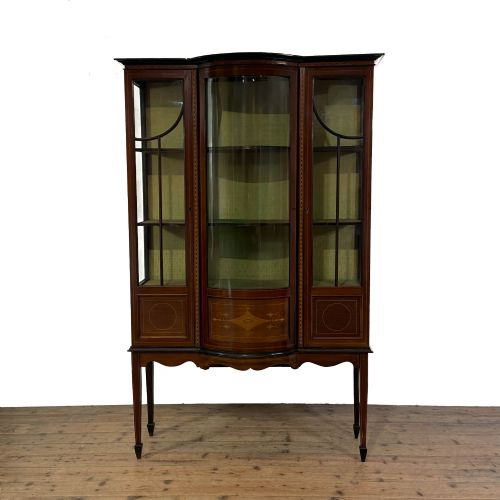
Buyers frequently encounter Edwardian inlaid display cabinets and Victorian mahogany bookcases on this page. These versions reflect the domestic storage needs of their respective eras.
Materials and construction
Cabinet makers utilised solid hardwoods such as mahogany, oak, and walnut for the primary frames. Figured veneers and marquetry inlay added decorative surface patterns to doors and friezes.
Glass panels were secured within wooden framing bars, known as astragals, to create multi-pane doors. Brass hardware, fabric linings, and occasional ormolu mounts completed the interior and exterior detailing.
Wood Glass Fronted Cabinet Retail Price Guide 2026
Typical asking prices for wood glass fronted cabinet among the pieces listed under this phrase on Sellingantiques today, from the lower quarter to the upper quarter. They describe what is for sale here now, not the wider market.
Some Edwardian display cabinets hide secret compartments behind their delicate inlay.
Quality differences
The refinement of the timber selection and the precision of the cabinet joinery dictate the tier of a piece. Finer examples display carefully matched burr veneers and delicate marquetry rather than plain surfaces.
Structural integrity depends on the original construction of the glazed doors and the condition of the timber framing. Subtle variations in hardware quality and hand-cut inlay distinguish standard production from superior work.
Globe Wernicke·Edwards & Roberts
The Wood Glass Fronted Cabinet Glossary
- Astragal
- Moulding bars that divide glass panes within a doorframe. These wooden strips form geometric patterns across the glazed sections.
- Marquetry
- Decorative patterns created by fitting thin pieces of wood veneer onto a structural surface. Craftsmen used contrasting timbers to form floral or geometric motifs.
- Veneer
- A thin layer of figured wood applied over a secondary timber base. This technique allowed makers to utilise expensive grains efficiently.
- Credenza
- A low cabinet typically enclosed by doors, used originally for serving or storage. Victorian and later versions often incorporate glass panels for display.
- Secretaire
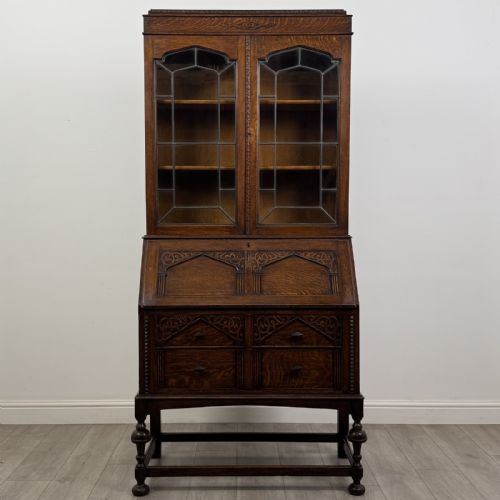
- A cabinet containing a pull-down writing drawer with fitted compartments. The writing surface conceals smaller pigeonholes and drawers within the main carcase.
Wood Glass Fronted Cabinet: Frequently Asked Questions
What is a wood glass fronted cabinet used for?
These cabinets serve primarily to display china, books, and collections while protecting them from dust. The transparent doors allow items to remain visible in living spaces.
Historically, larger versions housed home libraries or dining room porcelain. Smaller corner units and wall cabinets maximised floor space in domestic interiors.
How do I date a glass fronted cabinet?
Dating relies on observing stylistic markers, timber choices, and construction methods characteristic of periods like the Victorian or Edwardian eras. Inlay patterns and hardware styles provide further chronological clues.
Revival styles from the early twentieth century often emulate earlier 19th-century designs. Examining the interior woodwork and jointing helps clarify the actual period of manufacture.
Where should I place a display cabinet?
Position these cabinets away from direct sunlight to prevent timber fading and fabric degradation. Placing them against interior load-bearing walls ensures stability for heavier bookcase variants.
Allow sufficient clearance for doors to open fully, particularly on bow-fronted or breakfront models. Adequate lighting nearby enhances the visibility of items stored behind the glass.
Are sliding glass doors modern?
Sliding glass doors appear on pieces from the early 20th century onwards, including Art Deco and mid-century designs. They offered a space-saving alternative to traditional hinged doors.
Earlier Victorian and Edwardian cabinets generally utilised hinged doors with brass latches or key locks. The track mechanisms on sliding doors evolved as plate glass production advanced.