

Wood Gaming Table
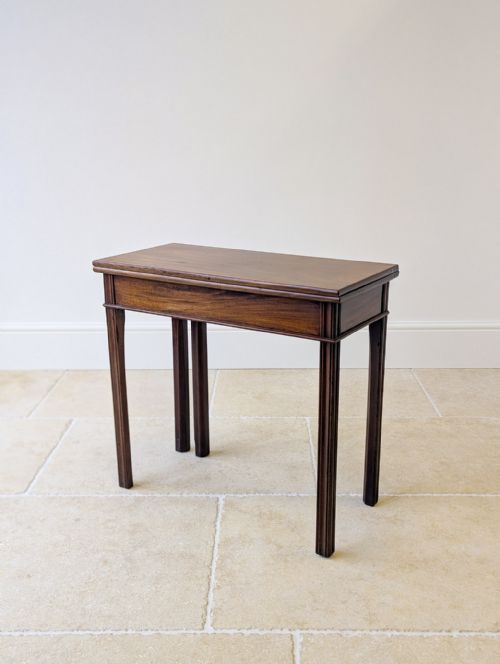
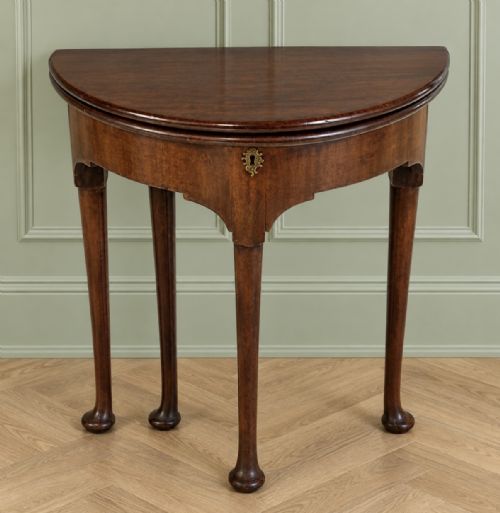
A wood gaming table brings mechanical ingenuity into the parlour, offering folding tops and hidden compartments designed for social play.
Wood Gaming Table
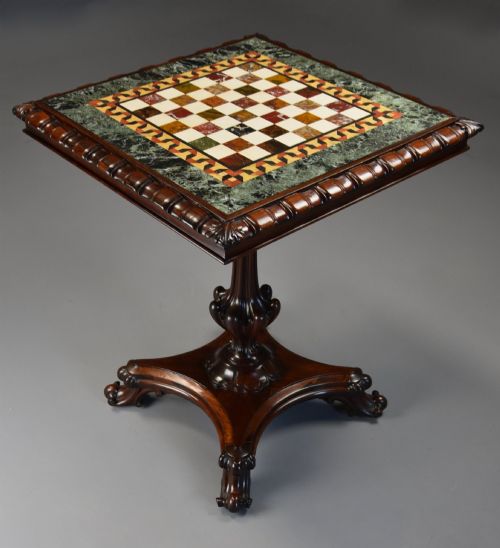
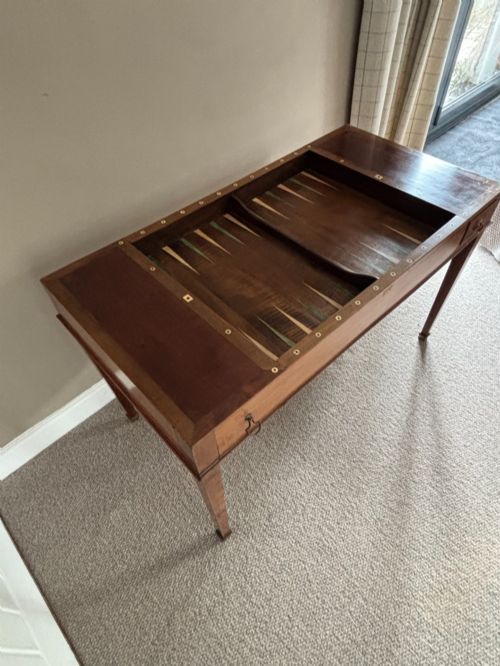
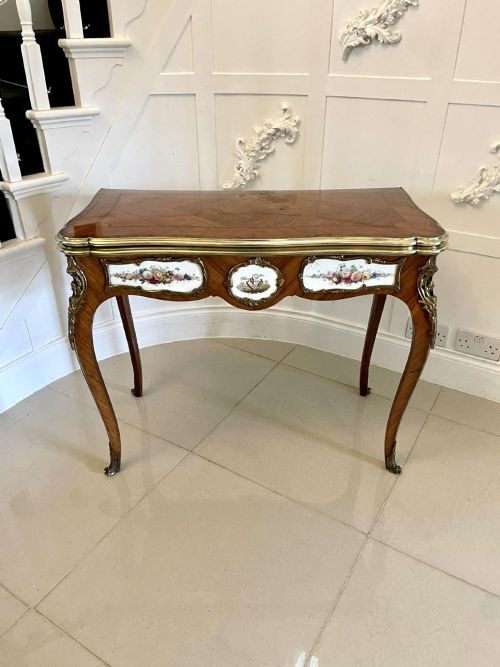
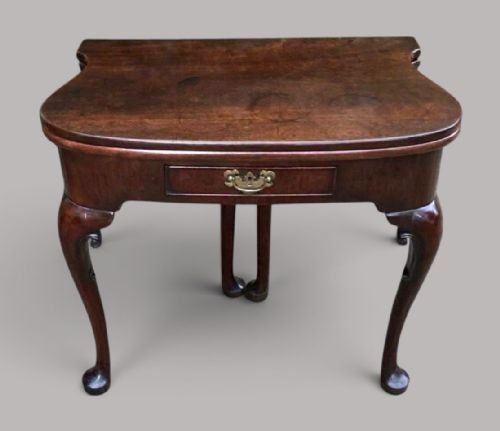
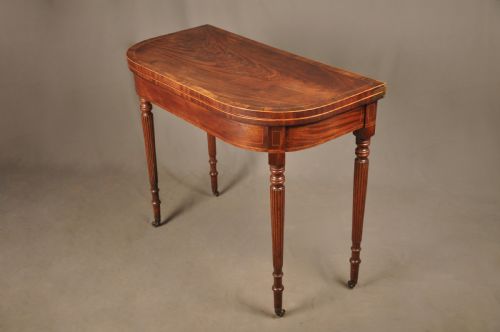
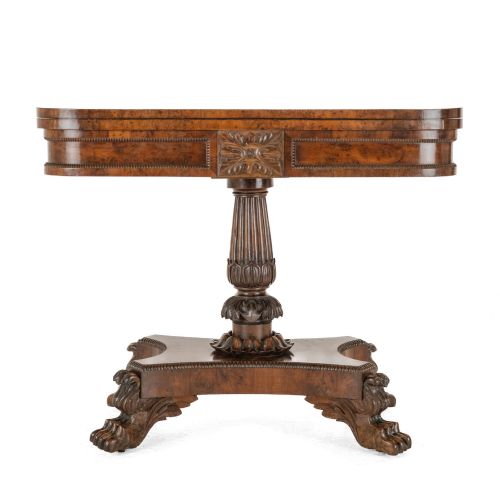
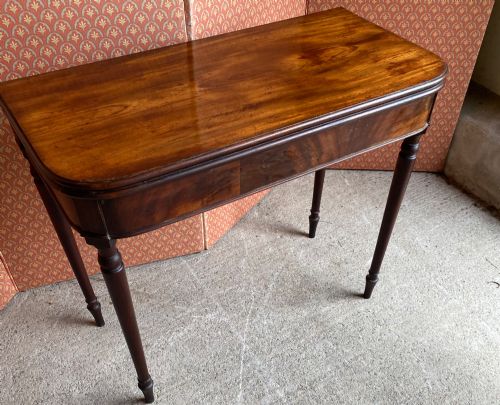
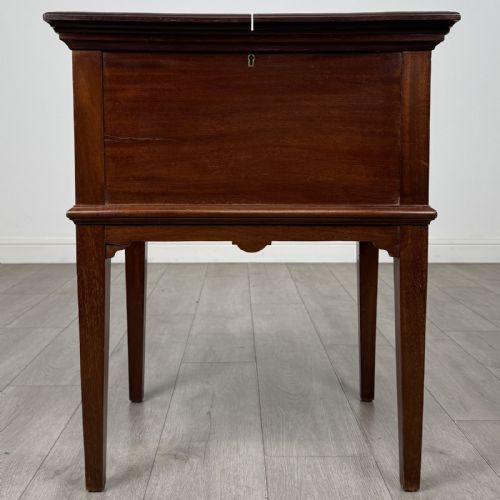
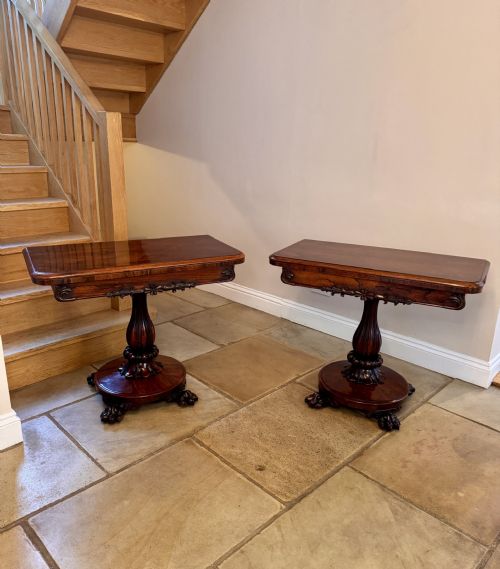
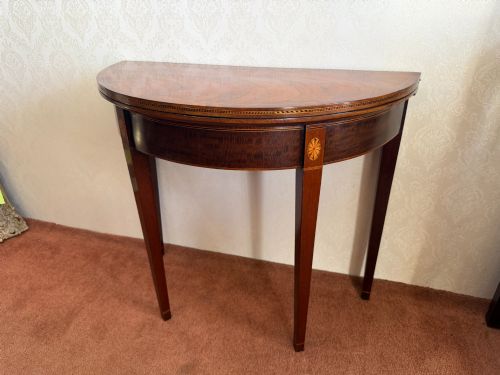
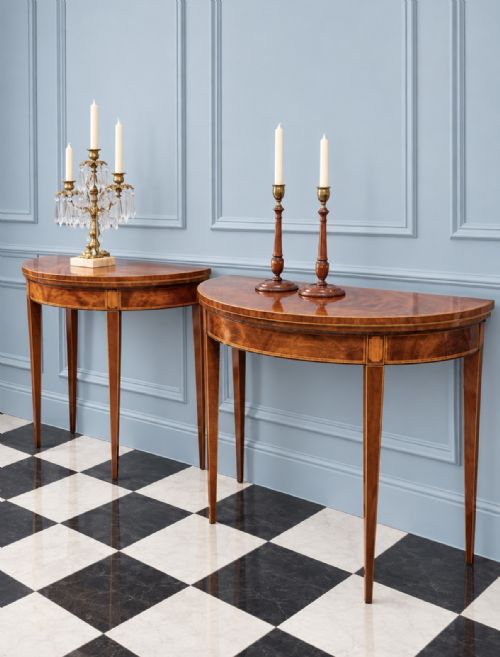
A wood gaming table serves as a dual-purpose furnishing, transforming from a console, side or tea table into a surface configured for cards, chess or roulette. These pieces appear predominantly in 18th-century, Regency and Victorian incarnations, spanning Georgian, William IV and Edwardian periods.
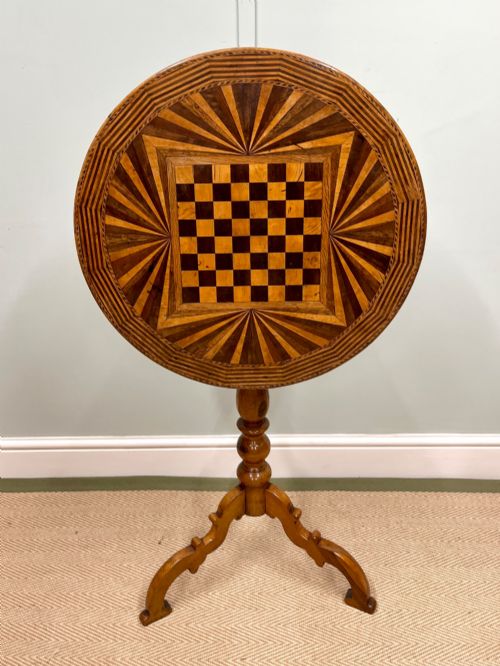
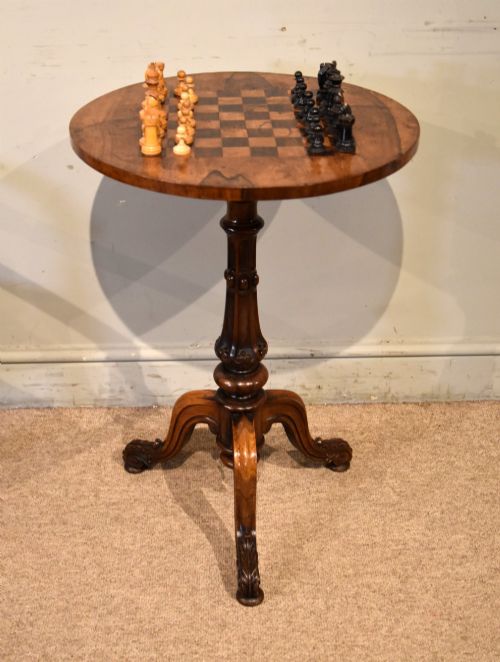
The most common formats on this page are fold-over card tables and games tables, often shaped as demi-lune or serpentine designs with concertina or swing actions to support the opened top. Occasional variants include envelope games tables and tripod tables integrated with inlaid chess boards.
Materials and construction
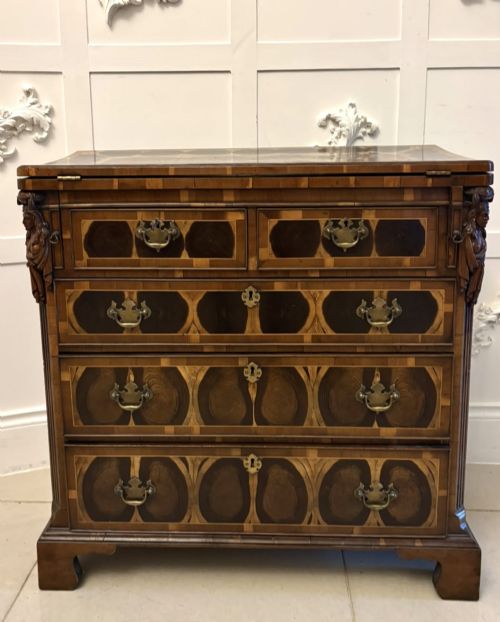
Cabinetmakers utilised solid timbers and veneers of mahogany, rosewood, walnut and burr walnut, accented with contrasting satinwood, boxwood and wood inlay. Brass frequently appears as line inlay or mountings, particularly on Regency examples.
Construction relies on clever joinery to manage folding tops, concertina actions and hidden compartments. Carved details ornament bases, pedestals and friezes on Victorian and Chippendale pieces, while finer Regency and George III tables depend on precise wood inlay and veneering.
Wood Gaming Table Retail Price Guide 2026
Typical asking prices for wood gaming table among the pieces listed under this phrase on Sellingantiques today, from the lower quarter to the upper quarter. They describe what is for sale here now, not the wider market.
Hidden compartments tucked beneath folding tops waited quietly to hold forgotten wagers and stray counters.
Distinctions in quality
Superior quality rests in the choice of timber figures, such as figured mahogany and burr walnut, paired with crispness in carved basket bases and brass inlay. The execution of the folding mechanism, whether concertina action or swing leg, indicates the original maker's ambition.
Proportion and restraint in design separate exceptional examples from standard production. Tables retaining original surfaces, coherent wood grain matching across fold-over leaves, and integrated interior compartments demonstrate superior craftsmanship.
George Bullock·James Shoolbred & Co.
The Wood Gaming Table Glossary
- Demi-lune
- A half-moon shape common in the design of card and console tables, allowing them to sit flush against a wall when closed.
- Concertina action
- An expanding frame mechanism that allows all four legs of a card table to move outward when the top unfolds, providing balanced support.
- Envelope games table
- A square table featuring four triangular flaps that swivel open to reveal a baize-lined playing surface and interior wells.
- Burr walnut
- A highly figured wood veneer taken from the growth excrescences of walnut trees, prized for its swirling grain patterns on Victorian table tops.
- Inlay
- A technique where pieces of contrasting wood, such as boxwood or satinwood, are inserted into recesses within the primary timber to form decorative patterns.
Wood Gaming Table: Frequently Asked Questions
How do fold-over card tables work?
A fold-over card table uses a hinged top that opens outward to double the surface area for play. The swinging or expanding frame supports the open flap, frequently revealing a lined interior.
Many incorporate concealed spaces beneath the surface for storing cards and counters.
How do I identify a Regency gaming table?
Regency gaming tables typically feature dark exotic timbers like rosewood contrasted with precise brass inlay or brass mounts. They often employ pedestal bases with carved or reeded supports.
Their silhouette draws heavily on classical architectural motifs.
Where were these tables used in a home?
These pieces functioned primarily as console or side tables against parlour walls when not in use. During evening gatherings, they moved into the centre of the room for card games and social entertainment.
Their dual utility made them essential furnishings for 18th and 19th-century reception rooms.