

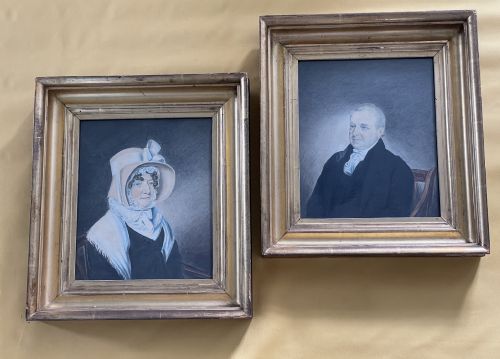
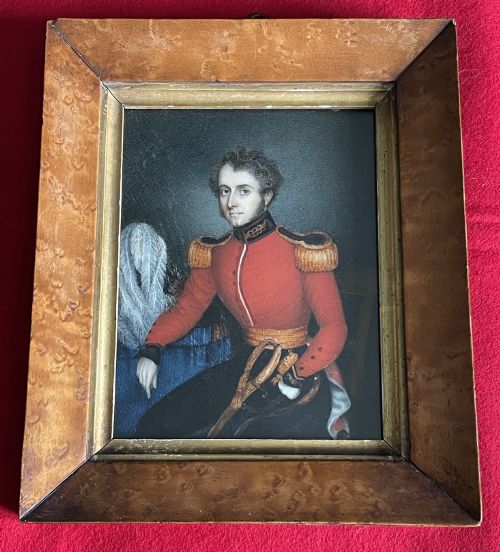


Wood Framed Miniature
Wood framed miniature pieces offer intimate portraits, delicate silhouettes, and small-scale paintings preserved within timber surrounds from the seventeenth to the early twentieth century.
Wood Framed Miniature
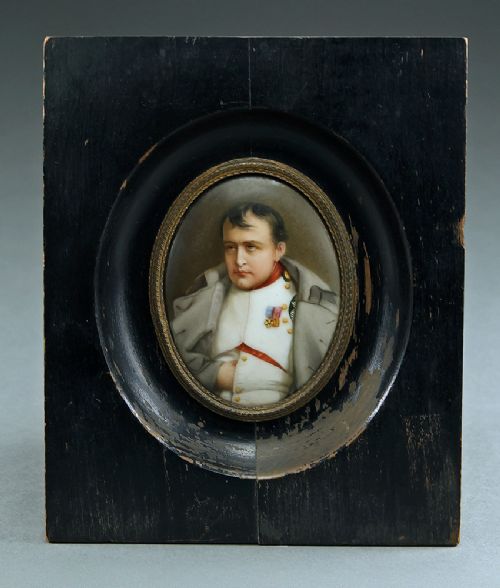
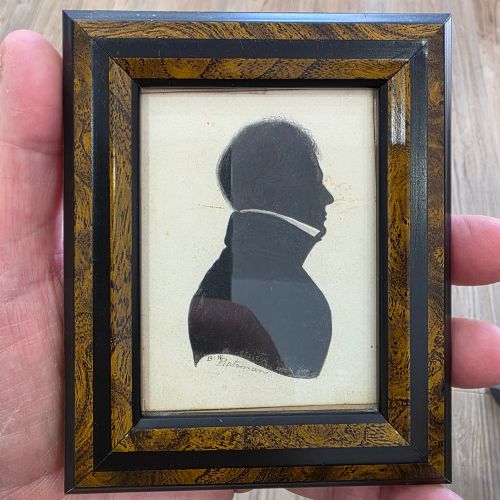
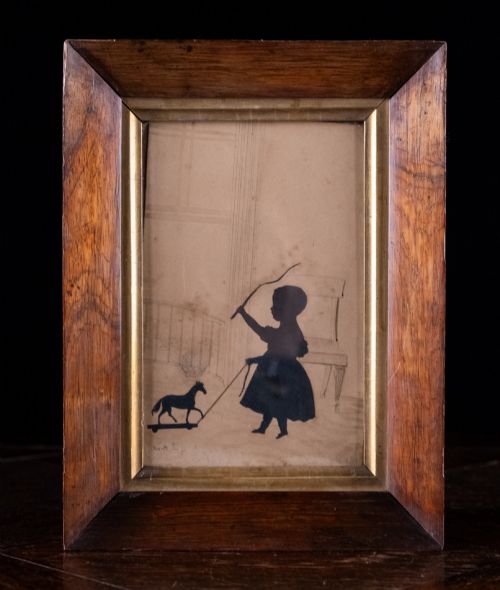
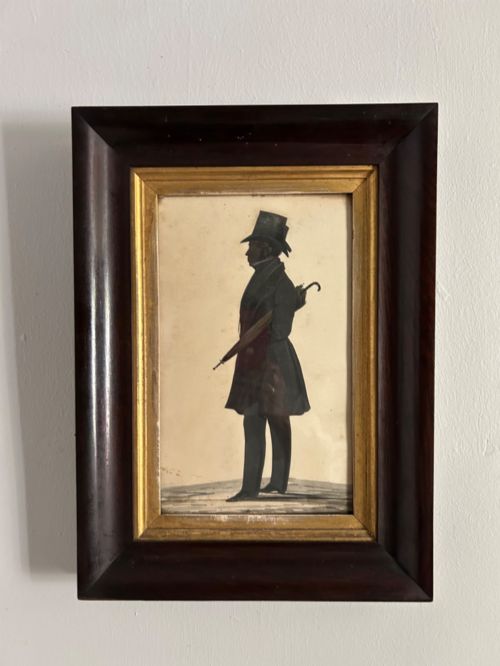
A wood framed miniature brings together small-scale portraiture, silhouette work, and painted studies housed within timber surrounds spanning the seventeenth century through to the Edwardian era. Buyers seeking this phrase encounter framed silhouettes of gentlemen and children, watercolor profile studies, oil paintings on copper or panel, and decorative still life scenes.
The selections span Georgian delicacy, Regency restraint, and Victorian sentimentality, alongside American folk art and Mughal gouache pieces. Oval frames, rosewood borders, and Hogarth moulding profiles dominate the physical format of the works on offer.
Materials and construction methods
The physical objects rely on wood for their protective surrounds, utilising rosewood, limewood, and giltwood mouldings alongside glass panes to shield the delicate contents. Paper, card, copper, and ivory serve as the primary grounds for the painted or drawn imagery.
Techniques range from finely detailed watercolor and plumbago rendering to cut paper silhouettes enhanced with ink, gouache painting, and pressed glass paste cameos. Brass fittings and gold leaf accents frequently complete the assembly of these small-scale works.
One recorded miniature depicts King Henry VIII wearing the badge of the Order of the Garter.
Evaluating quality and execution
Quality rests upon the precision of the draughtsmanship and the subtlety of the medium, whether dealing with the crisp cutting of a silhouette or the fine brushwork of a watercolor portrait. Superior examples display clear character definition and careful handling by named artists or recognised studios.
The relationship between the artwork and its timber frame dictates overall integrity, with period-matching wood surrounds holding greater authority than later replacements. The preservation of the original glass, backing papers, and historical annotations further elevates the standing of an individual piece.
Bateman·Augustin Edouart·Hubard Gallery·John Taylor·James Tassie·F. Flor·Edward Smyth·Skeolan
The Wood Framed Miniature Glossary
- Silhouette
- A portrait profile filled in with a solid dark colour, typically cut from paper or painted on card. These items often capture the likeness of sitters from the eighteenth and nineteenth centuries.
- Plumbago
- A drawing executed in graphite, taking its name from the Latin word for lead ore. These monochromatic works offer exceptional linear detail.
- Gouache
- An opaque water-based paint medium consisting of pigment mixed with a water-binding agent and added inert material. It provides rich, flat areas of colour in miniature painting.
- Giltwood
- Timber carved and coated with a thin layer of gold leaf or gold paint. This finish frequently frames fine Regency and Victorian portraits.
- Cameo
- A method of carving or moulding a subject in relief against a contrasting background. Pressed glass paste examples appear within Georgian frames.
Wood Framed Miniature: Frequently Asked Questions
What periods do wood framed miniature pieces cover?
The items span from the seventeenth century through the Georgian, Regency, and Victorian eras up to the early twentieth century. This covers periods of distinct artistic shift in portraiture and framing styles.
Buyers encounter everything from early oil portraits on copper to later Victorian silhouettes and Edwardian photographic prints set within period timber surrounds.
How were these miniature works originally displayed?
Many were hung in small groupings on domestic walls, placed on mantelpieces, or kept as personal keepsakes in private rooms. Their modest scale allowed owners to assemble gallery walls of family members.
Several pieces retain rear annotations or paper labels detailing the history of the subjects, pointing to a long domestic history of preservation.
Are the frames original to the miniature artworks?
A significant portion of the pieces retain their period rosewood, mahogany, or giltwood surrounds, matching the era of the artwork inside. Hogarth mouldings and oval wooden frames are typical.
Examining the backing materials, glass type, and joinery helps determine whether the frame and the artwork have shared a long history together.
How do I care for antique miniature paintings?
Protect the works from direct sunlight to prevent the fading of delicate watercolors, gouache, and paper silhouettes. Stable room temperatures keep the wood frames and backing papers secure.
Avoid hanging them in damp areas, as moisture can damage both the organic painting grounds and the historic timber surrounds.