




Wood Framed Floral Art
Wood framed floral art brings together botanical subjects and period timber surrounds, turning natural studies into lasting wall pieces.
Wood Framed Floral Art
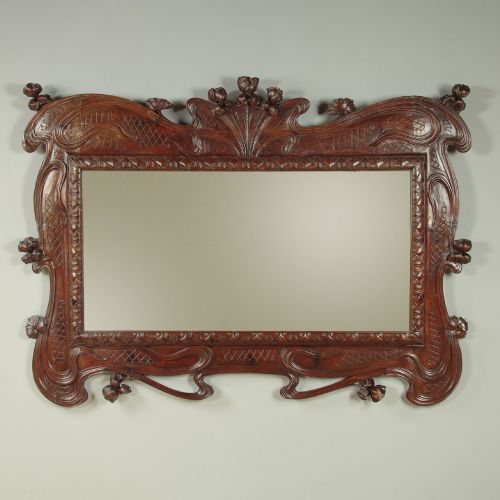
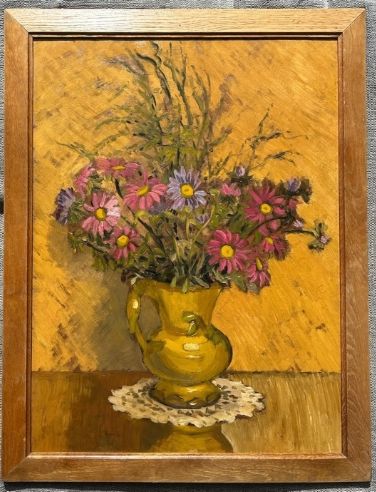
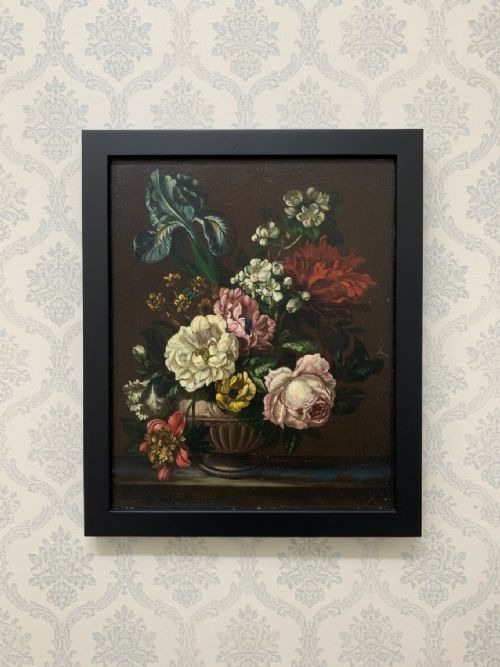
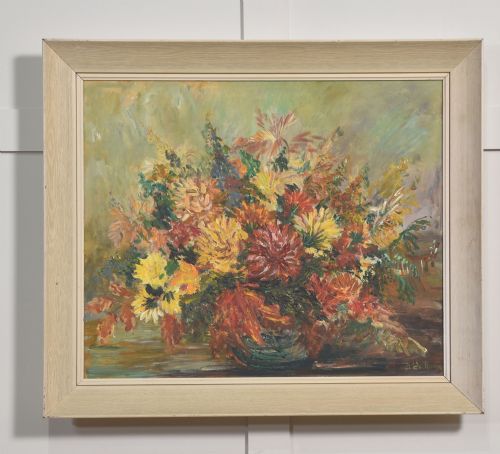
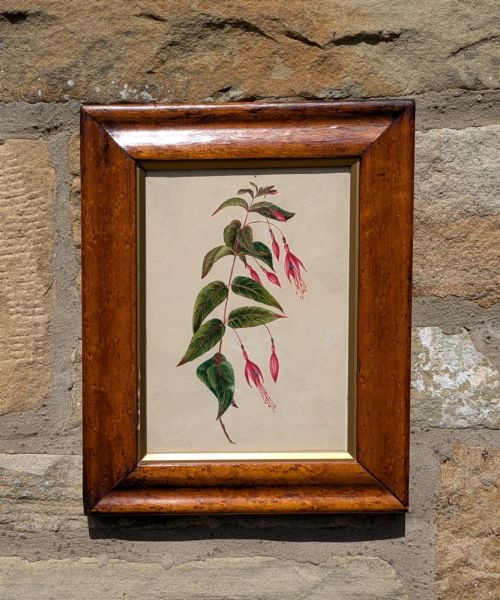
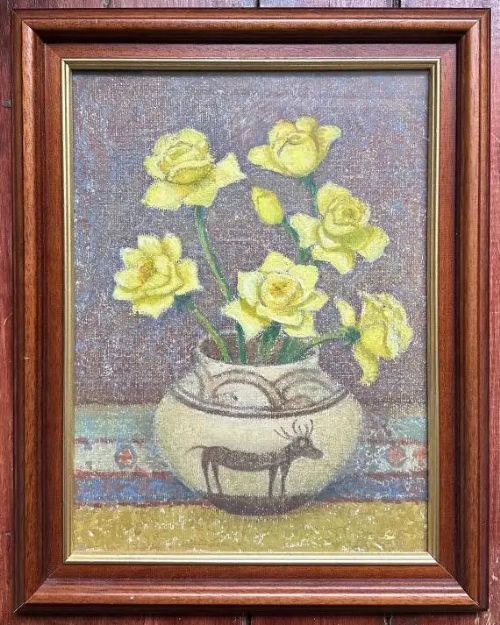
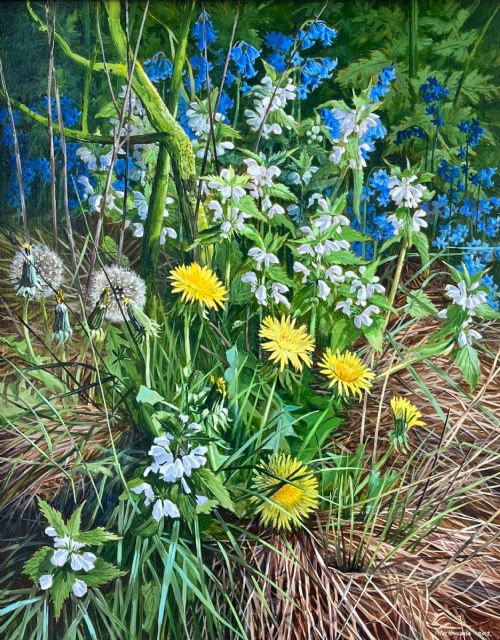
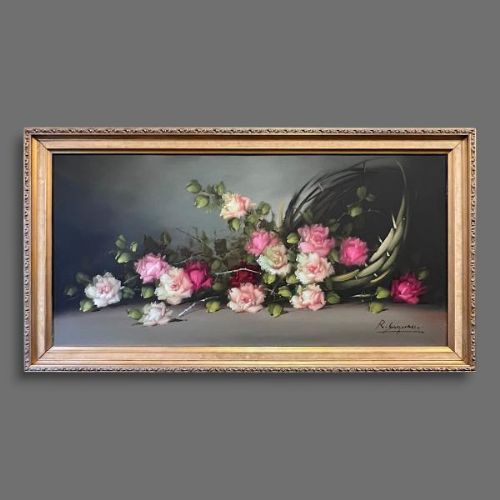
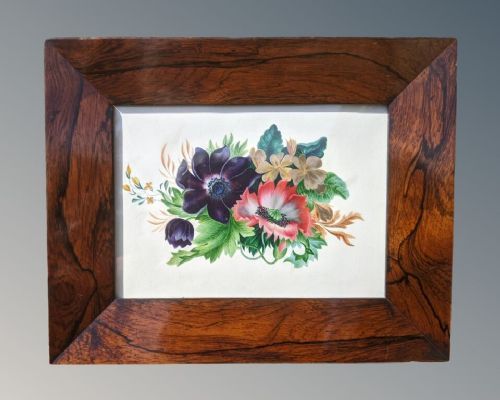
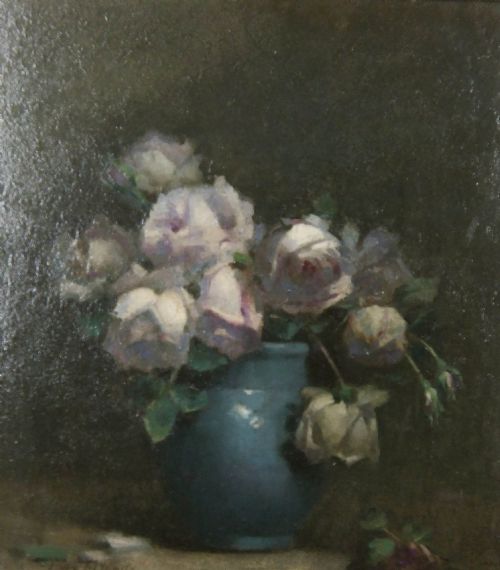
Wood framed floral art encompasses paintings, watercolours, engravings, needlework pictures and mirrors featuring botanical themes housed within timber or gilt surrounds. These pieces range from nineteenth-century botanical watercolours and engravings to mid-century oil paintings of floral still lifes.
The objects span multiple periods, drawing on nineteenth-century craftsmanship alongside twentieth-century movements including Art Nouveau, British Impressionism and Mid-Century Modern. Buyers encounter botanical engravings, needlework pictures and oil paintings on canvas, board or panel set within wooden or gesso frames.
The selection reflects diverse origins, featuring Dutch school works alongside British and American pieces. Formats vary from small miniature still life paintings and oval beech wood wall mirrors to large landscape and floral oil paintings.
Materials and construction
Artists painted on prepared canvas, wood panel, board and paper using oil paint, tempera and watercolour, frequently recording botanical specimens and still life arrangements. Engravings captured plant forms in fine detail, while needlework pictures utilised textiles to build floral imagery.
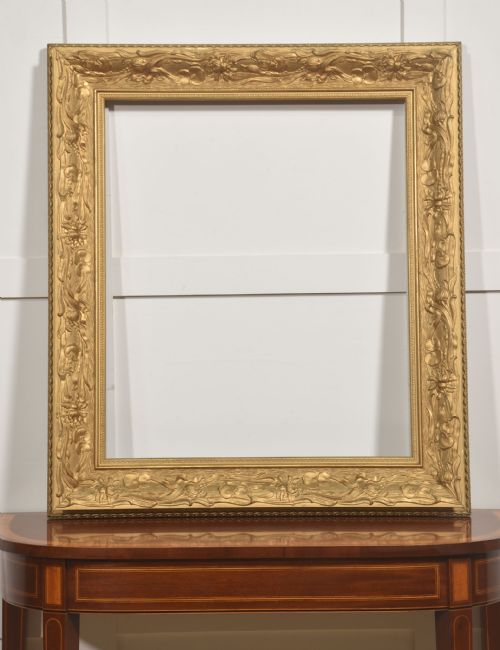
Makers housed these works in frames constructed from wood, beech and carved hardwood, often applying gesso and gold leaf to create gilded Art Nouveau surrounds. Glass protected fragile watercolours, engravings and needlework from environmental damage.
Periods represented span from the eighteenth century through the nineteenth century and into the mid-twentieth century.
Assessing quality and execution
Quality rests upon the skill of the artist or engraver in capturing botanical accuracy and light, distinguishing masterwork paintings from simpler decorative watercolours. The handling of medium, whether pigment on canvas or fine lines in an engraving, dictates the visual depth of the piece.
The relationship between the artwork and its frame determines structural integrity, where period-matching timber or gilded gesso surrounds complement the visual weight of the central image. Original framing materials and preservation of the paper, canvas or panel surface elevate the piece.
Kenneth Cozens·Emma Fordyce MacRae·William Thomas Wood·James Tower·Thomas Bromley Blacklock·Stuart Armfield·Herbert Davis Richter·Kershaw Schofield
The Wood Framed Floral Art Glossary
- Engraving
- A printmaking technique where an artist cuts lines into a metal plate to hold ink. These plates produce detailed botanical prints on paper.
- Gesso
- A plaster mixture applied to wood frames as a base for gilding. It allows makers to carve intricate decorative motifs before applying gold leaf.
- Tempura
- A permanent, fast-drying painting medium consisting of coloured pigment mixed with a water-soluble binder. It creates matte surfaces on board or panel.
- Still life
- An artwork depicting inanimate subject matter, typically everyday objects or floral arrangements. These compositions focus on light, colour and form.
Wood Framed Floral Art: Frequently Asked Questions
How do I date a frame?
Frame dating relies upon timber choice, construction joints and decorative mediums like gesso or gold leaf. Nineteenth-century examples often feature heavier mouldings while mid-century pieces lean towards simpler profiles.
Examining the reverse reveals joinery techniques and backing materials that correspond with specific production eras.
Are these works original?
The selection includes original oil paintings, watercolours and tempera works alongside period engravings published in historical botanical works. Signatures, brushwork and paper texture help distinguish hand-produced art from later reproductions.
Detailed listings note the specific medium and whether a piece is a unique painted study or a period print.
How should I hang these pieces?
Wall placement requires stable indoor environments away from direct sunlight and excessive moisture to protect paper, canvas and wood frames. Secure fixings matching the weight of the timber surround ensure safe wall mounting.
Grouping pieces with similar wooden tones or botanical subjects creates a cohesive display.
What maintenance do they need?
General care involves dusting wooden frames with a dry cloth and avoiding liquid cleaners on gilded or gesso surfaces. Glass-fronted watercolours and engravings benefit from protection against ultraviolet light.
Checking backing boards and fixings periodically maintains the structural safety of the framed artwork.