
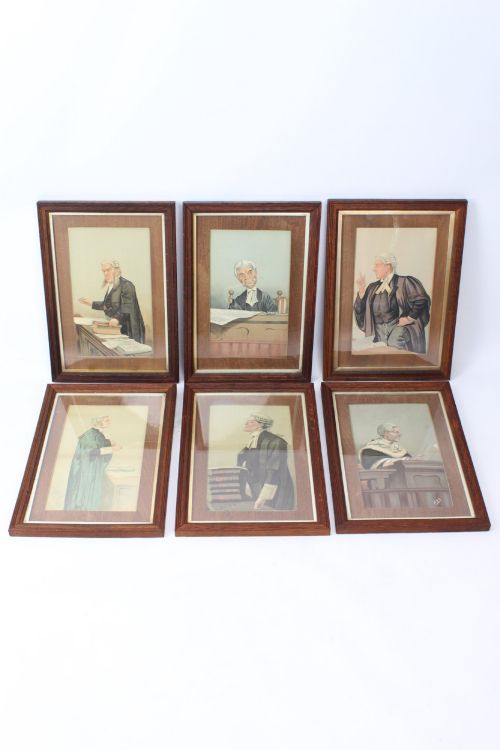
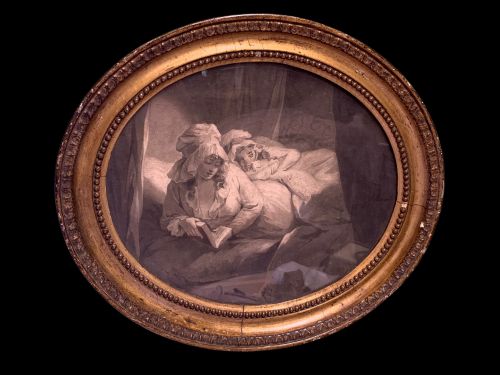
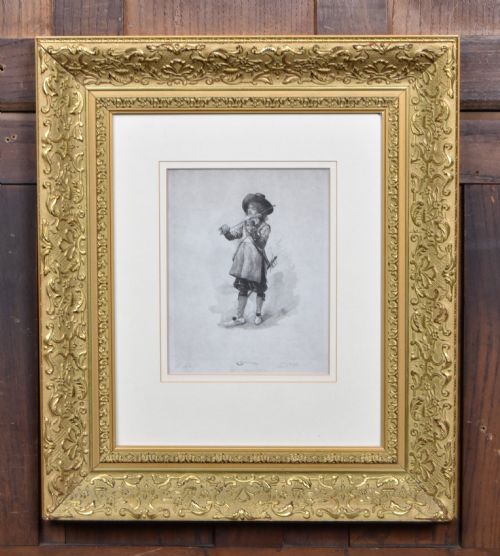
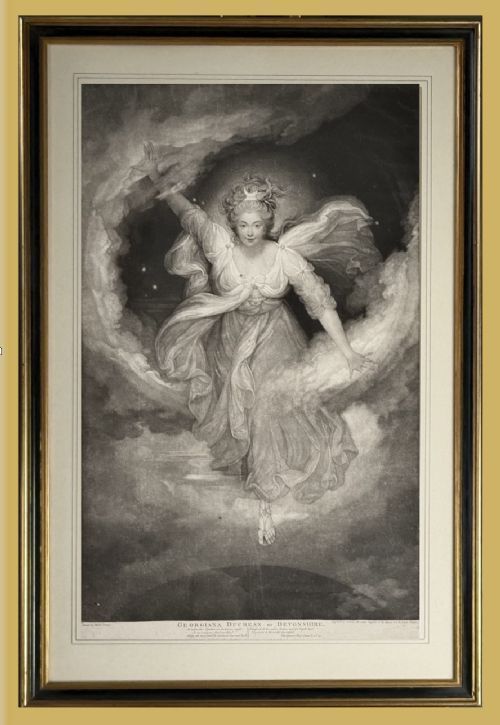
Wood Framed Art Print
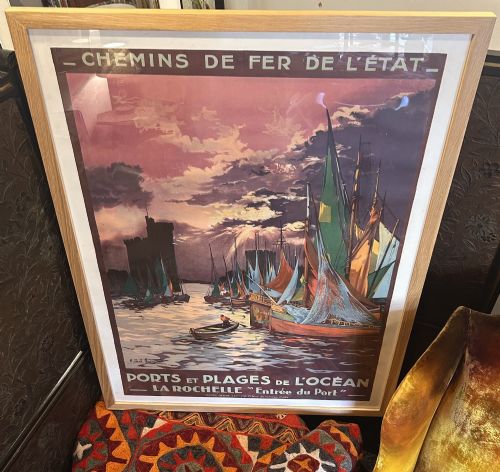
These wood framed art print pieces bring centuries of historic portraits, botanical watercolours and railway posters directly to your walls.
Wood Framed Art Print
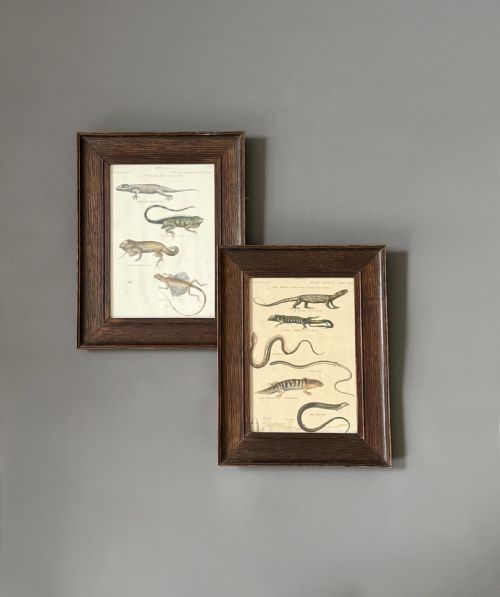
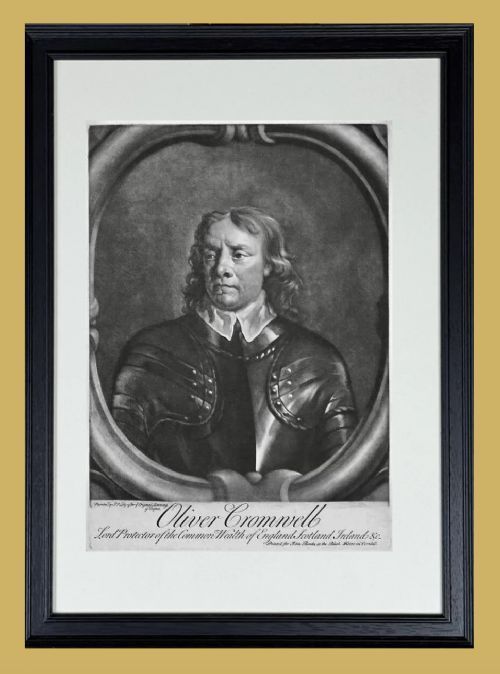
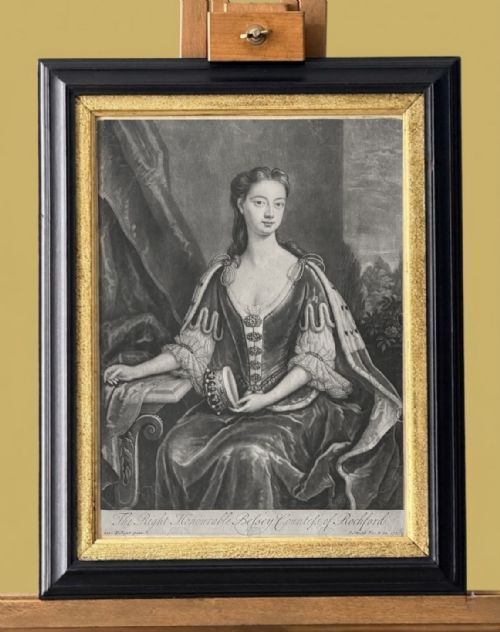
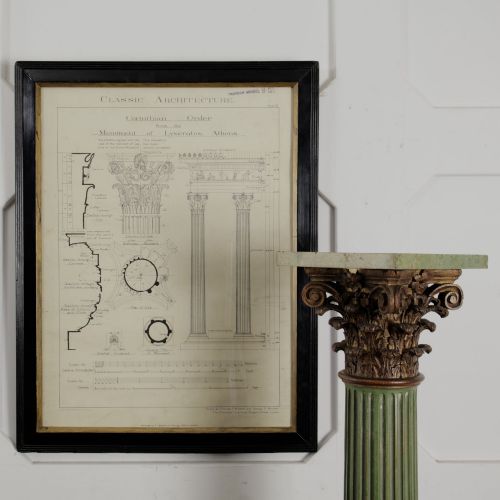
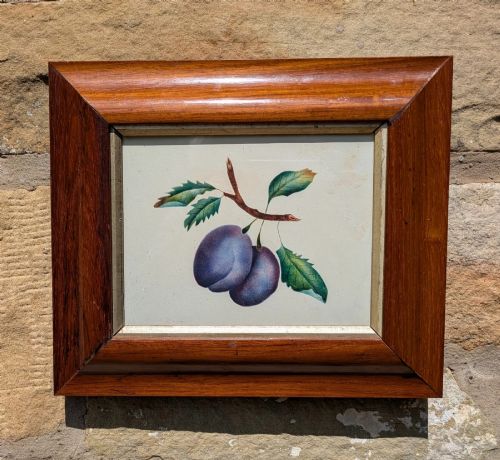
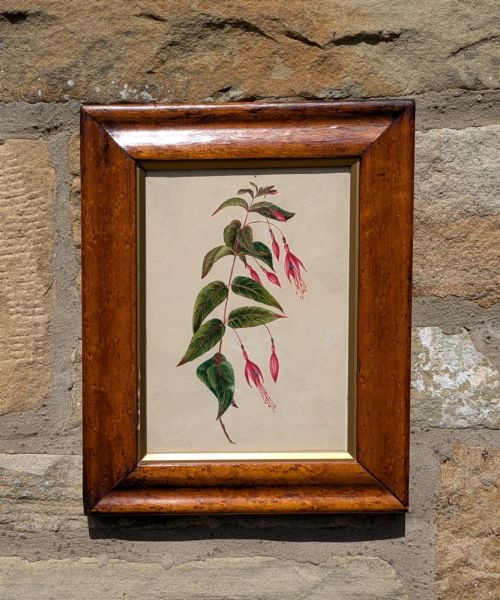
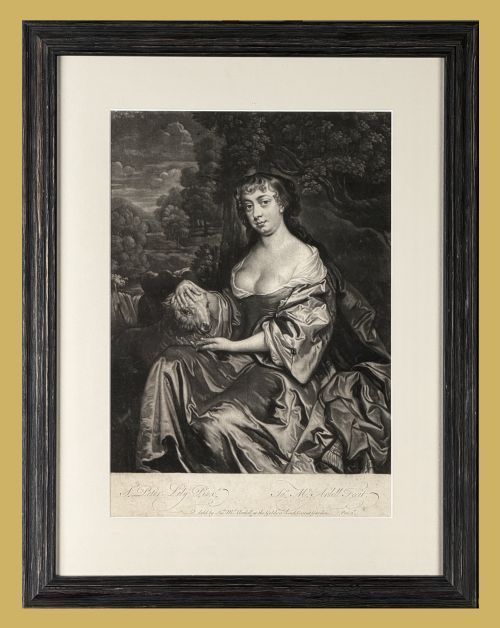
When you search for wood framed art print, you are looking at historic works presented in period surrounds spanning from the seventeenth century through to the early twentieth century. The selections available here range from eighteenth century mezzotints and engravings to nineteenth century botanical watercolours and horse racing aquatints.
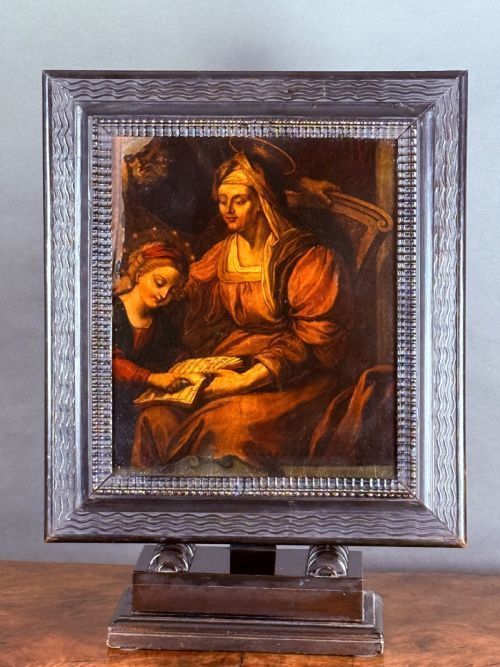
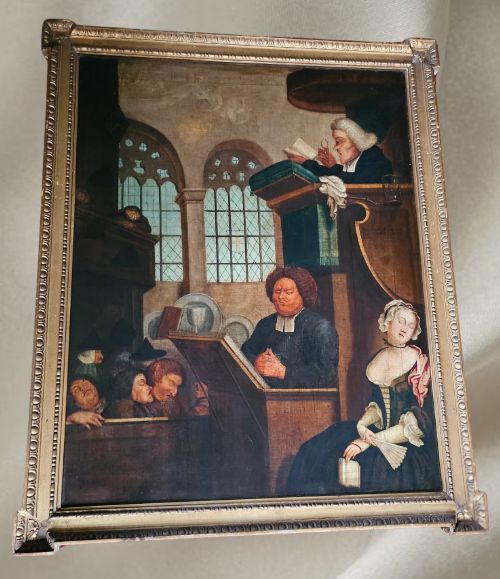
You are most likely to meet pieces housed in rosewood or gilt wood frames protecting paper, canvas, or glass surfaces. These items include framed artwork, wall art, paintings, and reverse glass pieces that preserve visual culture across distinct historical periods.
The objects connect modern spaces with Georgian, Victorian, and Edwardian aesthetic standards through preserved imagery like botanical studies, religious portraits, and classical landscapes.
How they were made
Makers utilised wood, gilt, and gold leaf to construct protective surrounds for fragile paper and canvas works. These frames often complement engravings, mezzotints, etchings, and chromolithographs produced with ink.
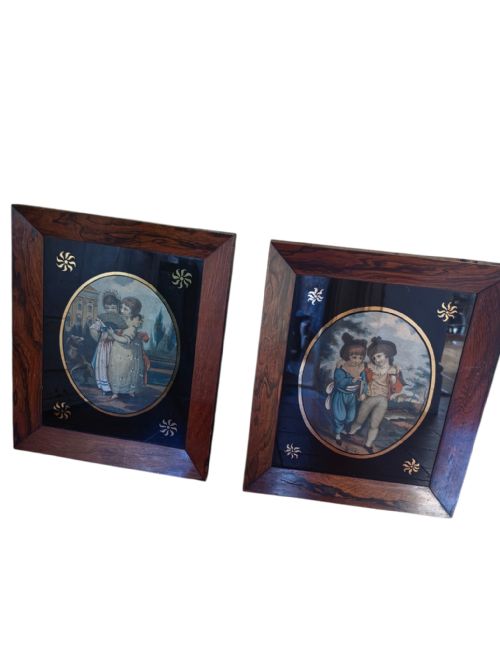
Specialised techniques include reverse glass painting and hand colouring applied to etchings and engravings. Vellum and canvas serve as alternative surfaces supporting oil paintings and intricate prints.
Materials documented across the listings include glass, paper, wood, ink, gold leaf, gilt, canvas, and gilt wood.
What varies in quality
The distinction between standard examples and superior pieces rests on the precision of the original printing technique and the integrity of the frame. Early mezzotints and detailed engravings by known artists demonstrate finer line work and tonal depth.
The preservation of the glass and the original condition of the timber moulding influence the overall character of the piece. Matching sets, such as groups of horse racing aquatints or botanical watercolours, exhibit greater uniformity in presentation.
John Bowles·John Smith·Samuel Dixon·Valentine Green·James MacArdell·Étienne Baudet·Luke Sullivan·Horatio Henry Couldrey
The Wood Framed Art Print Glossary
- Mezzotint
- A printmaking process of the intaglio family where the plate is roughened to achieve dark tones and rich contrasts. This technique was frequently utilised for historic portraiture.
- Engraving
- A method of cutting design into a metal plate to hold ink for printing onto paper. These sharp-lined works record fine details in historical scenes and botanical studies.
- Chromolithography
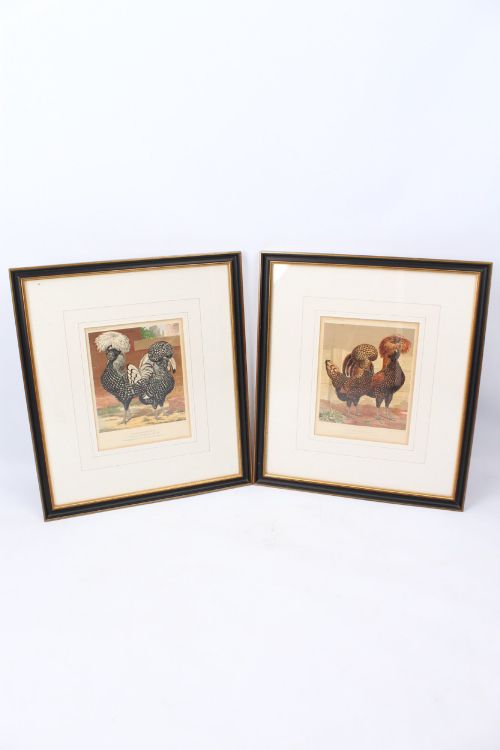
- A colour lithographic printing process used to produce multi-coloured images. This method brought vibrant hues to nineteenth century animal and genre subjects.
- Aquatint
- A variant of etching that produces broad areas of tonal value resembling watercolour washes. It was often employed in sporting prints and landscape series.
- Vellum
- A fine parchment made from prepared calfskin used as a durable writing and drawing surface. Etchings pulled on this material offer a distinct tactile quality.
Wood Framed Art Print: Frequently Asked Questions
What is a wood framed art print?
These items are historic printed works, engravings, or watercolours enclosed in timber mouldings. They preserve visual records from the seventeenth to the twentieth century.
The category encompasses everything from botanical watercolours in rosewood frames to large nineteenth century sporting engravings.
How do I care for these framed prints?
Keep the pieces away from direct sunlight to protect the paper, ink, and watercolours from fading. Maintain stable indoor humidity levels to safeguard the timber frames and glass elements.
Dust the wood gently with a dry cloth and avoid using liquid cleaners directly on the antique frame surfaces.
Are the frames original to the pieces?
Many listings specify period frames that match the era of the engraving or watercolour inside. Original surrounds include rosewood and gilt wood configurations.
Checking the individual description confirms whether the timber moulding dates to the same period as the artwork it holds.