




Wood Fire Screen
A wood fire screen shields a room from the fierce glare of an open hearth while adding architectural presence to the fireside.
Wood Fire Screen
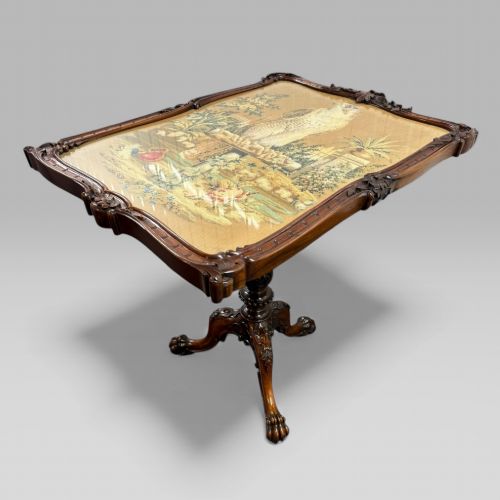
When you search for a wood fire screen, you encounter a variety of forms designed to regulate radiant heat and block drafts in period parlours. The listings show everything from fixed cheval frames to compact occasional tables that transform when needed.
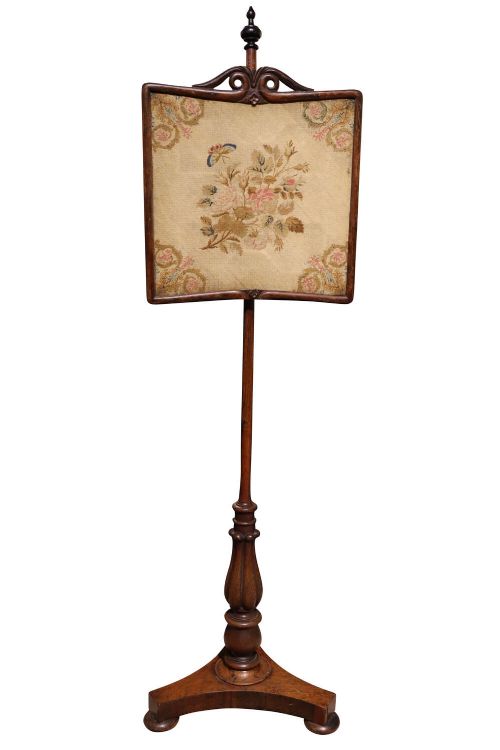
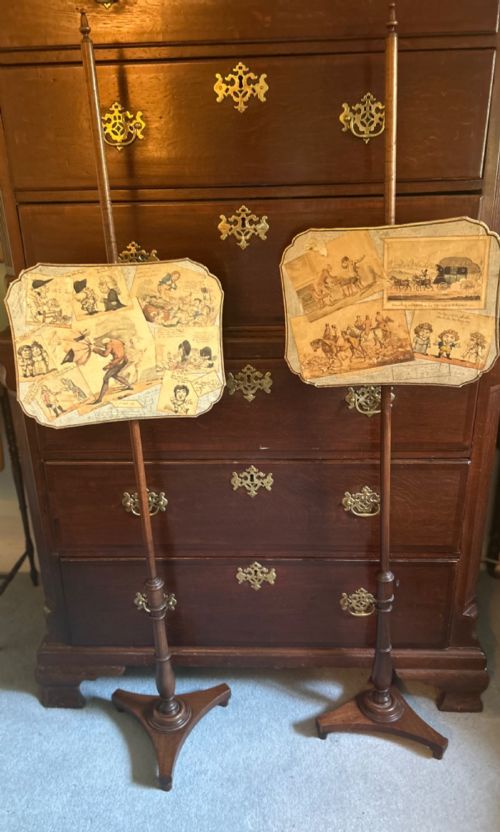
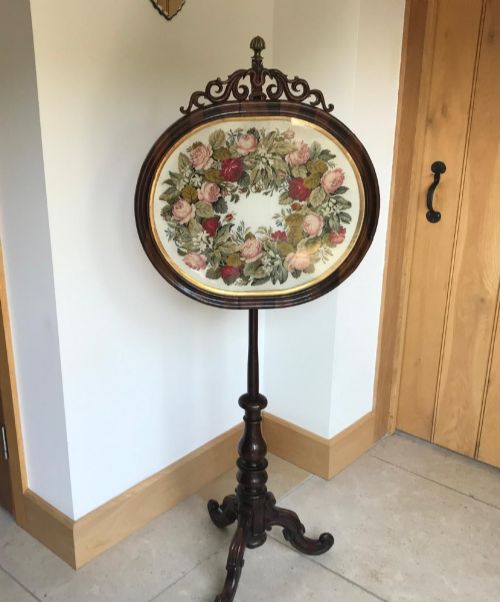
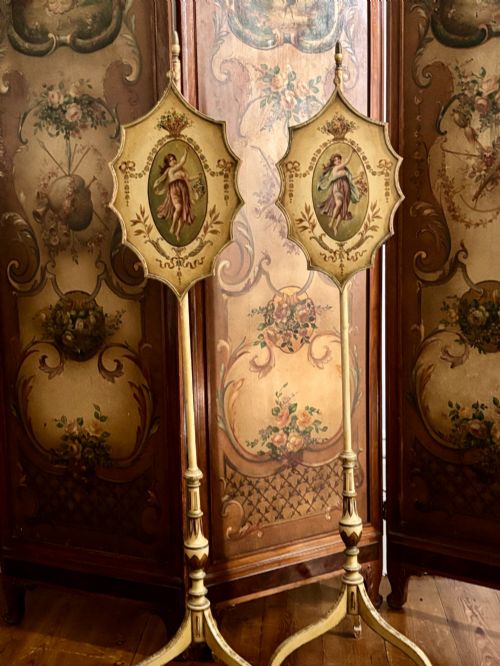
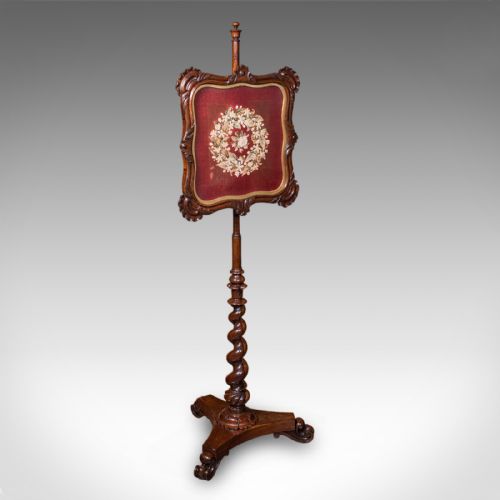
Pole screens dominate the selection, featuring adjustable needlework or tapestry panels mounted on slender wooden uprights with tripod bases. These allow a person to slide the face screen up or down the shaft depending on proximity to the grate.
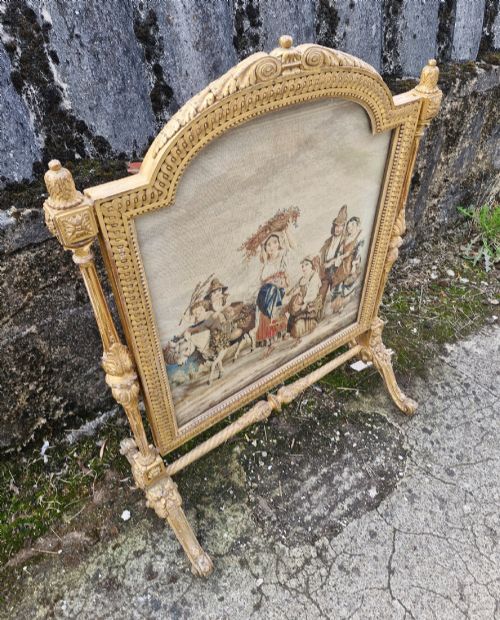
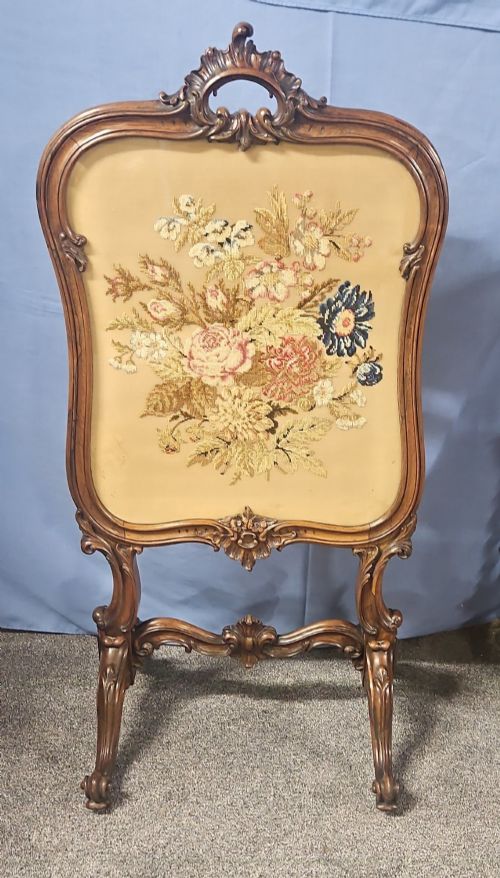
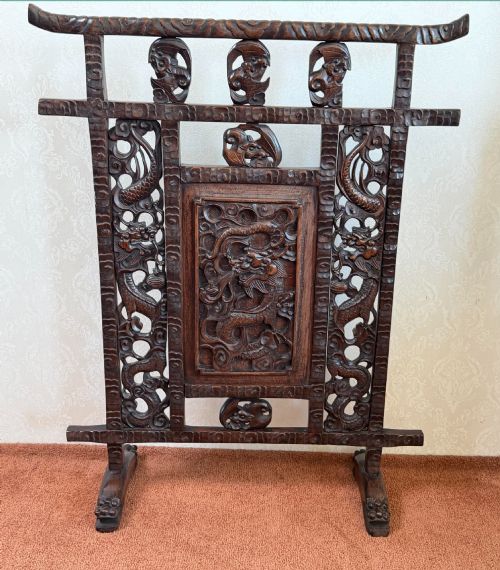
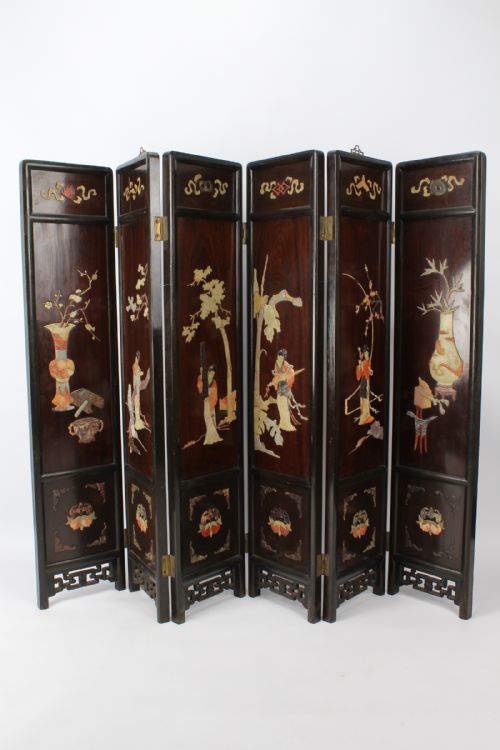
Larger standing screens utilise carved timber frames enclosing embroidered silk, embossed brass, or painted glass panels. These substantial pieces sit directly on the floor to intercept warmth before it reaches the seating area.
Materials and construction
Cabinetmakers built these frames from dense hardwoods including mahogany, rosewood, walnut, oak, and goncalo alves, often turning the central poles on a lathe and carving the tripod feet with acanthus or spade details. Gilding appears on grander giltwood and gilt framed versions intended for formal reception rooms.
The decorative panels required collaborative craftsmanship, combining the structural woodwork with hand-stitched needlepoint, woolwork tapestries, or silk embroideries. Some incorporate functional mechanics such as tilt top mechanisms or brass thumb screws for adjusting the height of the screen face.
Listings demonstrate a strong preference for rosewood and mahogany frames paired with hand-woven wool needlework panels across the nineteenth century.
Judging the work
Quality rests in the crispness of the timber carving and the stability of the base construction. A superior pole screen has a weighty, well-balanced tripod foot that supports the central shaft without wobble, alongside finely threaded brass adjustment screws.
The artistry of the panel work dictates the standing of the piece. Finely executed gros point needlework, intricate silk embroidery, or chased metalwork indicate a higher grade of commission than simpler printed textiles or plain wood panels.
Gillows
The Wood Fire Screen Glossary
- Pole screen
- A freestanding screen with an adjustable panel sliding vertically on a turned wooden pillar. This design allowed occupants to shield their faces from the intense heat of an open coal fire.
- Needlework
- Hand-stitched textile art using wool or silk yarn on a canvas ground. Common motifs include pastoral scenes, floral arrangements, and heraldic coats of arms.
- Cheval screen
- A standing frame supported by two vertical pillars on feet, allowing the central panel to swing or remain fixed. They offer a wider protective barrier than standard pole screens.
- Tripod base
- A three-legged support structure commonly found beneath the central shaft of pole screens. These often terminate in pad feet, spade feet, or carved scrollwork.
- Tilt top
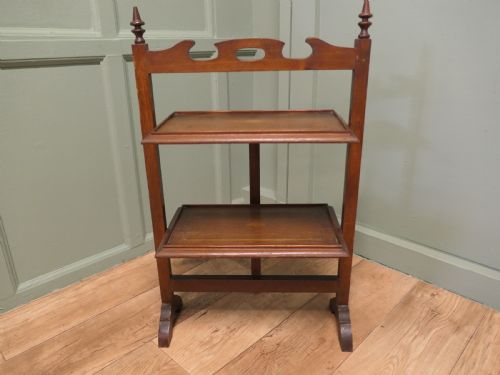
- A tabletop mechanism allowing the surface to pivot to a vertical position when not in use. Certain metamorphic tables incorporate this feature alongside a hidden screen.
Wood Fire Screen: Frequently Asked Questions
How did people use a pole screen?
Occupants placed them between their seating chairs and the fireplace to protect their faces from excessive heat and to prevent cosmetics from melting.
The adjustable panel slid up and down the pole to find the exact height needed for comfort.
What is the difference between a pole screen and a cheval screen?
A pole screen uses a single vertical shaft with a sliding panel mounted on a tripod base.
A cheval screen rests on two side pillars with a wider frame that stays at a fixed height.
Can these screens still be used near a working fireplace?
Historic timber and delicate textiles require careful placement to avoid damage from excessive heat or stray embers.
Most modern homes use them as decorative room dividers or background pieces rather than active heat shields.