


Wood Cheval Glass
A wood cheval glass provides a full-length reflection in a freestanding frame that tilts to suit the viewer.
Wood Cheval Glass
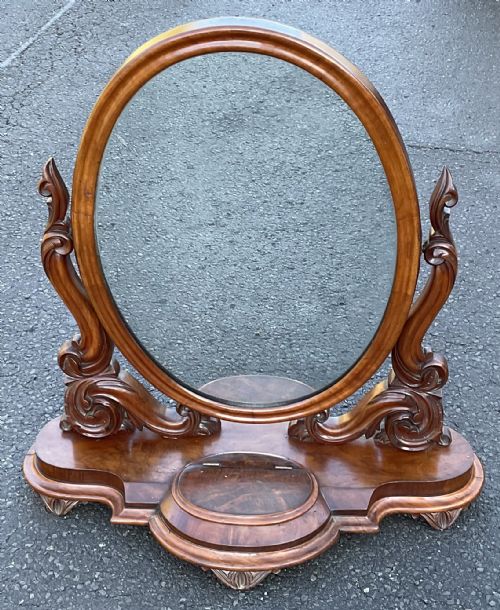
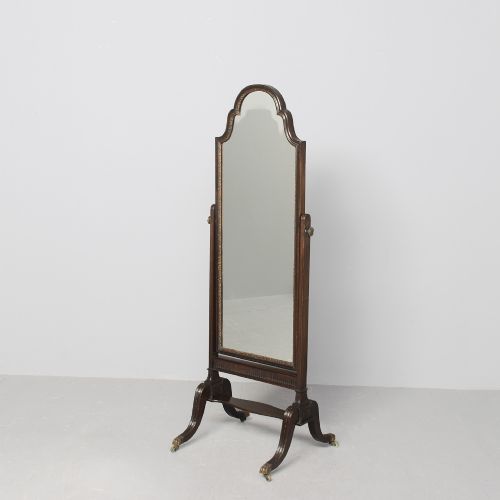
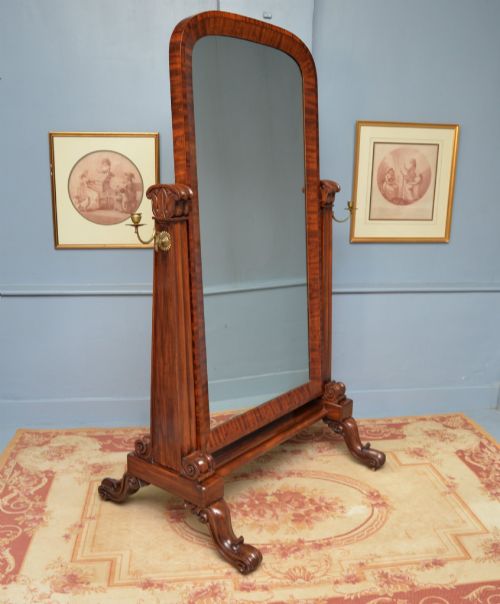
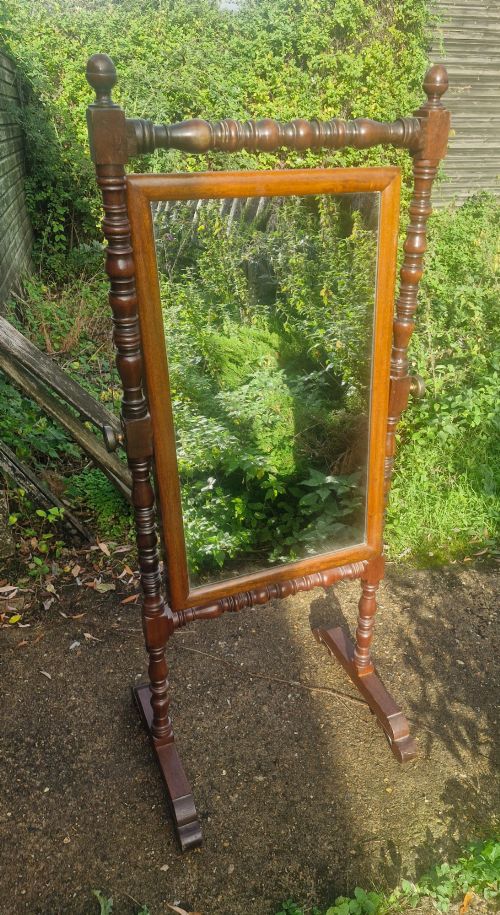
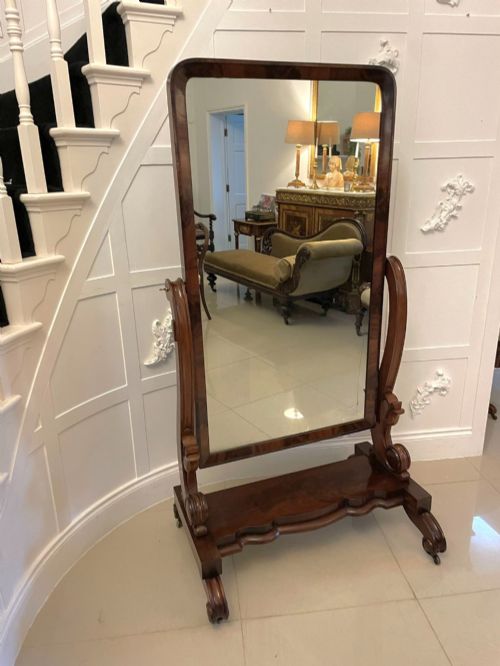
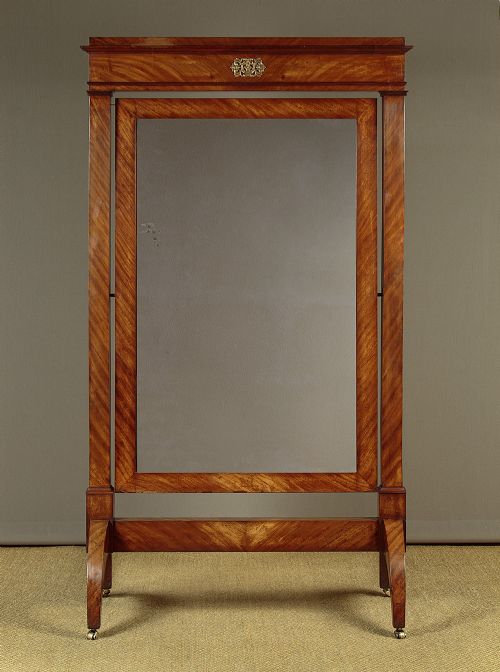
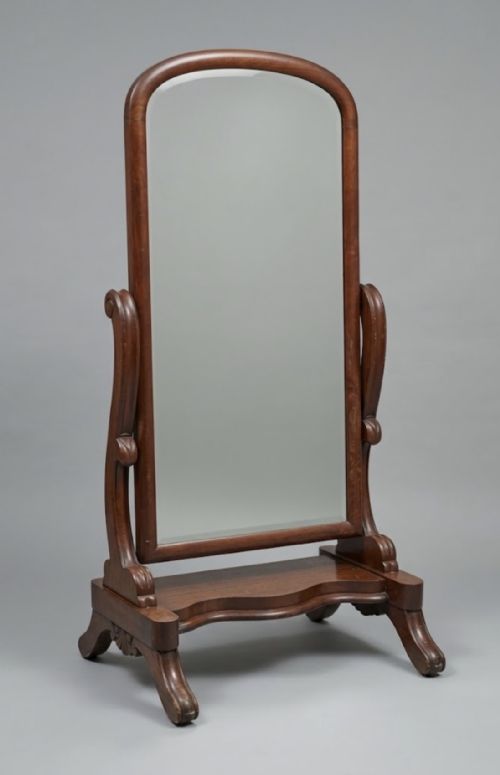
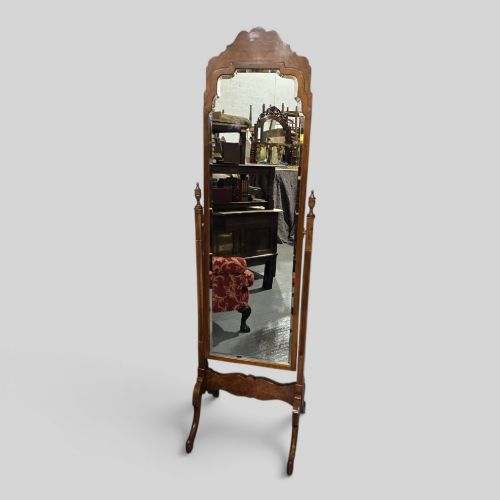
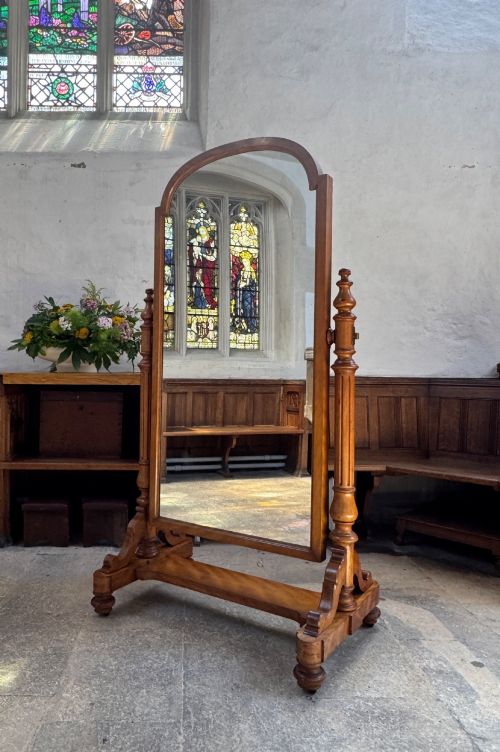
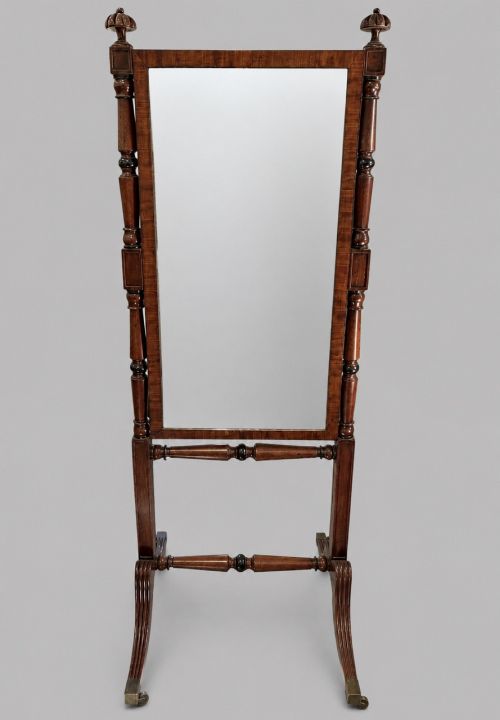
A wood cheval glass is a freestanding floor mirror designed to pivot within a supportive vertical frame, allowing the glass to tilt at various angles. Buyers seek these pieces for dressing rooms and bedrooms to gain a full-length view while adding a functional antique furniture piece to the interior.
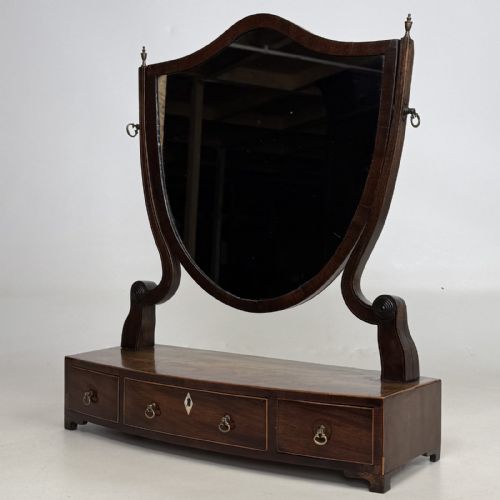
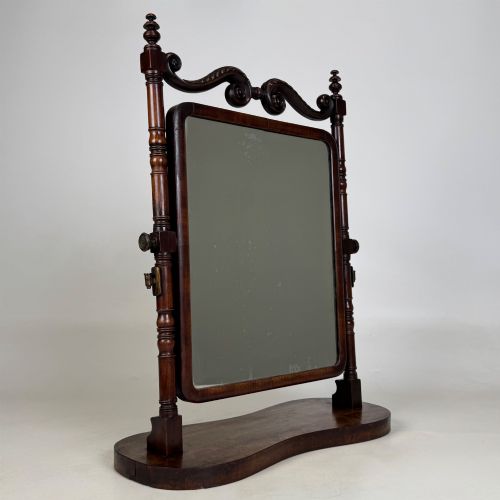
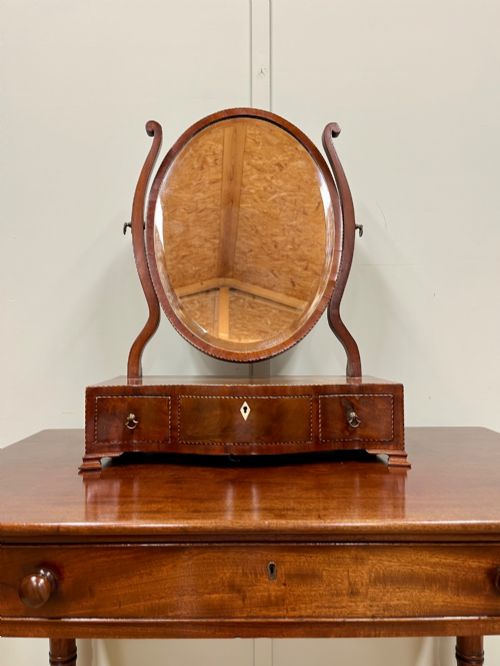
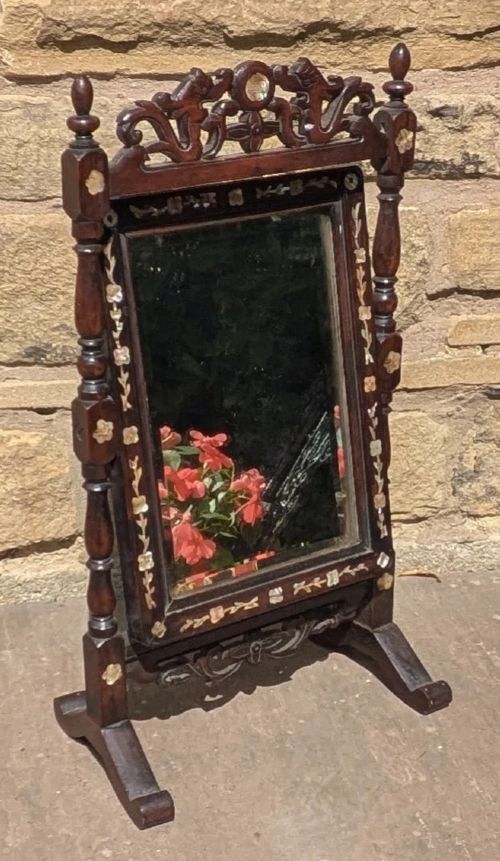
Beyond standard floor-standing mirrors, the listings encompass related forms such as dressing table mirrors and toilet mirrors designed for smaller surfaces. Variations span from austere Georgian designs to ornate Victorian interpretations and inlaid hardwood pieces from the Qing Dynasty.
How they were made
Cabinet makers constructed the primary frames of these mirrors using solid and veneered timbers, predominantly mahogany, alongside occasional examples in satin birch, walnut, and giltwood. Timber sections were joined using traditional woodworking techniques to support the heavy weight of the swinging glass frame.
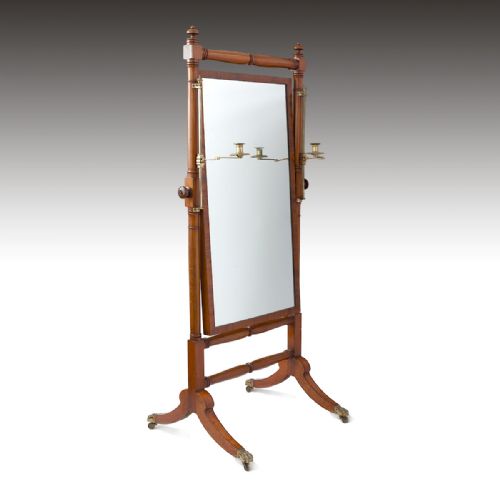
The mirror plates themselves consist of traditional silvered glass, sometimes held within adjustable brass pivots that allow the plate to tilt smoothly. Additional detailing frequently incorporates brass castors, bone inlay, or mother of pearl elements set into the surrounding wooden framework.
Wood Cheval Glass Retail Price Guide 2026
Typical asking prices for wood cheval glass among the pieces listed under this phrase on Sellingantiques today, from the lower quarter to the upper quarter. They describe what is for sale here now, not the wider market.
Several mirrors include hidden compartments in their base boxes, perfect for stashing antique hairpins or secret love letters.
What varies in quality
The standard of timber selection and the crispness of carved details largely define the grade of a wood cheval glass. Superior pieces display carefully matched grain patterns, substantial proportions, and well-executed joinery that remains stable when the mirror pivots.
Hardware quality also marks the distinction between ordinary and high-grade examples, visible in heavy brass pivots, robust floor feet, and original castors that bear the weight evenly. Finer mirrors retain their original mercury or silvered glass plates and well-turned upright pillars without excessive wobble in the frame.
The Wood Cheval Glass Glossary
- Cheval glass
- A large freestanding mirror supported by a frame with legs, designed to swing vertically. The term derives from the French word for horse, referencing the four-legged frame structure.
- Toilet mirror
- A smaller dressing mirror designed to sit upon a table or chest of drawers rather than stand directly on the floor. These pieces frequently feature small drawer compartments built into the base plinth.
- Swing mirror
- A mirror plate hung on side pivots within a static frame, allowing the glass angle to be adjusted. This mechanism is central to both floor-standing cheval designs and smaller tabletop versions.
- Giltwood
- Timber that has been coated with a thin layer of gold leaf or gilt composition. This finish appears on decorative frames from the Victorian era and earlier.
- Marquetry
- Decorative veneer work arranged in intricate patterns using various woods, bone, or shell. It frequently decorates the surfaces of Dutch and English dressing mirrors.
Wood Cheval Glass: Frequently Asked Questions
What is a wood cheval glass used for?
These mirrors provide a full-length reflection while standing independently on the floor without requiring wall attachment.
They allow users to adjust the viewing angle by tilting the glass plate forward or backward within its supporting frame.
How do I date a wood cheval glass?
Dating relies on observing the timber species, construction methods, and stylistic cues present in the frame design.
Georgian and Regency examples tend to feature cleaner architectural lines, whereas Victorian pieces often incorporate heavier carvings, turned pillars, and distinct brass castor designs.
Where should I place a cheval mirror?
These freestanding mirrors suit bedrooms, dressing areas, and large hallways where adequate floor space permits free movement.
Positioning them near natural light sources helps maximise their reflective capacity while showcasing the timber frame.
Can the mirror angle be adjusted?
The hanging plate is mounted on side pivots or screw pins connecting it to the upright support posts.
Tightening or loosening these pivot points allows the glass to maintain a chosen tilt angle during use.