



Wood Butchers Block Table
A wood butchers block table brings honest utility and heavy industrial charm into the modern kitchen.
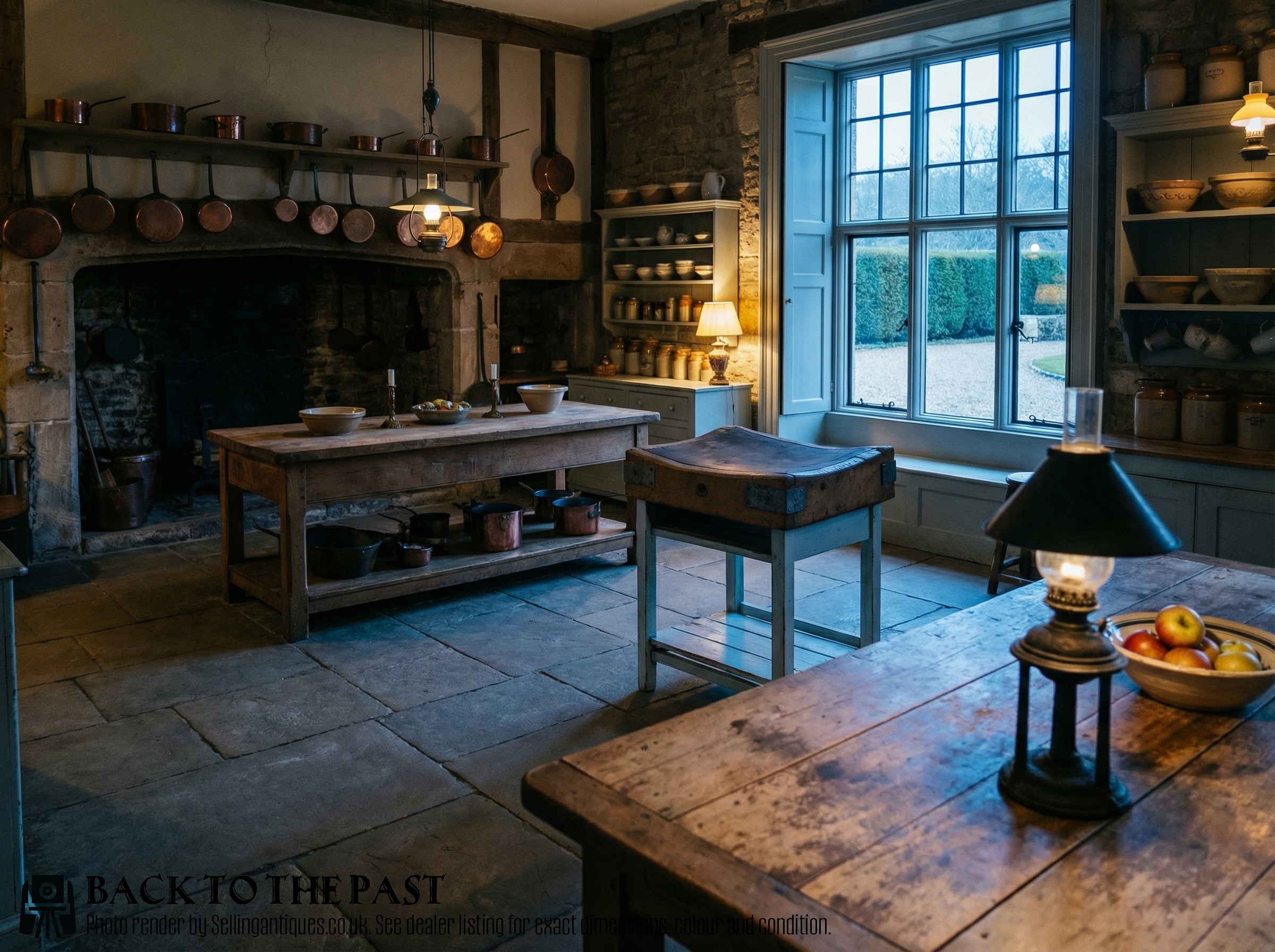
Wood Butchers Block Table
A wood butchers block table is a robust work surface designed for preparation, found in forms such as chopping blocks, game blocks, and kitchen islands. These practical furnishings reflect vernacular rural traditions and rustic farmhouse styles.
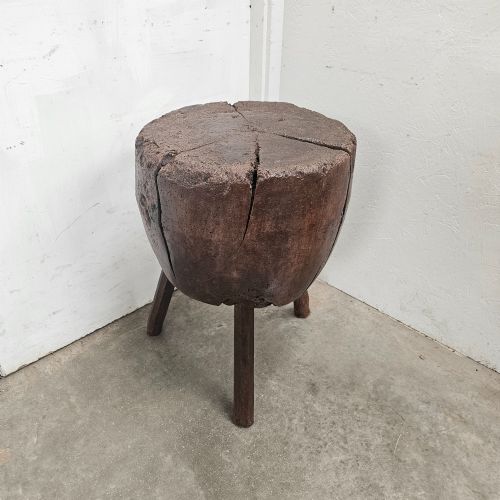
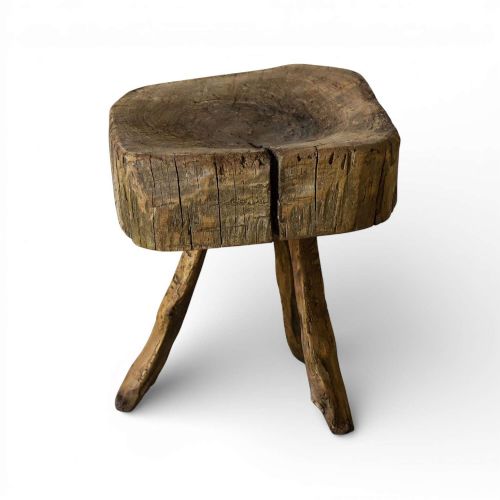
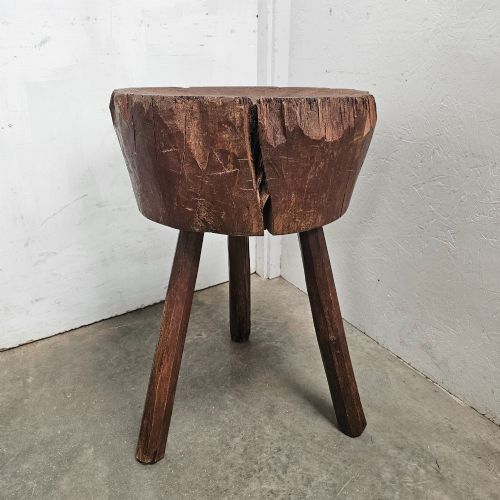
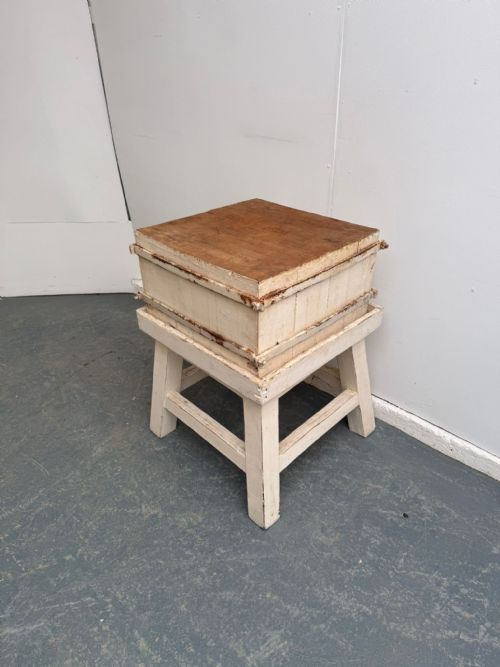
Buyers meet examples originating from French provincial workshops alongside British pieces, spanning the nineteenth century up to the mid twentieth century. Forms range from heavy tree trunks mounted on original legs to trestle tables and fitted stands.
Many of these surfaces show deep scars and heavy use from historical preparation tasks, embodying primitive country and rustic vernacular aesthetics.
How they were made
Construction relies heavily on dense hardwoods such as beech, elm, oak, ash, and sycamore, chosen for their ability to withstand repeated impact without splintering. These thick timber tops are joined securely to heavy legs or iron-braced stands.
Structural reinforcement sometimes includes iron mounts and wire elements, while certain examples retain traces of original paint or scrubbed finishes. The materials reflect straightforward, functional carpentry intended for heavy daily service.
Period origins span from around eighteen hundred through Victorian times up to the nineteen fifties.
What varies in quality
Quality rests in the integrity of the timber top and whether it retains its original base or stand. Thick, end-grain or heavy slab construction combined with untouched patination commands greater appreciation.
The presence of maker details or specialised mounts elevates particular pieces above standard utility furniture, distinguishing utilitarian workshop items from refined regional examples.
Trussant & Cie·Hennes France
The Wood Butchers Block Table Glossary
- Game Block
- A heavy chopping surface specifically utilised for preparing game birds and meats in country kitchens. These blocks are characterised by exceptionally thick timber sections.
- Vernacular Rural
- A style defined by local craftsmanship using readily available materials rather than formal academic design rules. It prioritises function and durability above ornamentation.
- Trestle Table
- A table structure consisting of two or more support frames connected by a horizontal beam. This design provides sturdy legroom beneath large work surfaces.
- Scrubbed Finish
- A surface treatment resulting from repeated vigorous cleaning with water and stiff brushes. This process leaves the timber pale, clean, and textured.
Wood Butchers Block Table: Frequently Asked Questions
How do I clean a wood butchers block table?
Maintenance involves scraping away debris and wiping the timber surface with warm soapy water without soaking the wood. Regular oiling helps nourish the dense hardwood and prevents excessive drying.
Harsh chemical detergents and abrasive scouring pads should be avoided to preserve the historical surface texture and natural patination.
Can I use an antique butchers block for food preparation?
Many buyers continue to use these sturdy wooden tables for daily culinary tasks. The thick timber tops are inherently suited for chopping and rolling dough.
Sanitising the surface thoroughly before and after use ensures food safety while respecting the historic utility of the piece.
What woods were commonly used for these tables?
Makers selected dense native hardwoods such as beech, elm, oak, ash, and sycamore for their strength and resilience. These timbers resist heavy impact and wear over decades of service.
Individual regional preferences often dictated which wood species appeared in British versus French provincial workshops.
How do I date an old butchers block?
Dating relies on examining the construction methods, tool marks, leg styles, and any associated ironwork or manufacturer markings. Nineteenth-century examples often display hand-hewn joinery and heavy patinated timber tops.
Comparing the base structure to known period styles helps narrow down the decade of production.