

Wood and Fabric Chairs
Wood and fabric chairs combine timber frames with textile or leather upholstery, offering functional seating that spans multiple centuries and decorative styles.
Wood and Fabric Chairs
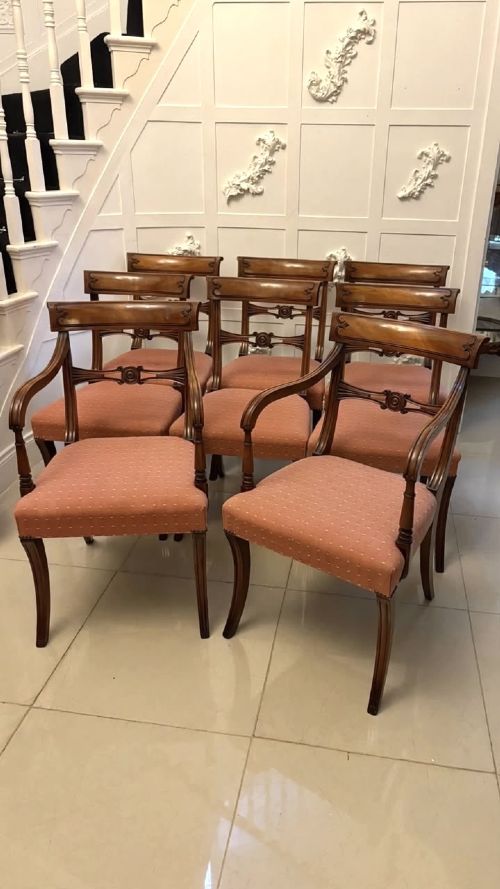
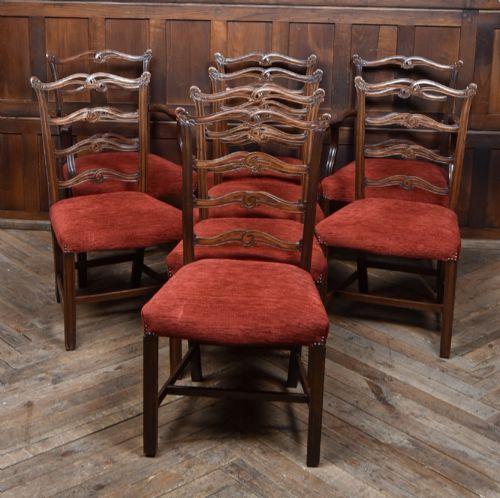
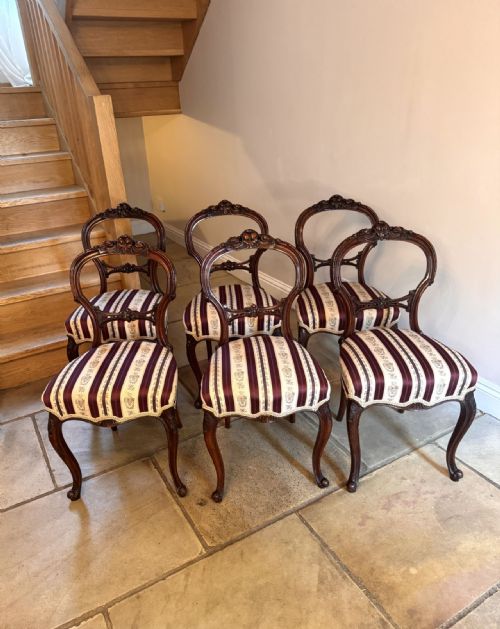
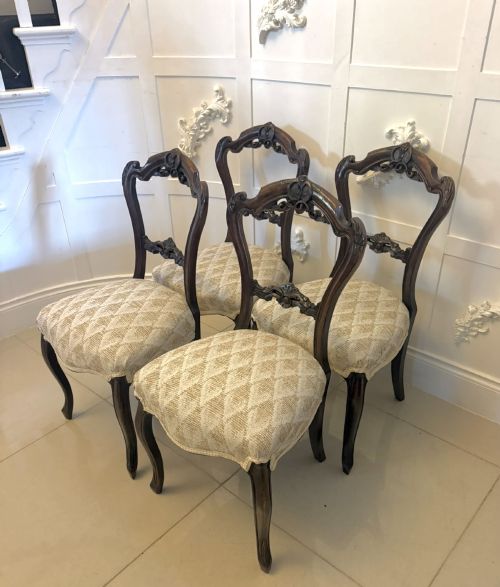
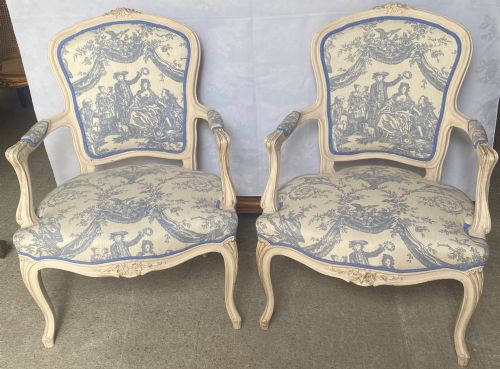
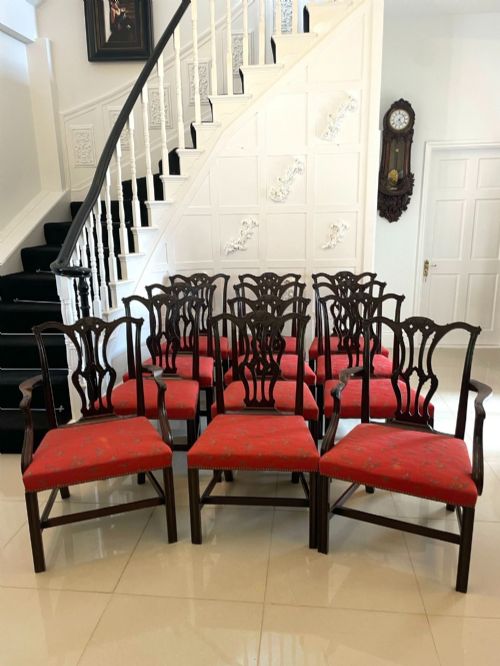
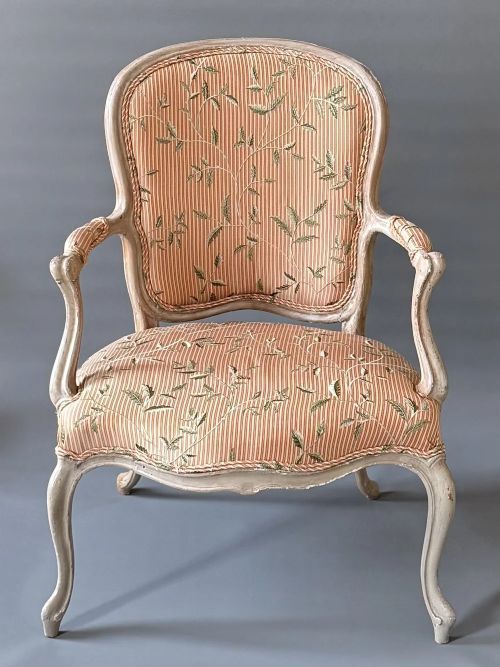
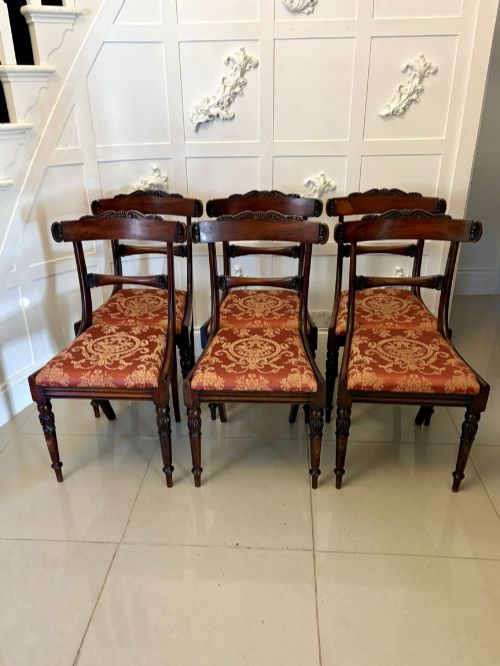
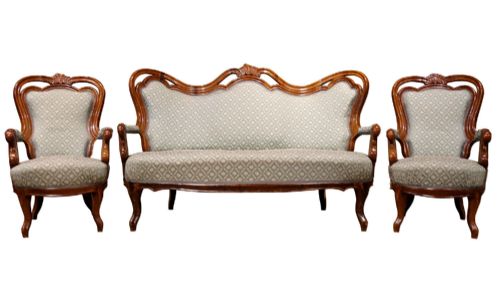
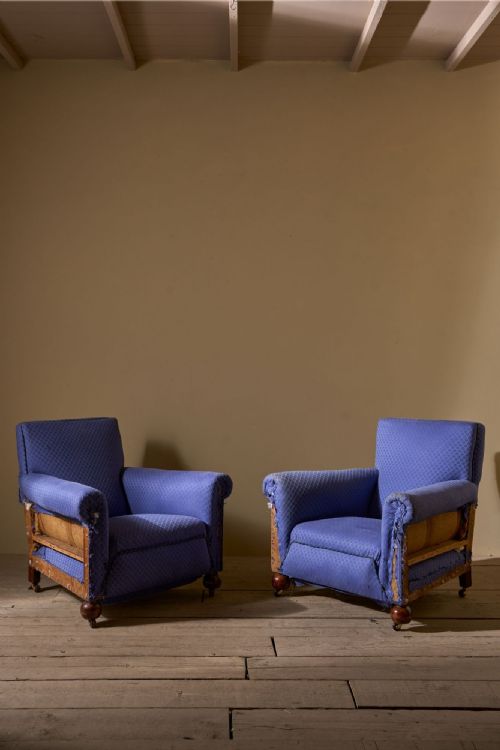
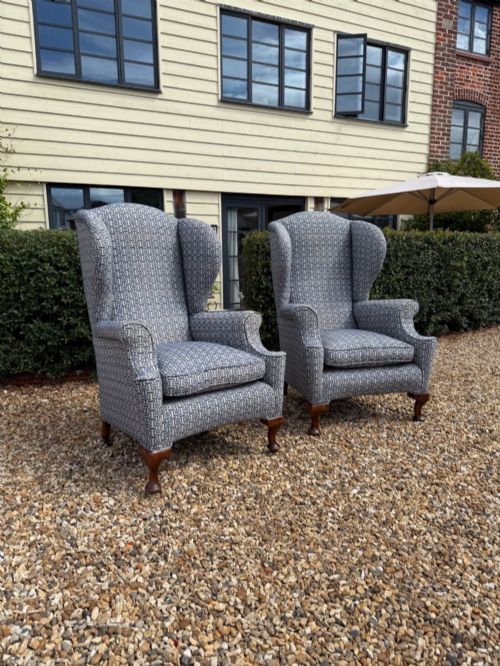
Wood and fabric chairs encompass a wide variety of seating options, ranging from formal dining sets to relaxed armchairs and piano stools. Buyers searching for these items encounter pieces built across several distinct eras, including Victorian, Edwardian, and Art Deco periods.
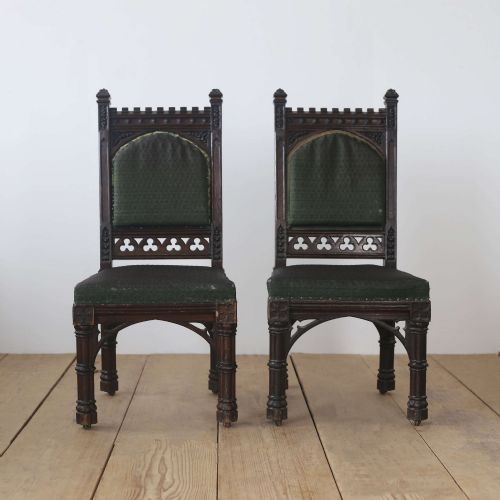
Origins span English, French, Scottish, and Continental workshops, reflecting diverse regional interpretations of styles such as Chippendale Revival, Regency, and Gothic Revival. Each piece pairs a structural wooden frame with applied upholstery, fabric, or leather.
Materials and Techniques
Makers built the structural frames of these chairs using hardwoods such as mahogany, walnut, rosewood, and satinwood. Carpenters shaped these timbers through traditional joinery, occasionally incorporating decorative elements like ebonising, gilding, or marquetry.
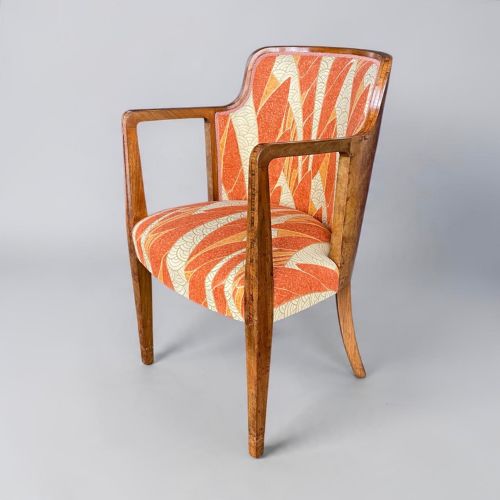
Upholstery techniques applied textiles, silk fabric, and leather directly to the wooden foundations. Secondary materials like brass and metal hardware appeared on adjustable mechanisms, castors, and swivel bases.
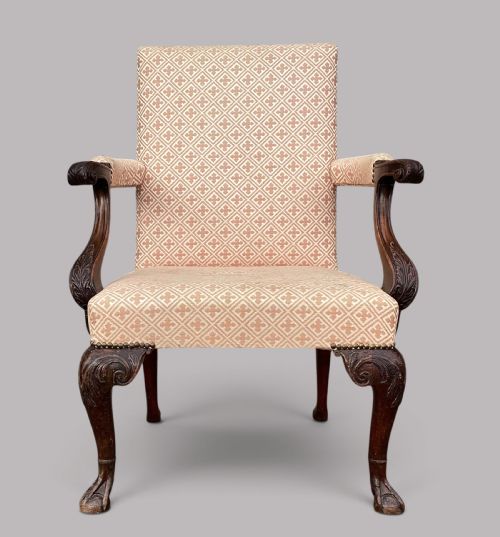
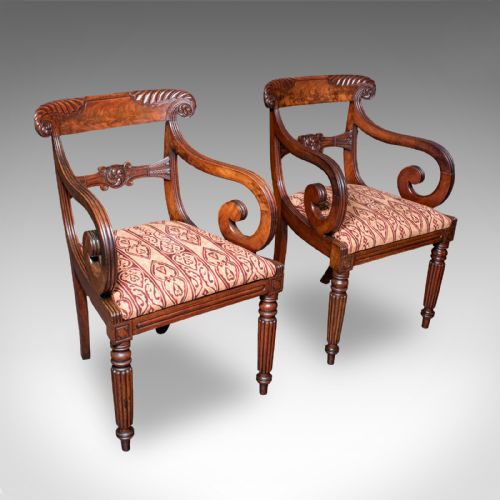
Carving and turning methods created distinct profiles, from bobbin turned legs to elaborate cabriole supports and scroll arms. Frames were frequently paired with contemporary or replacement textile coverings to complete the seat.
Wood and Fabric Chairs Retail Price Guide 2026
Typical asking prices for wood and fabric chairs among the pieces listed under this phrase on Sellingantiques today, from the lower quarter to the upper quarter. They describe what is for sale here now, not the wider market.
Materials recorded across the inventory include mahogany, walnut, rosewood, satinwood, brass, silk fabric, and leather.
Assessing Quality and Craftsmanship
Quality in these chairs rests upon the integrity of the timber frame and the depth of carving. Dense, well-figured woods like mahogany and walnut demonstrate superior material selection compared to softer or plainer alternatives.
The execution of joinery and carved details separates standard production from exceptional examples. Crisp hand-carved ornamentation on legs, rails, and crests indicates skilled artisan labour rather than mass replication.
The standard of upholstery work and the choice of textile influence the overall character of the piece. Preservation of original structural elements alongside careful textile application distinguishes finer examples across all periods.
The Wood and Fabric Chairs Glossary
- Cabriole leg
- A furniture leg that curves outward at the knee and tapers inward toward the foot, commonly seen in eighteenth and nineteenth century designs.
- Bobbin chair
- A type of seating constructed with turned wooden members resembling spools or bobbins threaded together, popular during the Victorian era.
- Giltwood
- Wood that has been coated with a thin layer of gold leaf or gilt paint, frequently found on formal French salon and occasional chairs.
- Satinwood
- A hard, durable timber with a golden-yellow sheen used for fine cabinetmaking and decorative inlay work.
- Chaise longue
- An upholstered sofa shaped like a chair with a back and an elongated seat for reclining, originating in French interior design.
Wood and Fabric Chairs: Frequently Asked Questions
How do I clean vintage wood and fabric chairs?
Dust wooden frames regularly with a soft cloth and feed the timber with appropriate wax to maintain the finish. Vacuum textile upholstery gently using a low suction attachment to remove surface dirt without damaging the fibres.
Avoid placing these chairs in direct sunlight or near heat sources to prevent the wood from drying out and the fabric from fading. Professional cleaning is recommended for antique textiles to preserve delicate weaves and older stuffing materials.
Are these chairs suitable for daily dining?
Many nineteenth century dining chairs and sets are structurally sound for regular daily use. Solid hardwood frames joined with traditional methods provide the necessary strength and stability for frequent sitting.
Inspect the joints and overall frame rigidity before committing to heavy daily service. Lighter occasional chairs or delicate gilt pieces are better suited for decorative placement rather than robust dining room use.
How can I identify the period of a wooden chair?
Look at the combination of timber choice, structural form, and decorative motifs to determine the era. Victorian pieces often feature heavy carved walnut or mahogany, while Edwardian items lean toward lighter satinwood inlays and revival styles.
Examine the construction methods visible underneath the seat and around the joints. Hand-cut joinery and older hardware types provide reliable clues to a piece's age and manufacturing origin.
What is the difference between an armchair and an elbow chair?
Armchairs generally feature fully upholstered backs and sides, or substantial wooden frameworks designed for deep, comfortable seating. They provide substantial support and function well as standalone statement pieces in living spaces.
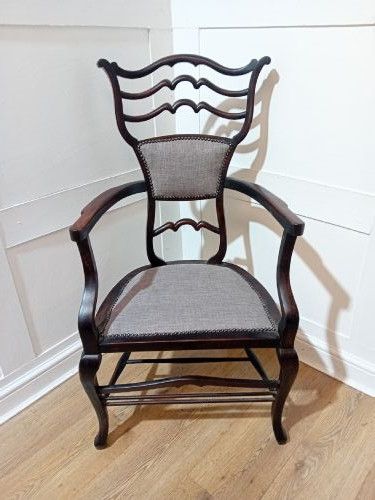
Elbow chairs, often associated with reception rooms or desk use, typically feature open wooden arms attached to a more compact frame. They offer a lighter visual footprint while still providing arm support for the sitter.