


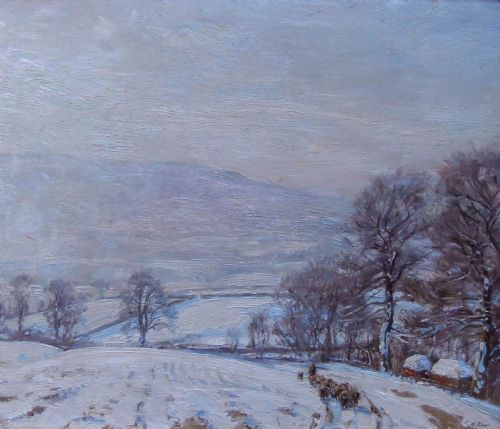
Winter Snow Landscape Artwork
Winter snow landscape artwork captures the quiet and stillness of cold seasons through oil and watercolour.
Winter Snow Landscape Artwork
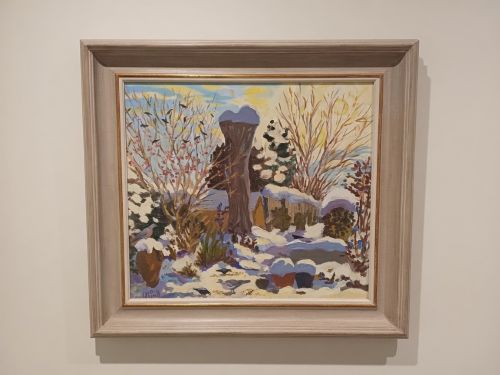
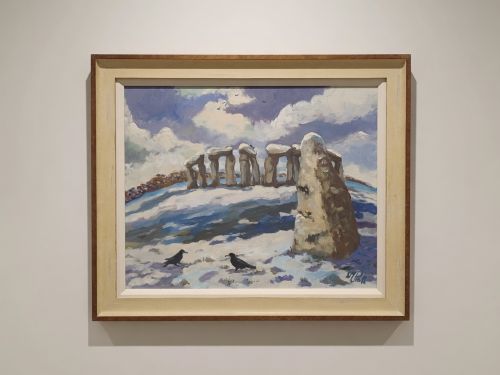
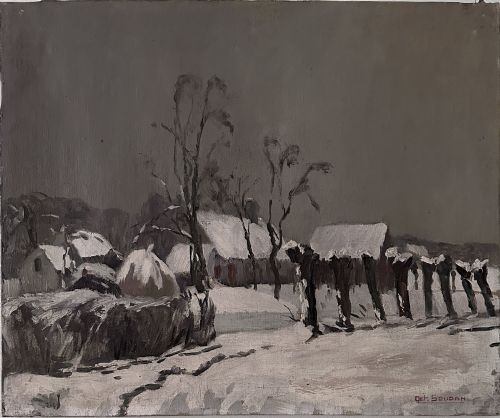
Winter snow landscape artwork spans from the nineteenth century to contemporary periods, taking the form of oil paintings and watercolours. These pieces often depict rural scenes, coaching scenes, and village views set against frost and snow.
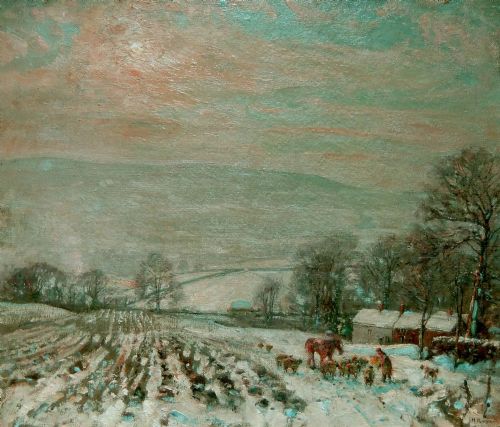
You are most likely to meet works from the early twentieth century, particularly watercolours and oil paintings on canvas depicting British countryside scenes. Common subjects include Yorkshire valleys, rural cottages, and seasonal tasks such as gathering fuel.
The selection includes framed watercolours, gouache, and oil paintings on board or canvas. Makers range from named British and French artists to nineteenth-century coaching painters.
Materials and technique
Artists primarily used oil paint on canvas, board, and paper to build rich surface textures. Watercolour and gouache were frequently chosen for lighter, fluid atmospheric effects on paper.
Support materials include traditional canvas stretched over wood frames, heavy art paper, and occasionally gold leaf details. Brushwork varies from loose impressionistic application to detailed realist depiction.
Listings feature canvases, watercolours on paper, and wood panels spanning the nineteenth century to contemporary periods.
Quality and execution
The distinction between standard and superior pieces rests on the handling of light and shadow across white surfaces. Stronger examples convey the chill of the air and the weight of snow through deliberate brushwork rather than mere colour selection.
Compositional balance and the artist's ability to capture movement, such as horses struggling through snowdrifts or figures gathering firewood, elevate certain works above basic topographical records.
Herbert Royle·Lucy Pratt·Gaston Cornil·Fred Lawson·Ernest Uden·John Smith Atherton·Charles Jones·John Charles Maggs·Sydney Kendrick·George Graham·Ernest Higgins Rigg·John Ritchie·John Richard Worsdale·Emily M Paterson·George Augustus Williams·Eveline Lance·Wilson·William Cave Day·James Pollard
The Winter Snow Landscape Artwork Glossary
- Canvas
- A closely woven fabric stretched across a wooden frame to serve as a sturdy surface for oil painting. It provides a slightly textured ground that holds heavy layers of paint.
- Watercolour
- A paint consisting of pigment suspended in a water-based solution, applied to paper. It relies on the white of the paper to show through translucent washes.
- Gouache
- An opaque water-based paint that includes a binding agent and white pigment, creating a heavier matte finish than standard watercolour. It is often combined with watercolour for highlights.
- Impressionism
- A style of painting emphasising small, thin brush strokes and accurate depiction of light. British and French variations appear across these winter scenes.
- Genre painting
- Artwork that depicts aspects of everyday life by portraying ordinary people engaged in common activities. In winter scenes, this often includes gathering fuel or travelling by coach.
Winter Snow Landscape Artwork: Frequently Asked Questions
What periods do these paintings cover?
The works span from the nineteenth century through the Edwardian and Victorian eras into the mid-twentieth century and later periods.
Most pieces date from the early decades of the twentieth century, reflecting British Impressionism and traditional watercolour styles.
Are these works painted on canvas or paper?
The collection includes both oil paintings on canvas or board and watercolours on paper. Artists selected their medium to suit the specific atmosphere they wished to create.
Watercolours offer delicate transparency for frost, while oils allow for thick, textured layers of snow.
What subjects appear most often?
Rural Yorkshire valleys, village lanes, and coaching scenes during heavy snowstorms recur frequently. Figures engaged in winter tasks such as gathering firewood also appear across the selection.
Animal subjects include hunting hounds, Highland cattle, and horses pulling stagecoaches through snow drifts.
How should I care for a watercolour painting?
Watercolours on paper require protection from direct sunlight to prevent the pigments from fading over time. Framing behind glass with acid-free mounts preserves the paper.
Keep the artwork in a stable environment away from excessive moisture and humidity.