


Winged Leather Lounge Chair
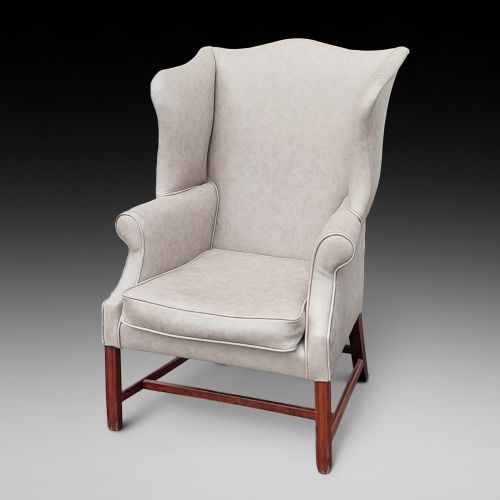
A winged leather lounge chair offers deep upholstery and protective sides, making it the ultimate seat for reading by the fire.
Winged Leather Lounge Chair
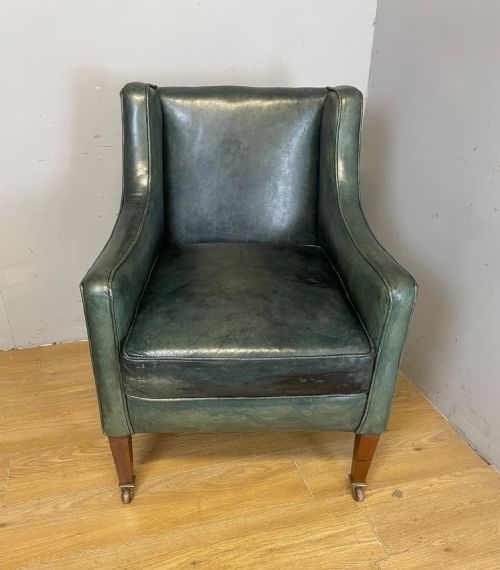
A winged leather lounge chair combines high padded sides with supportive armchairs and sturdy frames, spanning periods from the eighteenth century to the mid-twentieth century. You will encounter various iterations here, including George III examples alongside Edwardian club chairs and Victorian oxblood chesterfields.
The form developed to keep draughts away from the sitter while trapping the heat from a fireplace. Later twentieth-century versions introduce swivel mechanisms and moulded aluminium bases, moving away from traditional timber frames.
Makers utilised woods such as mahogany, oak, and hardwood for the structural elements beneath the hide. Traditional British and Georgian styles sit alongside French reclining chairs and mid-century modern designs.
How They Were Made
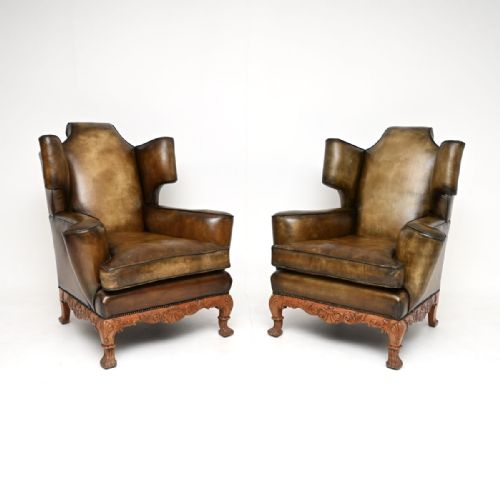
Craftsmen built the frames using solid oak, mahogany, or general hardwood, often carving details like lion motifs into the timber. Tapered mahogany legs or gilded wood accents frequently support the heavy upholstered body.
Upholsters applied natural leather and green hide over deep padding, securing the material with brass nail heads. Buttoning and hand-stitching defined the classic chesterfield and club chair silhouettes across different centuries.
Antique armchairs often contain old horsehair stuffing that occasionally rustles softly when you settle in for a long read.
What Varies in Quality
The integrity of the timber frame and the depth of the hand-carved details dictate the distinction between standard and superior pieces. Original period upholstery methods and the suppleness of the surviving hide also influence the overall standard of an armchair.
Proportion and stance separate ordinary examples from exceptional ones, particularly in how the wings sweep outward from the backrest. The quality of the brass tack work and the weight of the mahogany or oak legs reveal the care taken by the original maker.
Fritz Hansen
The Winged Leather Lounge Chair Glossary
- Wingback
- An armchair featuring projecting side panels designed to shield the occupant from draughts. These wings form an integral part of the upholstered upper frame.
- Hide
- The natural pelt of cattle used for heavy-duty upholstery on seating. It develops a rich patina and softens significantly with age and use.
- Oxblood
- A deep, dark reddish-brown hue commonly found on traditional leather furniture. This colour gained immense popularity during the Victorian and Edwardian eras.
- Patina
- The surface sheen and softening of tone acquired by leather and wood through decades of handling and exposure to light. Collectors value this natural ageing process.
Winged Leather Lounge Chair: Frequently Asked Questions
How do I date a leather wing chair?
Examine the timber species used in the frame and legs, as mahogany and oak popularity shifted across centuries. The style of carving, stretcher placement, and upholstery techniques also point towards specific periods like the Georgian era or the Edwardian years.
Secondary woods hidden beneath the upholstery provide further clues to the decade of manufacture. Comparing the silhouette to documented pieces from known revivals helps narrow down the exact age.
Are mid-century lounge chairs comfortable?
Mid-century lounge chairs utilise moulded shells and ergonomic foam padding designed for modern relaxation. Versions featuring swivel bases and integrated footstools offer adjustable positioning compared to rigid antique frames.
The integration of aluminium and brown leather provides flexible support while maintaining a streamlined profile. These pieces prioritize user posture alongside aesthetic simplicity.
Why did chairs have wings?
Chairs incorporated wings to block cold air draughts in poorly heated historical rooms. The padded panels trapped heat from the hearth around the sitter's head and shoulders.
This functional design endured long after central heating became common, evolving into a mark of traditional upholstery style. The wings also offered a comfortable resting place for the head while sleeping.