

Windsor Dining Seats
These windsor dining seats bring sturdy vernacular craft to the table, offering timber frames shaped for daily service.
Windsor Dining Seats
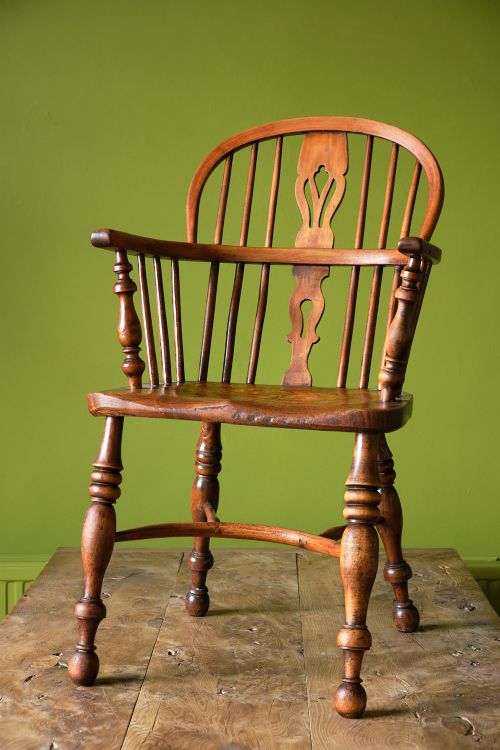
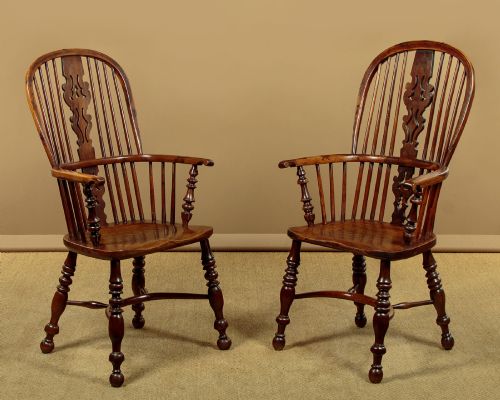
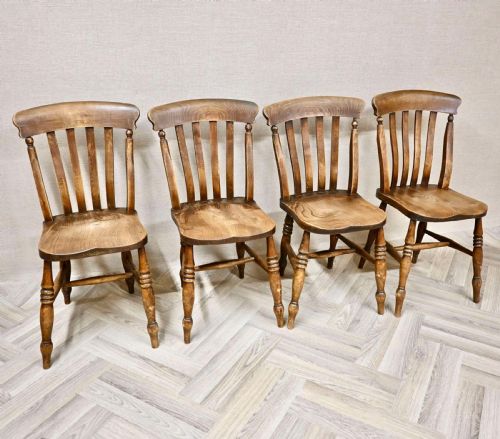
Windsor dining seats are sturdy wooden chairs built with a distinctive central construction where legs and backs are wedged directly into a solid wooden seat. You will frequently encounter nineteenth century examples, along with pieces from the eighteenth century up through the nineteen twenties.
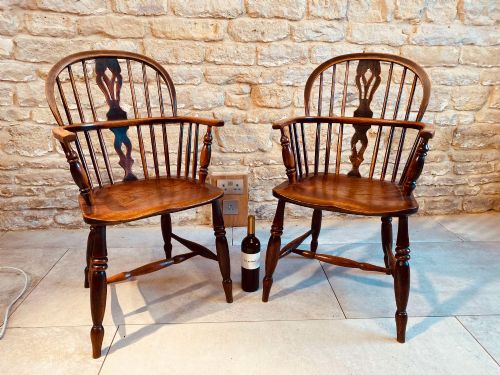
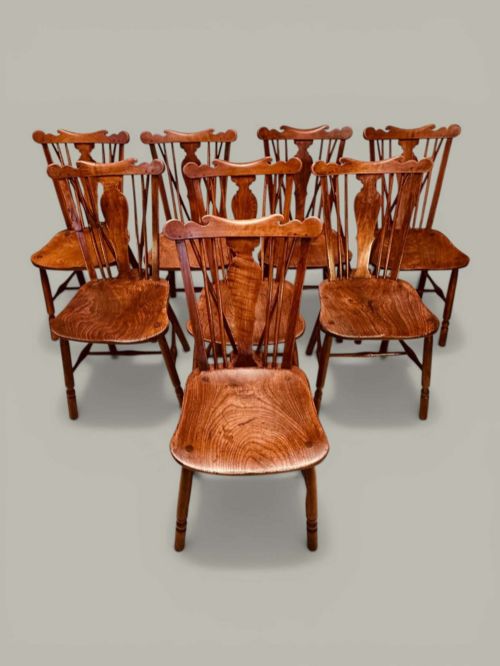
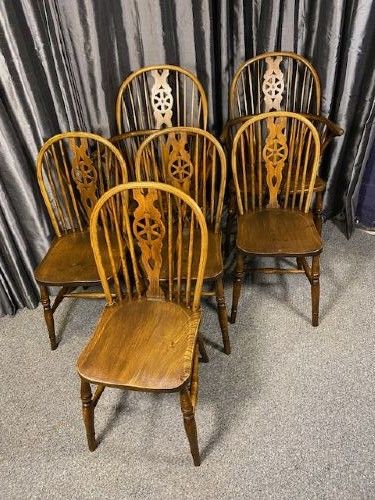
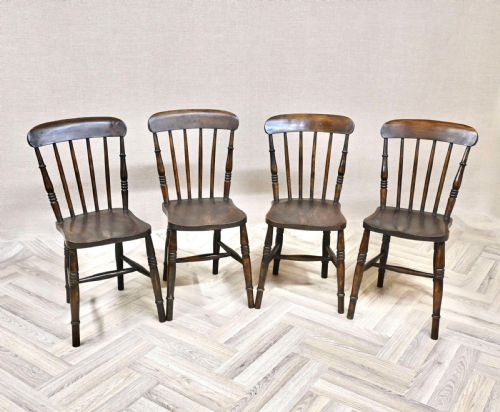
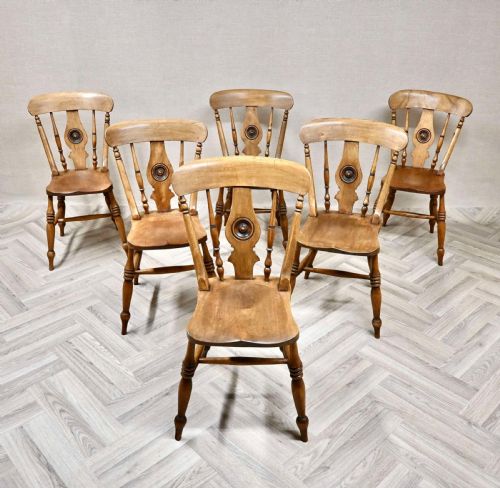
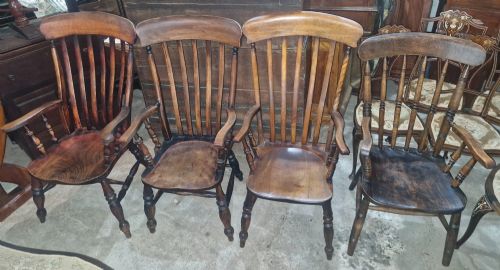
The selections span dining chairs, armchairs, and side chairs, often appearing in sets of four, six, or eight for a dining room. These chairs stem from English country traditions, taking forms such as stick backs, hoop backs, wheelbacks, and comb backs.
Makers shaped these seating options for everyday utility in kitchens and farmhouses, utilising regional variations across the Thames Valley, Wales, and various rural workshops.
Materials and Construction
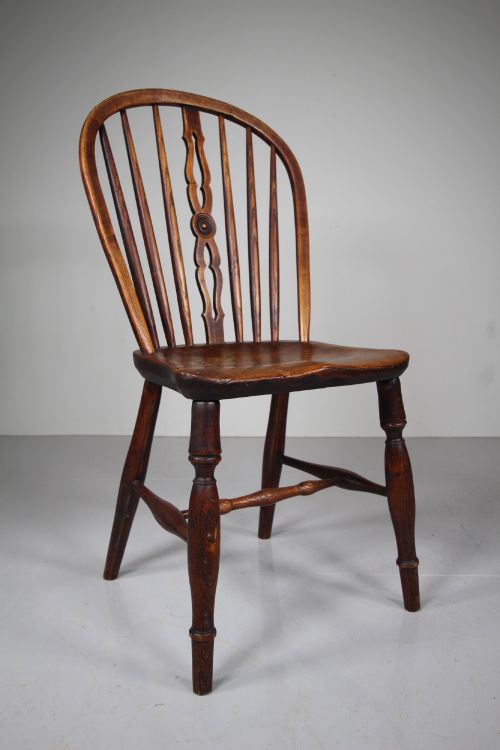
Makers combined solid timbers purposefully, pairing thick elm for the saddle seats with ash, beech, or fruitwood for the turned spindles, legs, and bentwood bows. This multi-wood construction balanced a heavy, stable base with resilient upper members that could flex under use.
Green woodworking techniques allowed craftsmen to steam-bend flexible woods like ash and yew into continuous hoops and bows, securing them firmly into drilled mortise joints on the seat slab. Turned components were shaped on lathes, while seats were deeply saddled using adzes and scorps for comfort.
Windsor Dining Seats Retail Price Guide 2026
Typical asking prices for windsor dining seats among the pieces listed under this phrase on Sellingantiques today, from the lower quarter to the upper quarter. They describe what is for sale here now, not the wider market.
Many a nineteenth-century kitchen chair bears the quiet scars of generations leaning back to ponder the harvest weather.
Distinctions in Quality
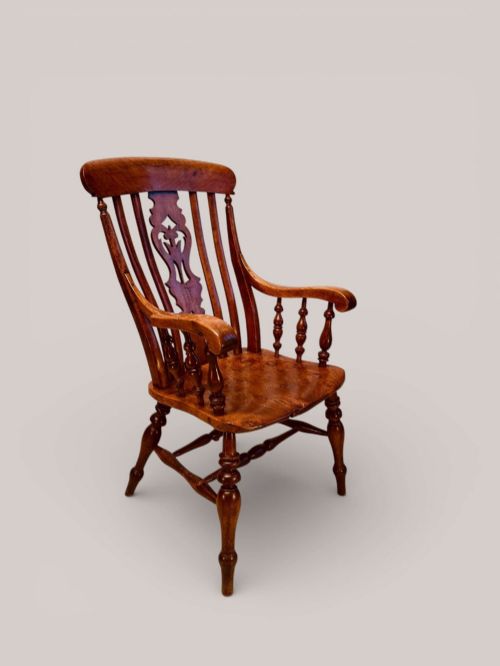
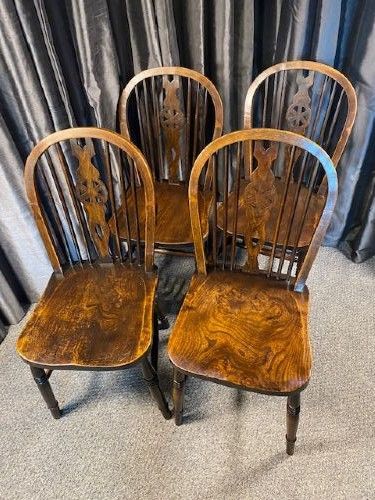
The distinction between standard utility seating and finer workshop production lies in the timber selection and the complexity of the spindle turnings. Elm seats with dramatic grain patterns and generous proportions command greater appreciation than plain, uniform planks.
Constructional integrity also separates examples, seen in the clean execution of wedged tenons, well-balanced arm scrolls, and the survival of matching sets rather than assembled pairs or mixed groupings.
Worksop best model
The Windsor Dining Seats Glossary
- Stick back
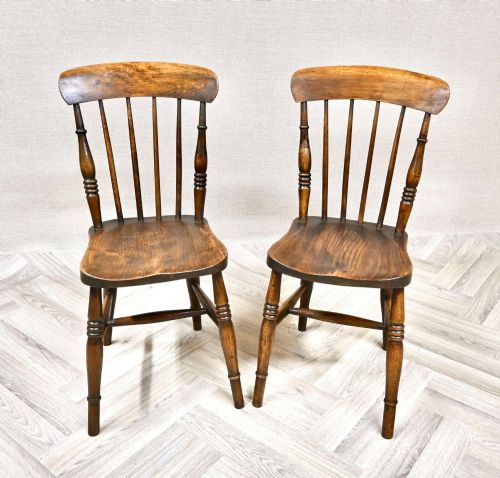
- A chair back formed of multiple plain vertical spindles fitted into the seat and top rail. This straightforward design provided sturdy support in rural kitchens.
- Hoop back
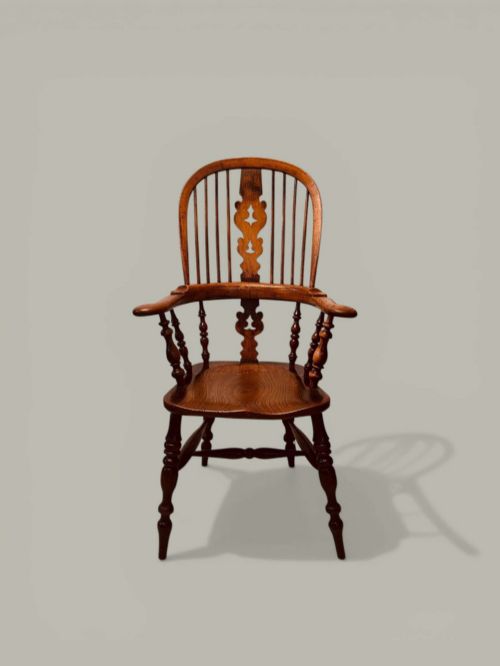
- A continuous bentwood rail that forms both the armrests and the upper back in a single curved sweep. This technique required skilled steam-bending of tough timbers like ash.
- Wheelback
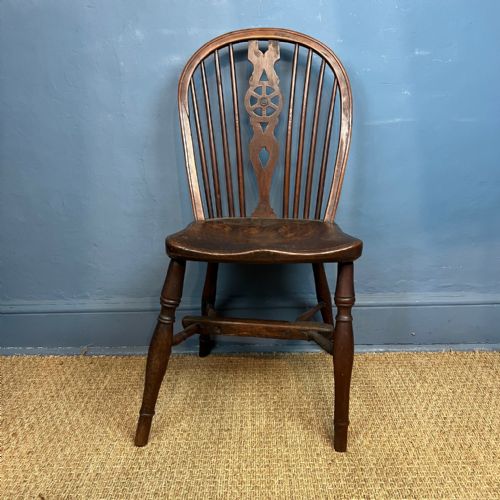
- A Windsor chair featuring a pierced splat carved or shaped in the outline of a spoked carriage wheel. It remains a popular regional variation from the Victorian era.
- Penny seat
- A colloquial term for a saddle seat featuring a circular depression or shallow indent carved centrally. The shaping enhanced comfort for long hours at the dining table.
- Smokers bow
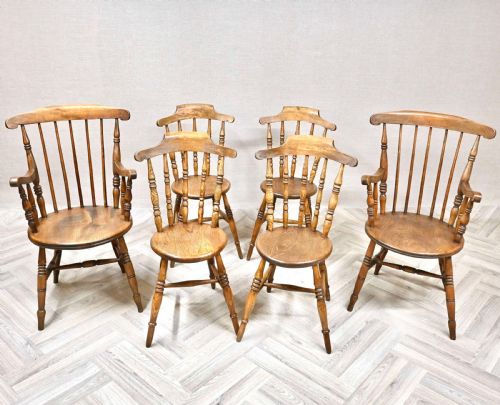
- A low-backed Windsor armchair with a continuous rounded arm rail, often utilised in gentlemen's clubs or farmhouse parlours. These comfortable seats are also known as captain's chairs.
Windsor Dining Seats: Frequently Asked Questions
What is a windsor dining seat?
A windsor dining seat is a traditional wooden chair where the legs and back spindles are tenoned directly into a solid carved seat slab. They emerged from rural vernacular traditions to serve as durable seating around the dining table.
These pieces rely on distinct combinations of timber, such as elm seats paired with ash or beech spindles, creating a resilient structure designed for generations of daily use.
How do I date a windsor chair?
Dating involves looking at the tool marks on the underside of the seat, the thickness of the timbers, and the turning style of the legs. Earlier eighteenth-century models often feature comb backs and fruitwood construction, while Victorian pieces frequently introduce wheelbacks and beech components.
Construction methods also shift over time, moving from heavy adzed elm planks and wedged through-tenons towards more standardised factory production by the early twentieth century.
Are these chairs comfortable for daily dining?
Yes, the saddle seats are deeply carved to fit the body, offering surprising comfort without requiring upholstered cushions. Their sturdy framework makes them practical for everyday meals.
The wide stance of the legs and supportive spindle backs encourage an upright posture suitable for long dinner parties.
How do I mix different windsor chairs?
Mixing different styles works well when the timber tones and general heights share a similar rustic character. Pairing a pair of armchairs at the head of the table with stick back side chairs along the sides creates a collected look.
Look for shared materials, such as elm and ash combinations, to maintain visual harmony across the different chair forms.