

Winding Pocket Watch
A winding pocket watch is a mechanical portable timepiece powered by a mainspring, prized for precise gear trains and traditional manual operation.
Winding Pocket Watch
A winding pocket watch represents a portable mechanical timepiece driven by an internal mainspring that requires periodic manual tensioning via a crown or separate key. When a buyer searches for a winding pocket watch, they encounter functional personal timepieces spanning the Victorian era through the mid-twentieth century.
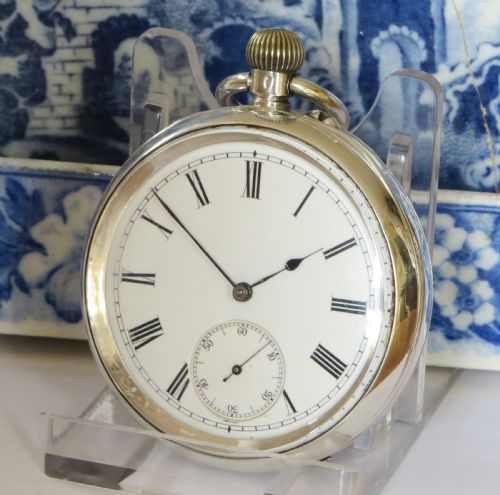
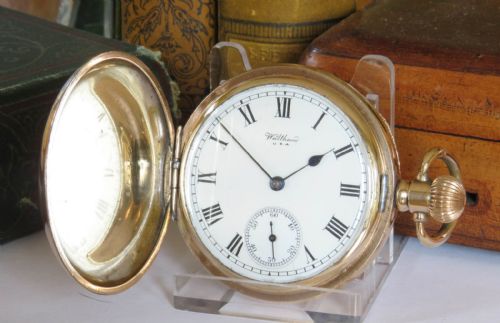
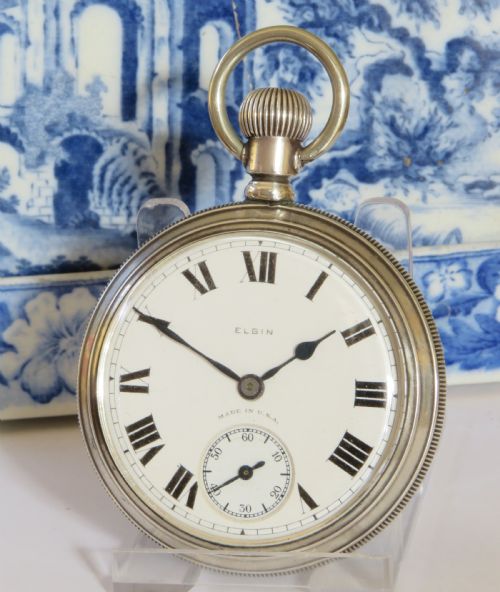
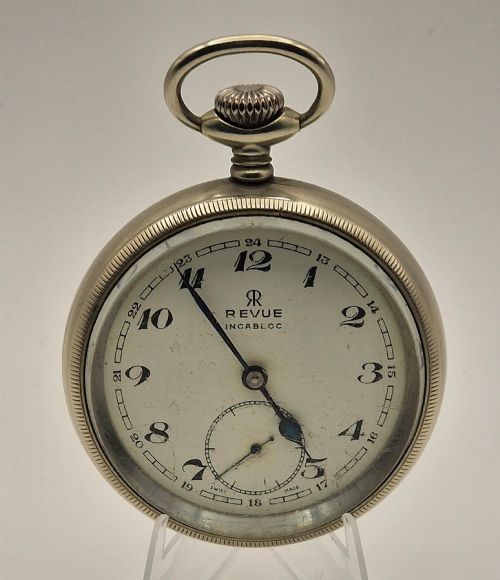
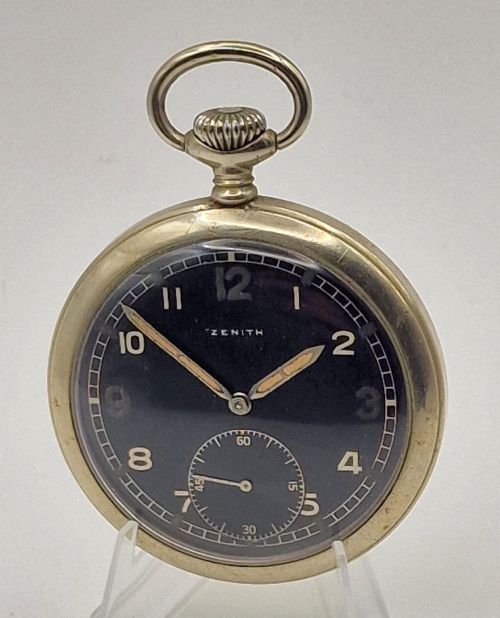
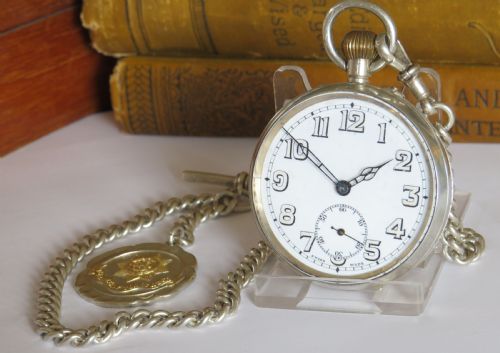
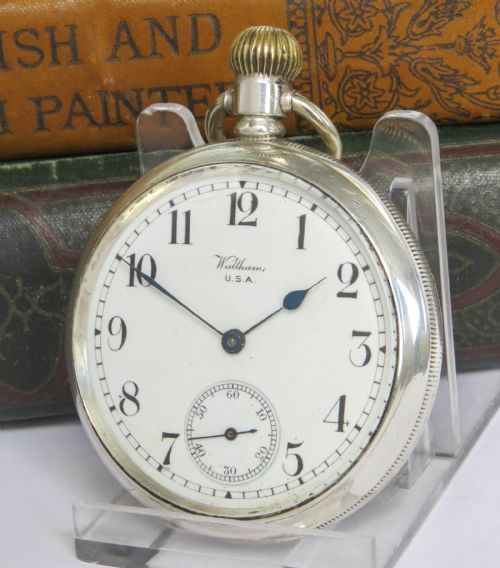
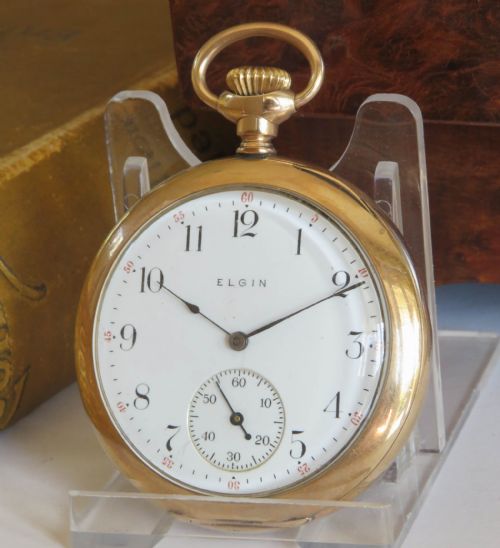
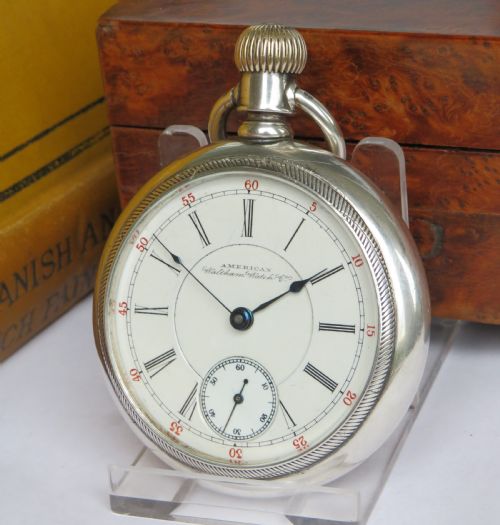
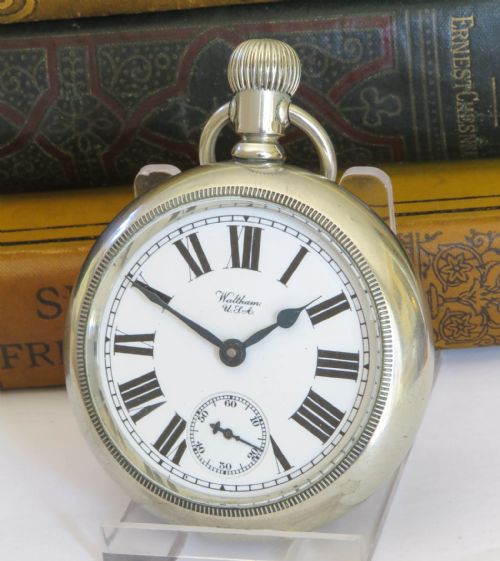
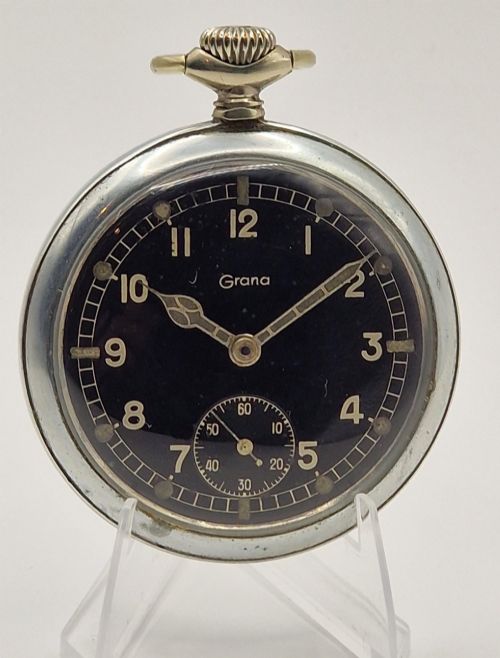
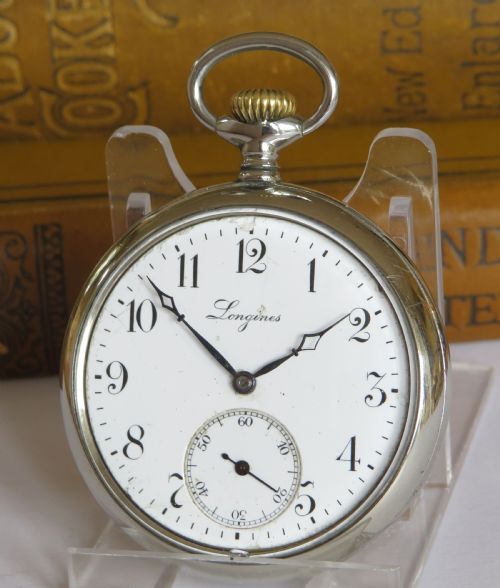
The pieces on this page lean heavily towards early twentieth-century examples, including Edwardian designs and military issues from the Second World War. Standard forms include open face configurations, hunter cases with protective spring-loaded lids, and specialised stopwatches or railway timepieces.
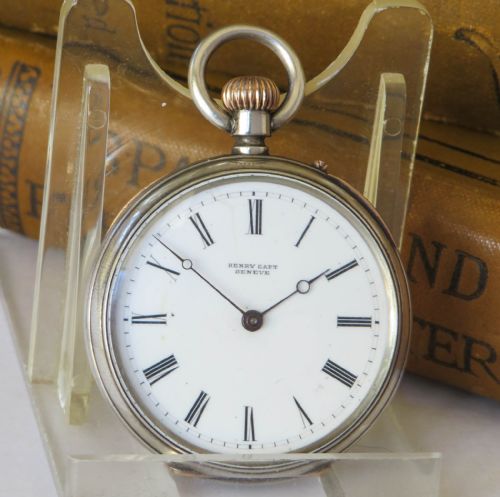
Origins range across English, Swiss, and American workshops, demonstrating both everyday utilitarian service and decorative precision. Buyers find everything from plain nickel service watches to silver chronographs and gold-cased presentation pieces.
Materials and Construction
Cases are formed from solid silver, gold plate, nickel, chrome, brass, and occasionally eighteen-karat gold, paired with protective glass crystals over enamel dials. Metal selection dictates both the daily durability of the casing and the formality of the timepiece.
Internal movements rely on intricate brass and steel gear trains, escapements, and jewelled bearings to regulate the release of power stored in the mainspring. Traditional fusee movements appear alongside stem-winding mechanisms and key-wound systems depending on the period.
Winding Pocket Watch Retail Price Guide 2026
Typical asking prices for winding pocket watch among the pieces listed under this phrase on Sellingantiques today, from the lower quarter to the upper quarter. They describe what is for sale here now, not the wider market.
The inventory covers several decades, ranging from Victorian fusee movements to mid-century military issues.
Distinctions in Quality
Quality separates ordinary utilitarian timepieces from exceptional specimens through the complexity and finish of the internal movement. High-grade movements feature increased jewel counts, precision balance wheels, and meticulous adjustment for temperature and position.
Casing materials and decorative execution further divide the range, moving from plain chrome and nickel service cases to finely engraved silver hunter cases and solid gold housings. The integration of specialised complications, such as chronograph functions or eight-day power reserves, marks the upper tier of production.
Zenith·Elgin·Henry Capt·Waltham·J W Benson·Grana·Omega·Longines·Revue·Thomas Russell and Son·Cyma·Lange and Sohne·Minerva·Silvana·R Stewart Glasgow
The Winding Pocket Watch Glossary
- Fusee
- A conical pulley connected to the mainspring by a chain, designed to equalize the diminishing torque of the spring as it unwinds. This mechanism is frequently found in older English pocket watches.
- Hunter
- A pocket watch featuring a spring-loaded metal cover that protects the glass crystal and dial from damage. The lid springs open by pressing a button built into the winding crown.
- Half Hunter
- A pocket watch case featuring a glass or open centre in the front cover, allowing the user to read the hands without opening the lid. Encircling enamel markers denote the hours.
- Chronograph
- A watch equipped with an independent sweep-second hand that can be started, stopped, and reset to zero for timing events. It turns a standard timepiece into a precision instrument.
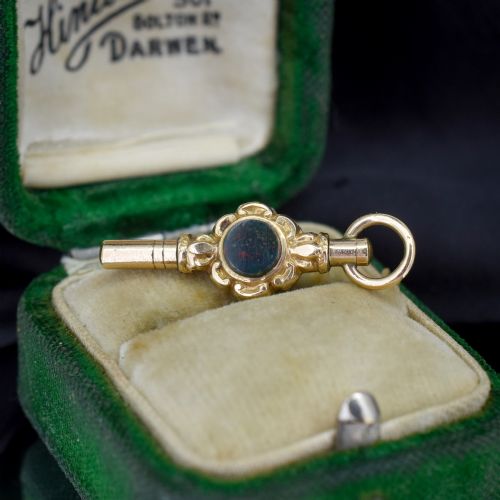
- Watch Key
- A small portable tool used to wind and set early pocket watches that lack a stem-winding crown. These keys often double as fob pendants or charms.
Winding Pocket Watch: Frequently Asked Questions
How do you wind a pocket watch?
Most twentieth-century pieces utilise a stem winding system where the knurled crown at the top is turned clockwise until resistance is felt. Older examples require a separate watch key placed over the arbour inside the rear dust cover.
Overwinding can damage the internal mainspring, so the mechanism should only be turned until tension stops the crown from rotating further.
How do railway pocket watches differ from standard models?
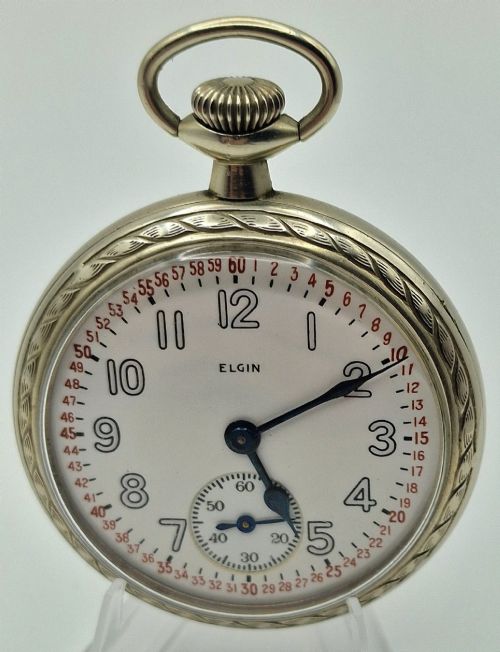
Railway timepieces adhere to strict performance standards set for train crews, demanding high accuracy, clear contrasting enamel dials, and robust movements. They are typically open face designs optimized for rapid legibility in dim conditions.
Many bear specific inscriptions or association marks relating to locomotive companies and railway routes.
Can I wear a pocket watch every day?
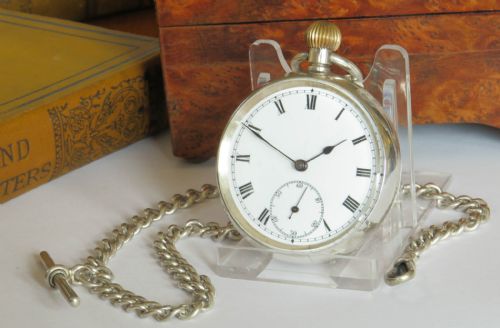
These mechanical timepieces function reliably for daily use when handled with care and kept away from strong magnetic fields and moisture. Pairing the watch with a suitable chain or fob secures it safely within a waistcoat or trouser pocket.
Routine servicing by a professional horologist ensures the internal oils and gear trains remain in sound working order.