


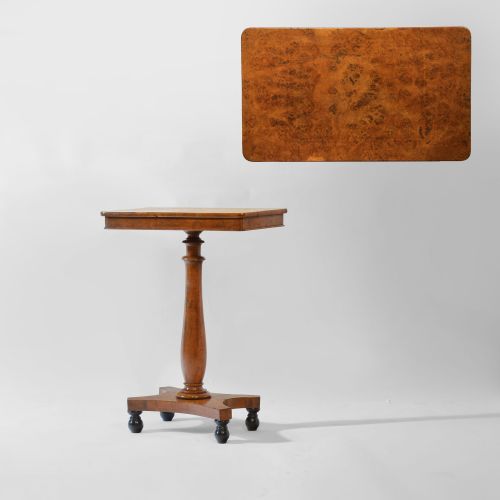
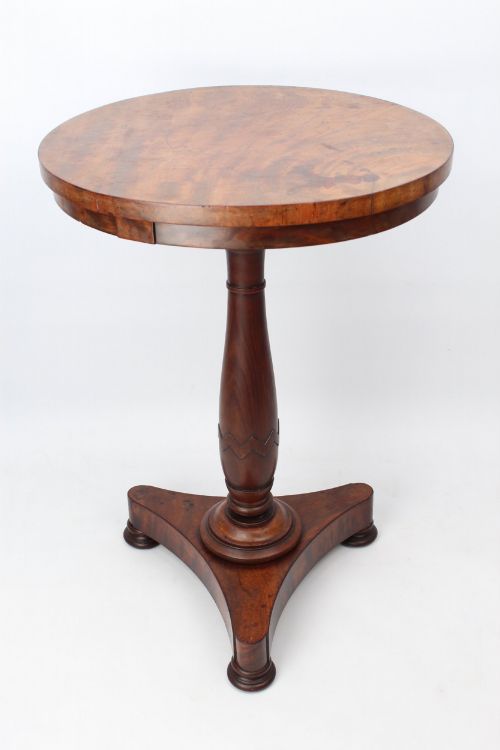
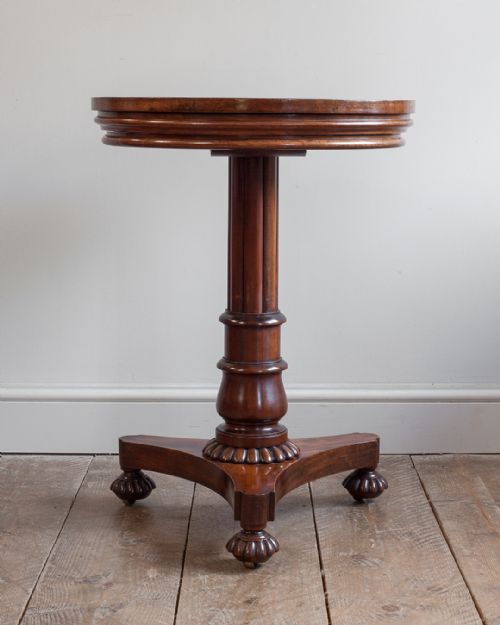
William IV Tripod Table
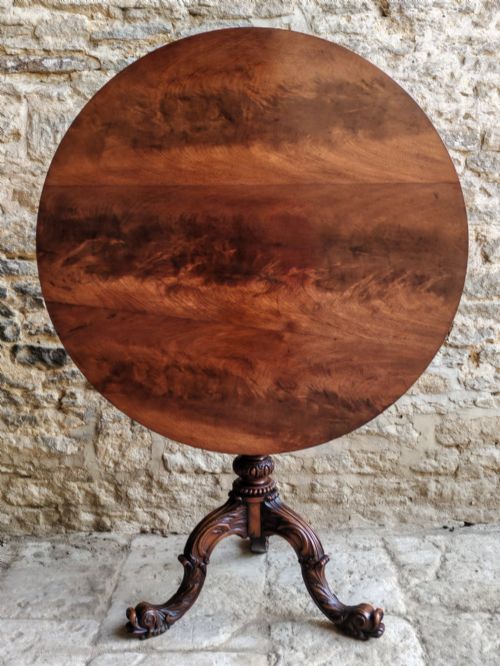
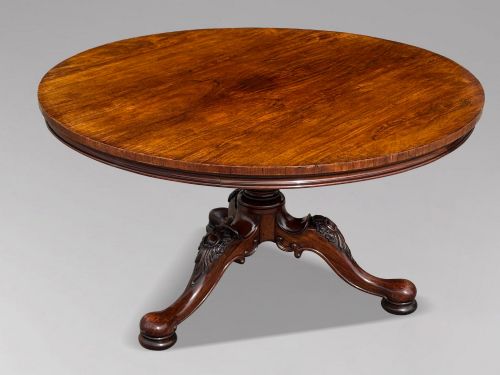
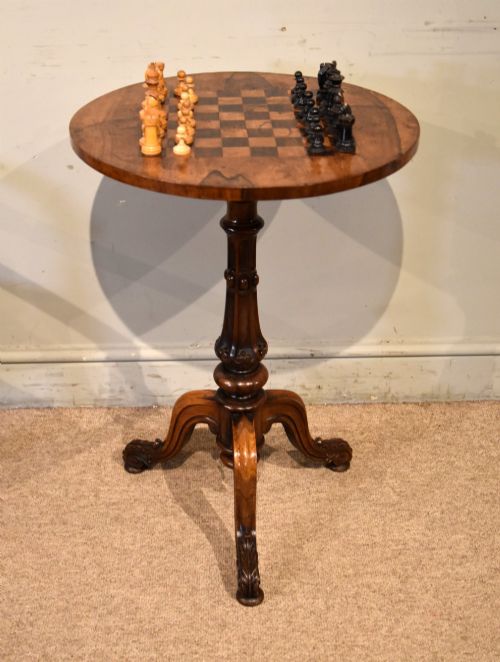
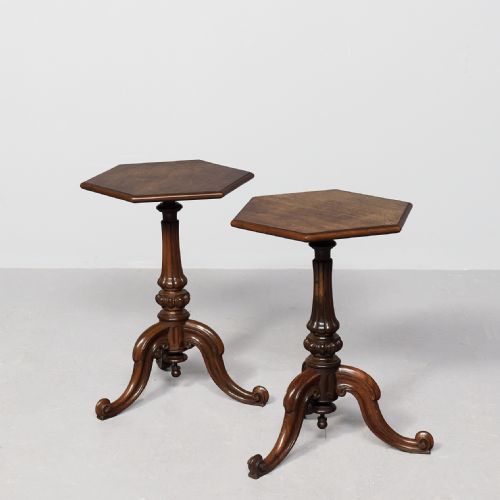
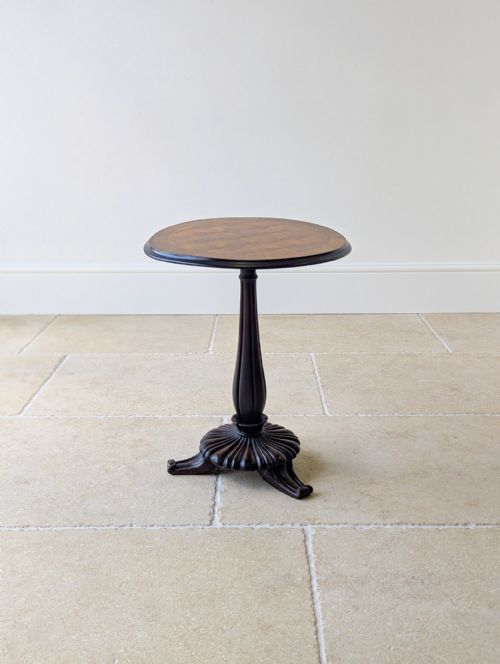
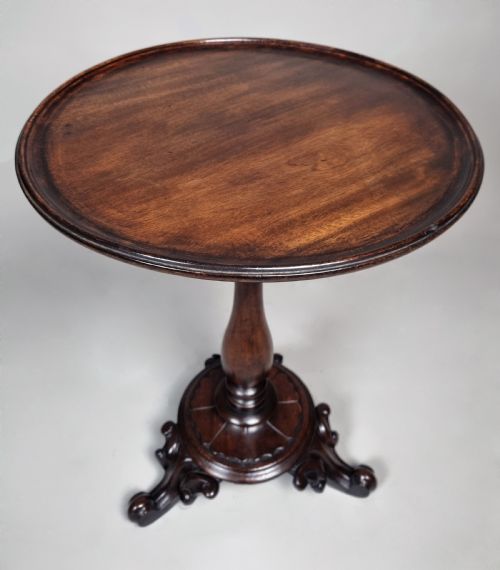
A william iv tripod table balances a heavy central pillar on three scrolling feet, combining functional utility with sculptural presence.
William IV Tripod Table
A william iv tripod table appears primarily in domestic settings as a wine table, lamp stand, or small occasional piece designed for mobility around a drawing room. These items originate predominantly from the nineteenth century, spanning periods recorded as Georgian, Regency, and Victorian.
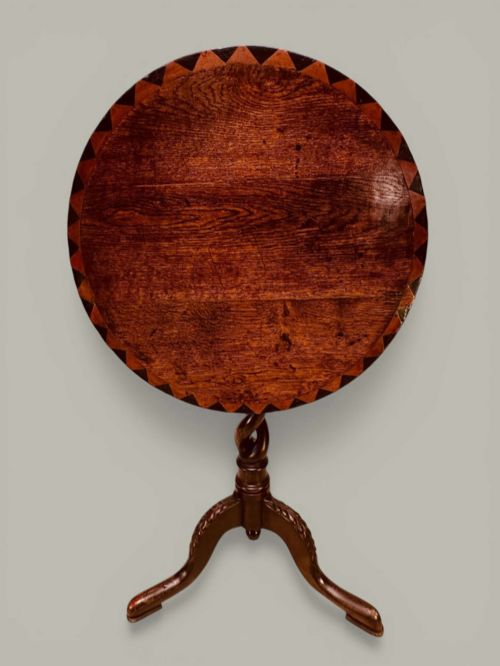
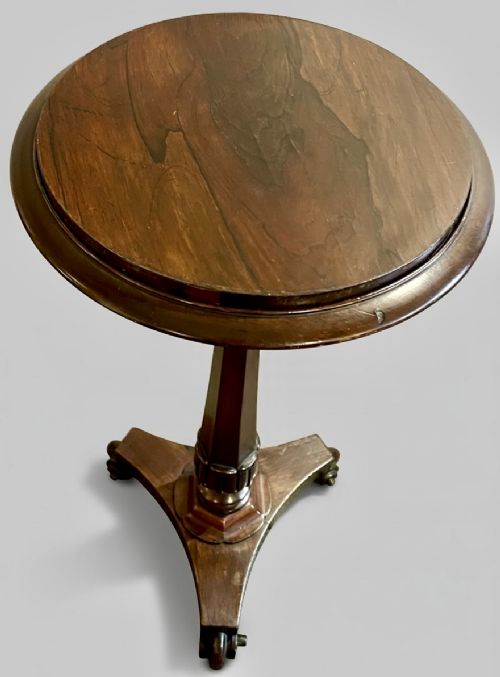
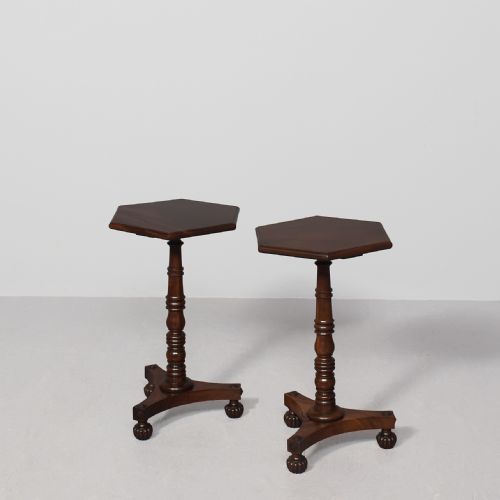
The standard form utilises a circular or octagonal top supported by a turned pedestal that divides into three legs. Variations extend to tilt-top mechanisms, reading stands, and specialised surfaces inlaid with marble or specimen woods.
Materials and Techniques
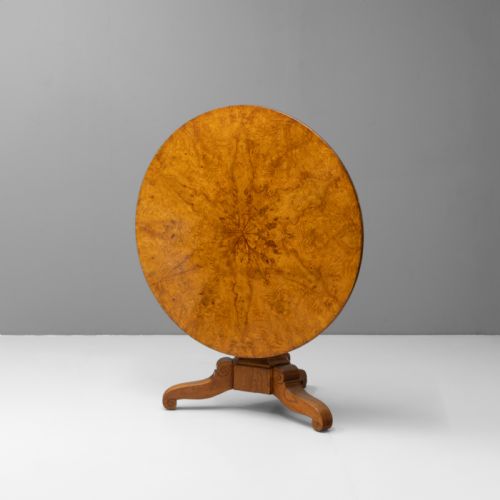
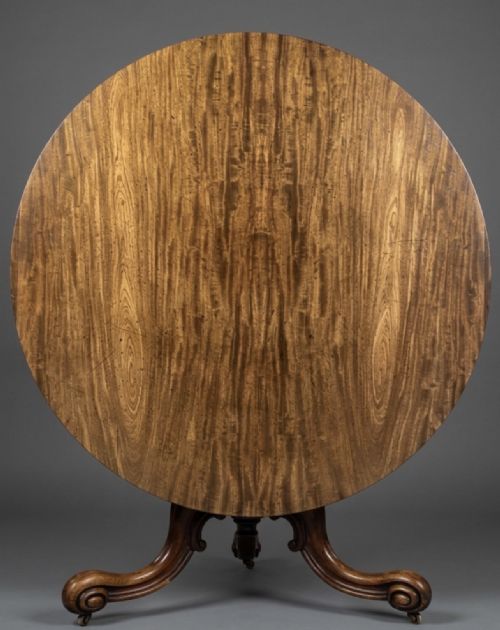
Cabinetmakers constructed these pieces using dense native timbers such as mahogany and oak, alongside imported tropical hardwoods like rosewood and burr maple. Flame mahogany veneer and pollard oak provided figured surfaces, frequently contrasted with brass mounts or leather inserts.
The central pillar often connects to the top via a bird-cage mechanism or a tilt-top catch, allowing the surface to fold flat when not in use. Heavy castors frequently sit beneath the scrolling tripod base to facilitate movement across carpeted floors.
William IV Tripod Table Retail Price Guide 2026
Typical asking prices for william iv tripod table among the pieces listed under this phrase on Sellingantiques today, from the lower quarter to the upper quarter. They describe what is for sale here now, not the wider market.
A few clever tables double as fire screens, letting you warm your shins and hold your wine simultaneously.
Distinctions in Execution
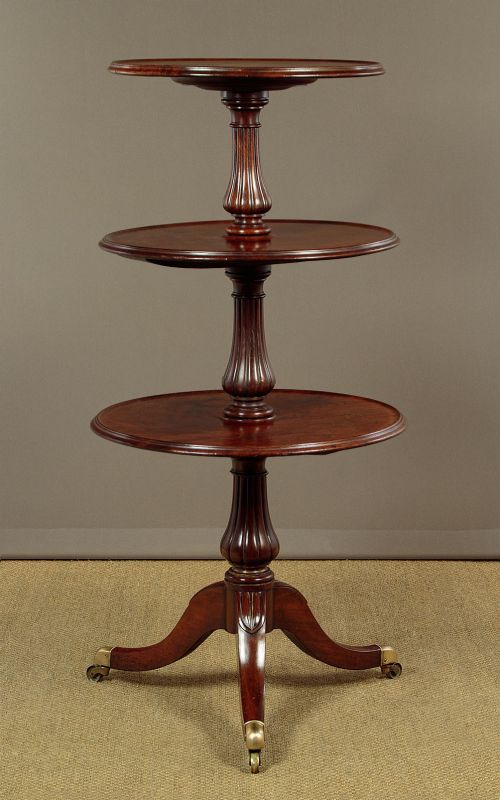
The distinction between ordinary and exceptional examples rests upon the choice of timber and the depth of carving on the pedestal base. Highly figured flame mahogany or dense rosewood, matched with intricate acanthus leaf carvings, separates bespoke commissions from standard production pieces.
Structural stability also dictates worth, as the joinery where the three legs meet the central column bears considerable weight over time. Solid brass fittings and precise mechanical catches for tilt-top variants denote higher standards of workshop construction.
Gillows of Lancaster
The William IV Tripod Table Glossary
- Tripod table
- A small freestanding table supported by a central pillar resting on three legs. This format gained widespread popularity during the eighteenth and nineteenth centuries for versatile household use.
- Tilt-top
- A hinged table mechanism allowing the surface to pivot into a vertical position. This saved floor space when the furniture was pushed against a wall.
- Bird-cage
- A rotating wooden frame situated beneath the table top that permits the surface to both pivot and turn. It typically includes small balusters resembling a cage structure.
- Specimen wood
- A decorative surface composed of various contrasting timbers arranged in geometric patterns or pictures. These tops demonstrate the high skill of nineteenth-century marquetry workers.
- Teapoy
- A small box or table designed to hold canisters of tea, frequently incorporating a pedestal base. They reflect the high social status of tea drinking in the period.
William IV Tripod Table: Frequently Asked Questions
What is a william iv tripod table used for?
These tables served primarily as mobile surfaces for holding wine glasses, lamps, or books beside seating areas in the principal rooms of a house. Their compact size allowed servants to reposition them easily according to daily domestic requirements.
In modern interiors, they function effectively as lamp stands, bedside surfaces, or decorative accents in hallways. The tilt-top variety offers the option to display the decorative wood grain vertically when space is limited.
How do I identify a william iv period piece?
Furniture from this era typically exhibits heavy, robust proportions with classical revival motifs such as scrolled acanthus leaves, reeded columns, and paw feet. The influence of preceding Regency styles remains visible, but with a heavier, more solid aesthetic.
Secondary woods like pine or oak may appear inside drawer linings or beneath tabletops, helping to confirm the period of manufacture. Construction methods usually combine traditional hand dovetailing with early machine-sawn components.
Are tilt-top mechanisms original?
The pivoting mechanism is generally contemporary with the manufacture of the table, serving a practical function for storage and display. Many examples retain their original brass or iron catches beneath the surface.
Careful inspection of the pivot block and surrounding wood will reveal whether the hinge assembly has undergone later repairs or replacement. Original fittings show consistent wear patterns matching the age of the timber.
Which woods are most common?
Mahogany forms the majority of surviving examples, often selected for its deep reddish tone and strength. Rosewood also appears frequently, particularly on pieces intended for formal reception rooms where darker, highly polished surfaces were fashionable.
More decorative variants incorporate flame mahogany veneer, pollard oak, or inlaid specimen marbles. The choice of timber often corresponds to the intended social function and room placement of the furniture.