



William IV Sterling Silver
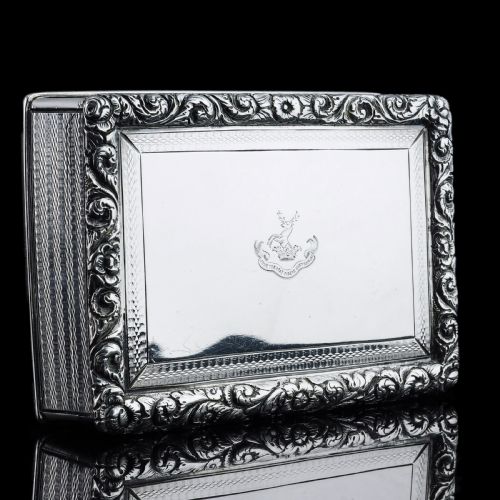
William iv sterling silver pieces unite Georgian restraint with exuberant ornamentation, offering collectors tactile silver gilt snuff boxes, vinaigrettes, and hollowware.
William IV Sterling Silver
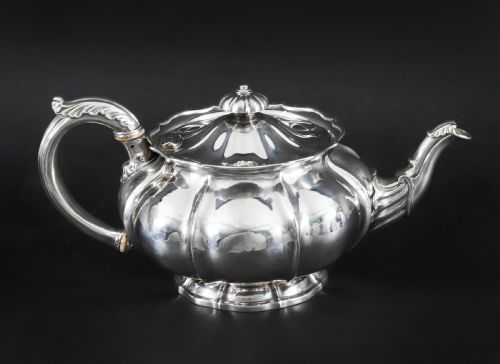
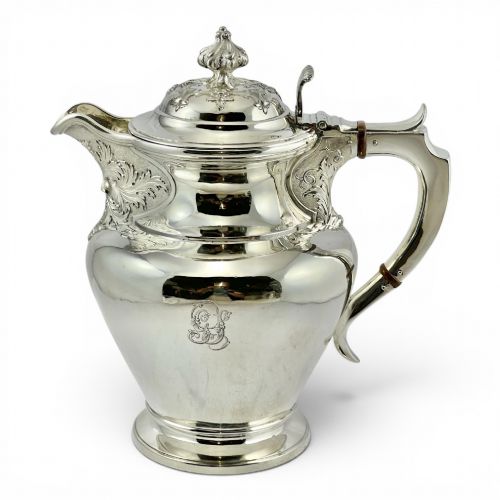
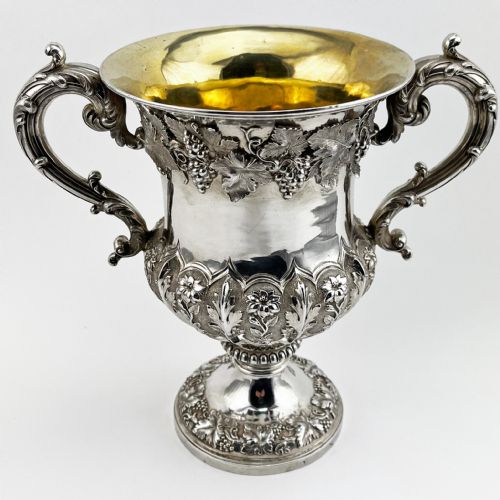
When you search for william iv sterling silver, you encounter functional and decorative items produced during the 1830s alongside overlapping Georgian and Regency periods. The forms range from small pocket vinaigrettes and snuff boxes to larger table services, teapots, trays, and chalices.
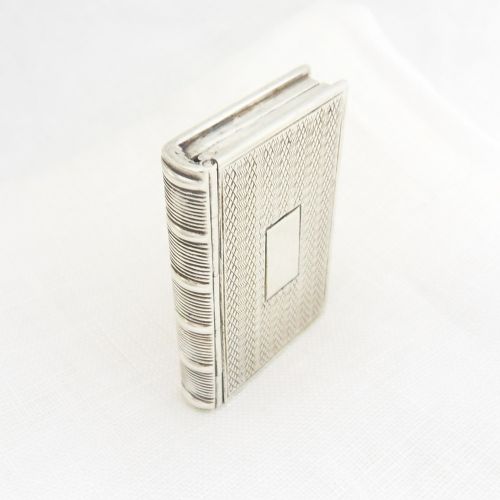
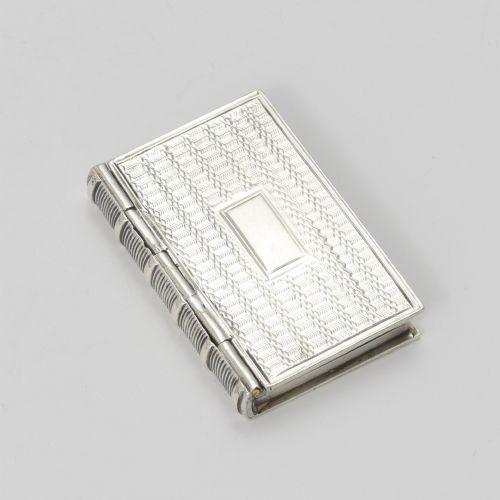
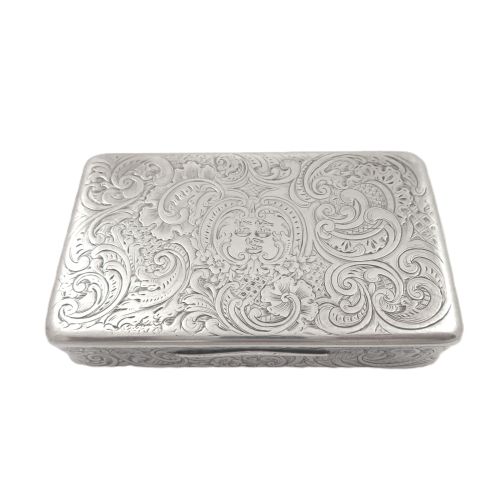
Pocket pieces dominate the selection, particularly book-form vinaigrettes and engine-turned tobacco containers. Alongside these, hollowware such as water jugs, mustard pots, and multi-piece tea and coffee services represent the domestic silver of the era.
Materials and construction
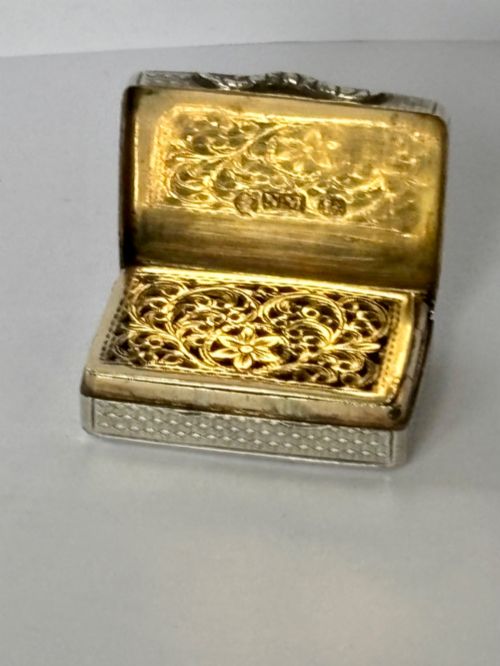
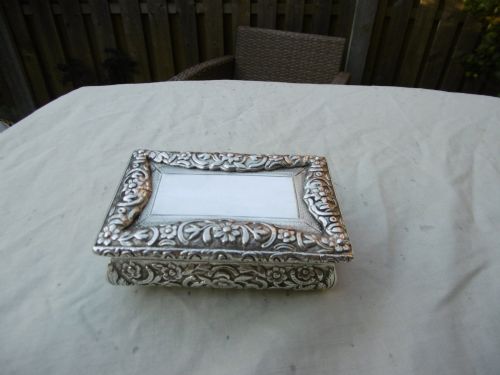
Silversmiths utilised sterling silver alongside silver gilt, vermeil, and bone, frequently applying intricate floral chased borders and engine-turning to the metal surfaces. Interior gilding protected vinaigrette grilles from the corrosive action of aromatics soaked into sponges.
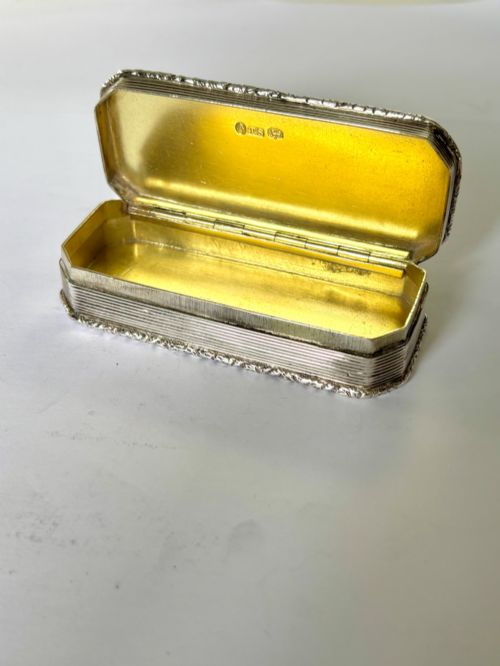
Hollowware and larger presentation pieces involved raising, casting, and piercing techniques, executed in workshops across London, Birmingham, Edinburgh, and Dublin. Maker marks and city hallmarks stamped into the silver record the specific assay office and artisan responsible for each object.
William IV Sterling Silver Retail Price Guide 2026
Typical asking prices for william iv sterling silver among the pieces listed under this phrase on Sellingantiques today, from the lower quarter to the upper quarter. They describe what is for sale here now, not the wider market.
A tiny sponge tucked inside a silver book still whispers of aromatic vinegar from the 1830s.
Quality factors in silver
The standard of a piece rests upon the crispness of its chasing, the precision of engine-turned patterns, and the integrity of hinges and clasps on small boxes. Heavy gauge metal contributes to a substantial feel in the hand, separating utilitarian items from thinner press-moulded goods.
The presence of original cases, intact parcel-gilt interiors, and legible hallmarks elevate an object's completeness. Workshops known for superior craftsmanship, such as those of Paul Storr or Nathaniel Mills, display a distinct finesse in ornamental detail.
Nathaniel Mills·Taylor And Perry·Joseph Wilmore·Thomas Shaw·Paul Storr·Jonathan Hayne·Charles Reily And George Storer·William Bateman·Edward Edwards·Joseph Craddock·William Eaton·John Caw·Edward Smith
The William IV Sterling Silver Glossary
- Vinaigrette
- A small ornamental box containing a perforated grill and a sponge soaked in aromatic vinegar. These portable containers were carried to combat unpleasant odours.
- Engine-turned
- A decorative technique involving a machine that etches geometric patterns into metal. This process produces precise, repeating textures across snuff boxes and cigar cases.
- Silver gilt
- Sterling silver coated with a thin layer of gold through electrolysis or fire gilding. This finish provides a rich yellow sheen, often applied to the interiors of boxes.
- Decanter label
- A small tag suspended by a chain around the neck of a decanter to identify the contents. Examples in this metal name specific beverages like sherry.
- Hollowware
- Table vessels such as teapots, jugs, chalices, and tureens shaped from sheet metal or cast components. These items form the larger domestic objects of the period.
William IV Sterling Silver: Frequently Asked Questions
What is a vinaigrette?
A vinaigrette is a small pocket container fitted with a hinged lid and an internal pierced grille. Inside rested a sponge soaked in scented vinegar to provide relief from foul odours.
These pieces often took the shape of books or engraved rectangles, functioning as personal accessories for the pocket or reticule.
How do I clean antique silver?
Cleaning requires a soft cloth and a specialised silver polish free from harsh abrasives. Gentle washing in warm soapy water removes accumulated dust without wearing down engraved details.
Avoid abrasive dips that strip the character from recessed chased areas and vintage parcel gilding.
How are these pieces dated?
Silversmiths stamped items with standardised assay office marks, date letters, and monarch's heads. These tiny punches identify the year of testing and the city where the metal was processed.
London, Birmingham, Edinburgh, and Dublin maintained distinct hallmarks that verify the origin of each object.
Can I use these silver items daily?
Most hollowware and tableware remain suitable for careful daily use, provided you wash them by hand immediately after service. Teapots, jugs, and decanter labels function just as they did in the nineteenth century.
Delicate vinaigrettes and antique boxes require more restraint to protect their internal gilding and fragile hinges from wear.