

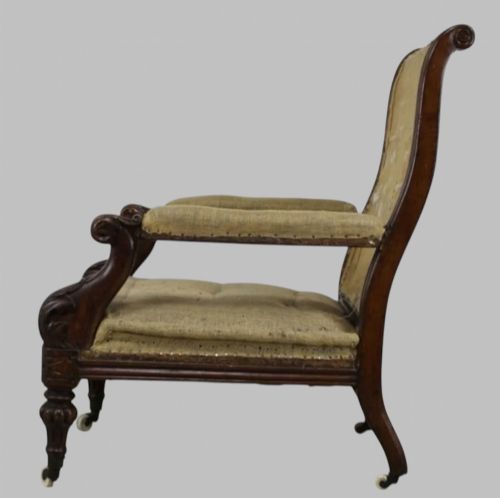
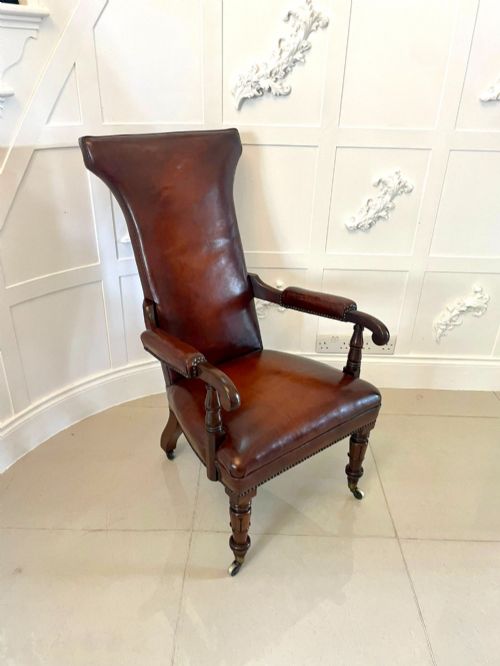
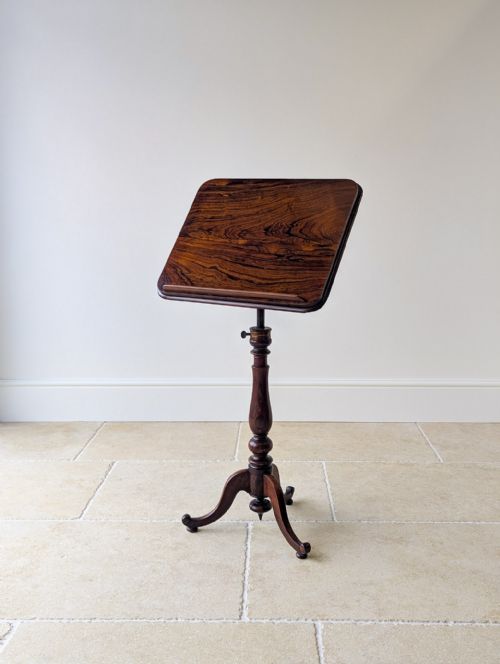


William IV Reading Desk
A william iv reading desk offers practical utility and architectural presence, combining adjustable book supports and writing surfaces from the nineteenth century.
William IV Reading Desk
When you search for a william iv reading desk, you encounter a specialised form of nineteenth-century furniture designed for study and comfort. These pieces bridge the gap between seating and writing furniture, often incorporating adjustable ledges or integrated writing slopes.
The selections span library chairs equipped with reading surfaces, tripod music stands, and multifunctional tables. Mahogany and rosewood dominate the forms, frequently paired with leather inserts and brass fittings from the Regency and Victorian periods.
Library armchairs with caned seats and integrated writing slopes appear alongside dedicated occasional tables and music stands. Most examples date from the nineteenth century, reflecting a period of refined cabinetmaking focused on erudite pursuits.
Materials and construction
Cabinetmakers utilised dense hardwoods such as mahogany and rosewood, sometimes turning to exotic timbers like gonçalo alves for tripod bases and decorative surfaces. These timbers were selected for their durability and rich grain patterns, providing a stable foundation for mechanical reading mechanisms.
Brass fittings, castors, and adjustable ratchets provided the necessary hardware for mechanical movement on stands and desks. Leather inserts formed writing surfaces, whilst cane panels provided resilient seating on library armchairs.
William IV Reading Desk Retail Price Guide 2026
Typical asking prices for william iv reading desk among the pieces listed under this phrase on Sellingantiques today, from the lower quarter to the upper quarter. They describe what is for sale here now, not the wider market.
Listings feature nineteenth-century items constructed from mahogany, rosewood, and gonçalo alves, incorporating leather and cane.
Distinctions in quality
The standard of timber selection and the complexity of the mechanism separate standard workshop pieces from superior examples. Finely figured rosewood and meticulously turned tripod supports indicate a higher level of cabinetmaking skill.
Integration of secondary functions, such as combined writing slopes and pivoting reading book rests, distinguishes the more ambitious designs. The precision of brass ratchets and the integrity of joined structural joints further define the upper tier of these pieces.
Gillows of Lancaster
The William IV Reading Desk Glossary
- Bergère
- A closed upholstered armchair with a wooden frame, where the sides are frequently filled with cane work. This technique provided lightweight and breathable seating for nineteenth-century libraries.
- Gonçalo Alves
- A dense exotic hardwood with striking contrasting grain patterns, utilised by cabinetmakers for decorative furniture accents. It appears on nineteenth-century tripod stands.
- Writing slope
- An inclined desk surface designed to provide an ergonomic angle for handwriting. These compartments often lift to reveal storage for stationery.
- Whatnot
- A piece of open shelving furniture designed for displaying books or objects, occasionally combined with reading stands. They utilise tiered platforms supported by slender uprights.
- Tripod base
- A three-legged support structure commonly found on music stands and occasional tables. This configuration ensures stability on uneven floors.
William IV Reading Desk: Frequently Asked Questions
What is a william iv reading desk?
A william iv reading desk is a nineteenth-century furniture form designed to hold books at an adjustable angle for comfortable study. These pieces often combine seating or tables with specialised mechanisms.
They reflect the functional demands of nineteenth-century libraries, where scholars required dedicated surfaces for reading and writing. Mahogany and rosewood are the predominant timbers used in their construction.
How were they used historically?
Historically, these items served gentlemen and scholars in libraries, studies, and drawing rooms for reading heavy folios and writing correspondence. The adjustable stands allowed readers to adjust the viewing angle.
Multifunctional versions also incorporated storage for papers or served as music stands for sheet music. They were positioned near windows or firesides for optimal illumination.
How do I style one at home?
You can integrate these pieces into a study or living room as functional accent furniture that holds open books or serves as a writing surface. Their dark timber tones complement traditional and eclectic interiors alike.
Pairing a library armchair with a reading stand creates a dedicated zone for quiet reading. The rich grain of rosewood and mahogany adds warmth to a room.
How do I identify the period?
Identifying the period involves examining the timber species, joinery techniques, and decorative motifs characteristic of nineteenth-century cabinetmaking. Heavy use of rosewood and mahogany points towards the Regency and Victorian eras.
Specific design traits, such as robust scroll arms and turned tripod legs, align with the William IV aesthetic. Hardware like brass castors also helps confirm the nineteenth-century origin.