


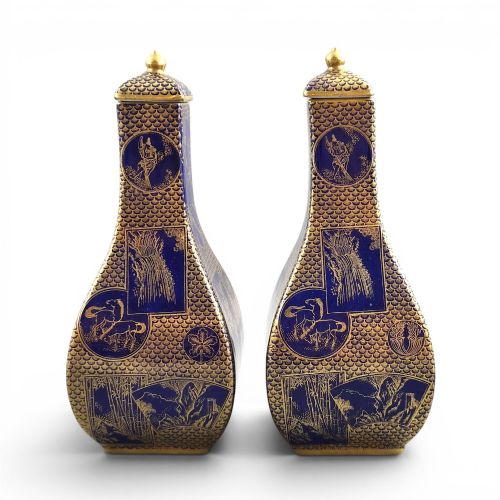


William IV Ceramic
William iv ceramic encompasses nineteen-century vessels, plaques and tableware displaying the distinctive styles of the period.
William IV Ceramic
William iv ceramic items comprise a diverse selection of nineteenth-century objects including vases, comports, jugs, wall art and decorative plates. These pieces bridge late Georgian tastes and early Victorian ornamentation, capturing the transitional decorative arts of the eighteen-thirties.
Buyers encountering this group will most frequently find English porcelain and earthenware items originating from around eighteen-thirty. Tableware, cabinet plates and painted plaques dominate the current selection, reflecting the era's focus on elaborate domestic display.
Makers and factories of the time utilised rich coloured grounds, hand-painted botanical motifs and applied floral decoration. Forms range from utilitarian jugs and coat racks to elaborate wine coolers and figural candlesticks.
Evaluating Quality
Excellence in these ceramics rests upon the crispness of the moulded relief and the precision of the hand-painted enamels. Superior examples demonstrate careful brushwork in floral panels and landscapes, paired with clean, well-preserved gilding.
The sophistication of the ceramic body and the depth of the glaze also separate standard production wares from premier cabinet pieces. Factory marks, where present, help confirm the origin and production standard of the item.
William IV Ceramic Retail Price Guide 2026
Typical asking prices for william iv ceramic among the pieces listed under this phrase on Sellingantiques today, from the lower quarter to the upper quarter. They describe what is for sale here now, not the wider market.
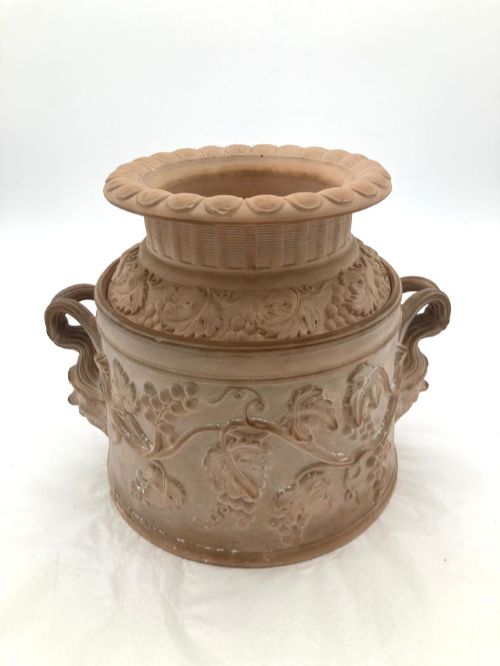
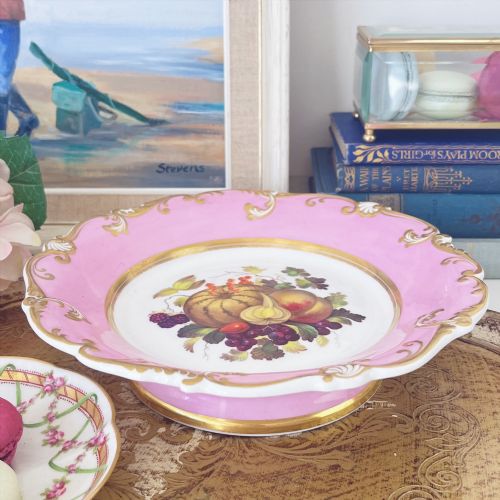
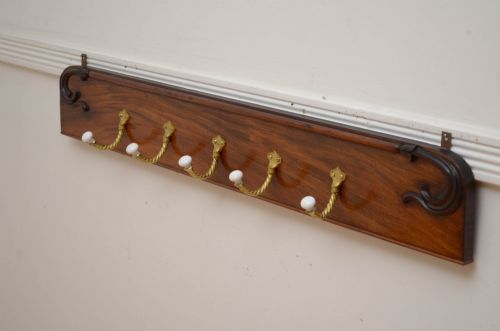
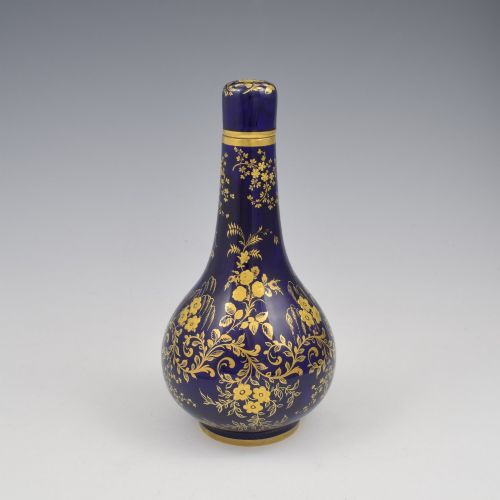
Listed forms feature vases, wine coolers, comports, coat racks, decorative plates, jugs and baskets.
H & R Daniel·Mason's·Copeland·Rockingham·Minton·Derby Porcelain
The William IV Ceramic Glossary
- Comport
- A footed dish used for serving fruit or sweets at formal dining tables. These elevated vessels often feature painted porcelain bowls and decorative handles.
- Ironstone
- A heavy, durable ceramic body patented in the nineteenth century to imitate Chinese porcelain. It offers increased strength for large vases and tableware.
- Gilding
- The application of gold leaf or gold paint to ceramic surfaces for decorative emphasis. This technique highlights moulded borders, handles and rims.
- Plaque
- A flat panel of porcelain intended for mounting or hanging as wall art. They typically display detailed hand-painted scenes or portraits.
- Tazza
- A shallow bowl mounted on a stem and foot, used alongside comports for dessert service. They frequently showcase vibrant coloured grounds and botanical painting.
William IV Ceramic: Frequently Asked Questions
What is william iv ceramic?
William iv ceramic refers to pottery and porcelain produced in Britain during the nineteenth century, particularly around the eighteen-thirties. These pieces showcase styles ranging from Regency elegance to early Victorian revivalism.
Items include cabinet plates, vases, jugs and comports, often decorated with hand-painted flowers, landscapes and rich gilding.
How were these ceramics used?
Many of these pieces served practical functions in nineteenth-century dining rooms, such as cooling wine, serving fruit or holding liquids. Others were strictly decorative cabinet items designed to display wealth and artistic taste.
Plagues and wall art were hung in parlours, while figural candlesticks and vases adorned mantelpieces.
How do I care for my ceramic pieces?
Porcelain and earthenware from this period require gentle handling to protect delicate gilding and hand-painted enamel surfaces. Dusting with a soft, dry cloth is usually sufficient for maintenance.
Avoid using harsh cleaning agents or immersing gilded items in water for extended periods, as this can damage the historic glaze and decoration.