




White Wooden Chest
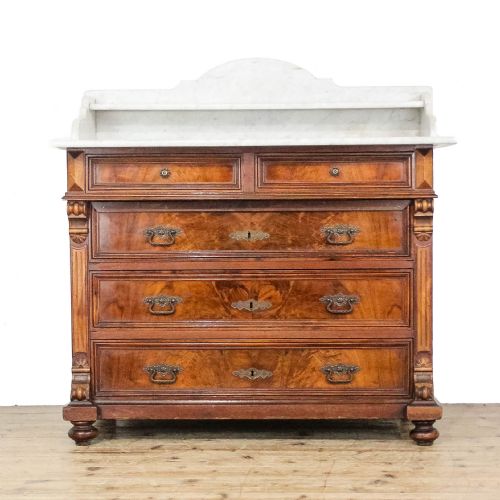
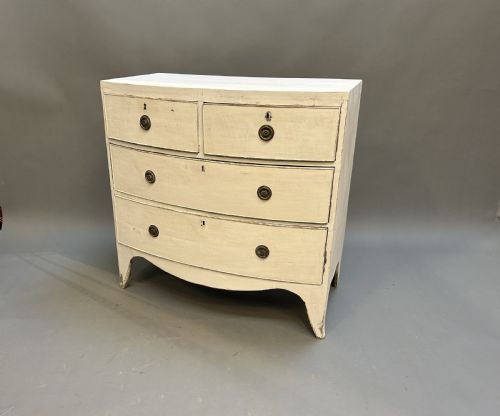
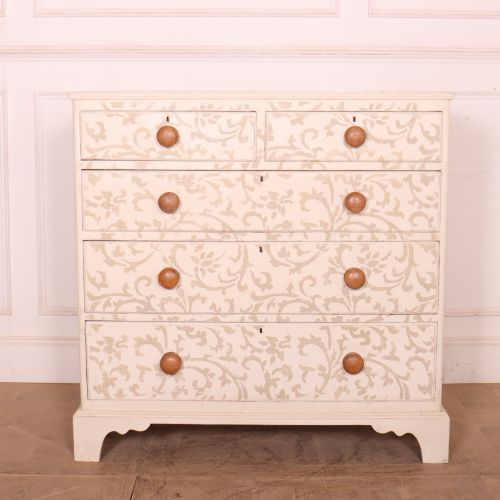
A white wooden chest offers robust storage dressed in pale paint, ranging from rustic Scandinavian commodes to elegant Edwardian drawers.
White Wooden Chest
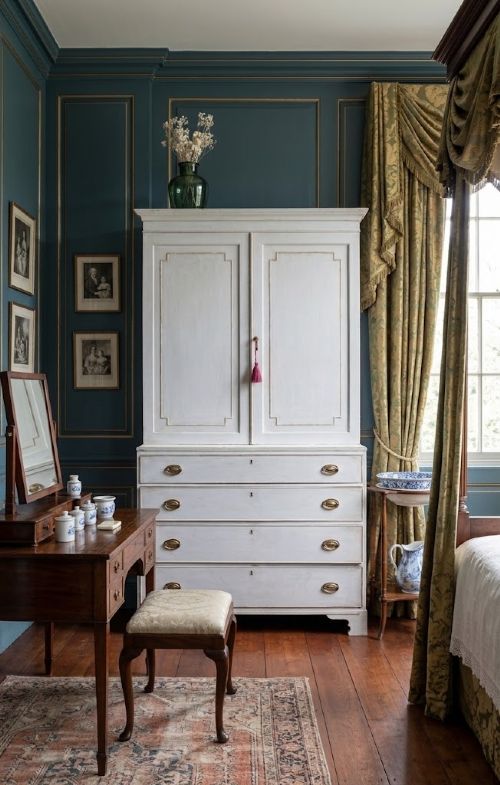
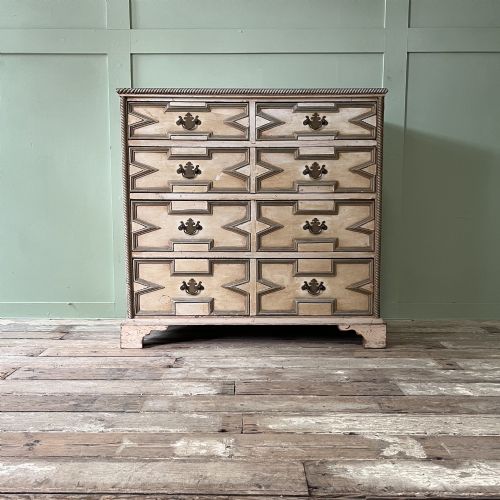
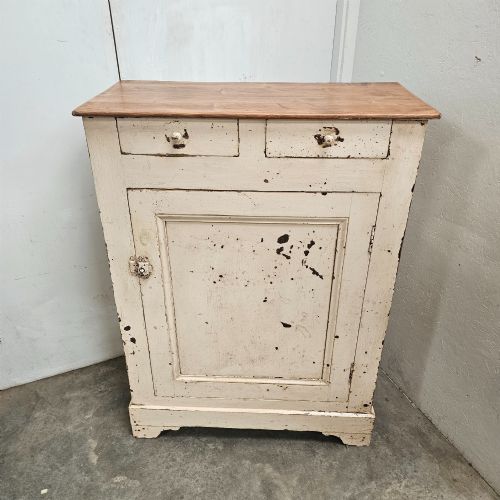
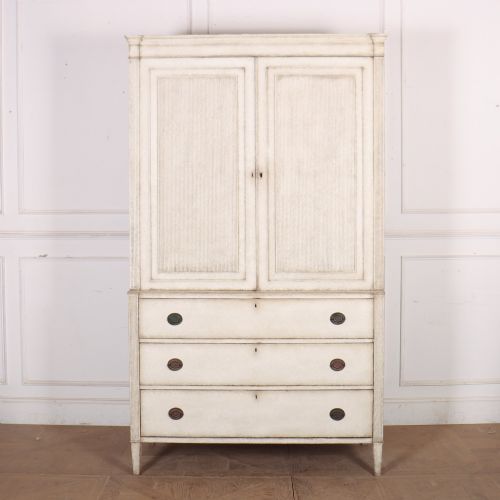
A white wooden chest encompasses a varied selection of painted pine and hardwood storage forms, including traditional chests of drawers, blanket boxes, and commodes. You are most likely to encounter 19th-century French and Scandinavian pieces finished in pale or white paint.
The category extends beyond simple bedroom drawers to embrace decorative Italian serpentine commodes, Edwardian drawer units, and country blanket boxes. These items serve practical storage needs while bringing light, painted surfaces to interior spaces.
Origins span across Britain, France, Sweden, and Italy, reflecting diverse regional aesthetics from French Provincial to Gustavian styles. This geographic spread introduces distinct carved details, marble tops, and chequered patterns to the basic form.
Construction and materials
Makers utilised solid pine and regional hardwoods as the primary structural bodies, often applying multiple layers of paint to achieve a durable white or pale finish. Iron and brass hardware, including handles and key escutcheons, provide functional contrast to the wooden surfaces.
Joinery techniques range from straightforward country construction in blanket boxes to sophisticated serpentine shaping in 18th-century Italian and French commodes. Selected pieces incorporate carved decorative elements and fitted marble tops atop the wooden carcase.
White Wooden Chest Retail Price Guide 2026
Typical asking prices for white wooden chest among the pieces listed under this phrase on Sellingantiques today, from the lower quarter to the upper quarter. They describe what is for sale here now, not the wider market.
Object types range from standard chests of drawers and commodes to Japanese porcelain plates complete with storage boxes.
Qualities of distinction
Superior examples display sophisticated cabinet-making, such as fluid serpentine fronts and intricate carving integrated directly into the wooden structure. The integrity of the original or period-applied paint surface significantly influences the character and standing of each piece.
The refinement of hardware, from simple iron fastenings to finely cast brass fittings, marks the difference between utilitarian country items and high-status urban commissions. Thoughtful proportions and balanced decorative motifs further separate standard utilitarian storage from exceptional craftsmanship.
Edwards and Roberts·Sir Clough Williams-Ellis
The White Wooden Chest Glossary
- Commode
- A low chest of drawers or cabinet, frequently featuring decorative painted finishes or serpentine fronts originating from continental Europe. These pieces often served formal bedroom or reception spaces.
- Serpentine front
- A furniture front curved in a wave shape, convex at the centre and concave at the sides. This technique requires advanced woodworking skill to execute properly.
- Gustavian
- The Swedish interpretation of neoclassical style, characterised by pale painted finishes, restrained carving, and functional elegance. It dominates much of the Scandinavian painted furniture tradition.
- Confiturier
- A French cupboard traditionally utilised for storing jars of confit and preserves. These tall, single-door cupboards provide compact vertical storage.
- Linen press
- A tall piece of furniture designed for storing folded textiles and garments, typically combining upper cupboard space with lower drawers. They offer substantial capacity for domestic storage.
White Wooden Chest: Frequently Asked Questions
How do I clean a painted wooden chest?
Dust the surface regularly with a soft, dry cloth to prevent dirt accumulation on the painted finish. Avoid harsh chemical cleaners that might degrade historical paint layers.
For stubborn marks, use a slightly damp cloth with mild soap, drying the wood thoroughly immediately afterwards. Protect the painted surface from direct heat and excessive moisture.
What is a French commode?
A French commode is a low chest of drawers, often standing on relatively tall legs and featuring decorative painted or carved details. They were designed for fashionable domestic interiors.
Originating in various regional styles like French Provincial or Chateau, these pieces combine practical drawer storage with ornamental elegance.
Are these chests made of solid pine?
Many of the country and continental pieces utilise solid pine as the primary timber carcase. Other examples incorporate various regional hardwoods depending on their origin.
The choice of wood typically aligns with the piece's style, whether rustic Scandinavian country or refined Edwardian cabinet-making.
How do I identify a Gustavian piece?
Gustavian furniture is identified by its pale, often white or grey painted finishes and restrained neoclassical motifs. The style reflects Swedish interpretations of French Louis XVI design.
Look for simplified fluting, subtle carving, and balanced proportions that emphasise light and utility over heavy ornamentation.