




White Stone Pedestal
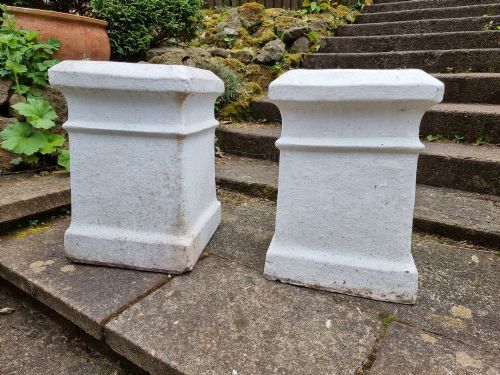
A white stone pedestal supports classical sculpture, grand lamps and garden urns with architectural presence.
White Stone Pedestal
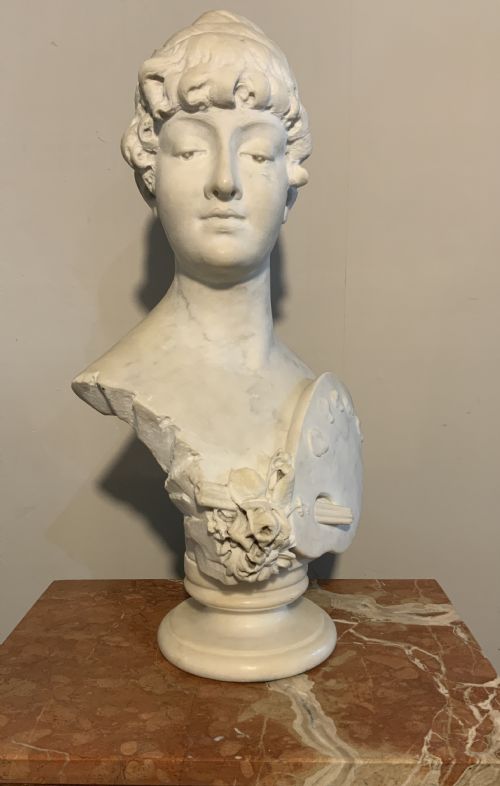
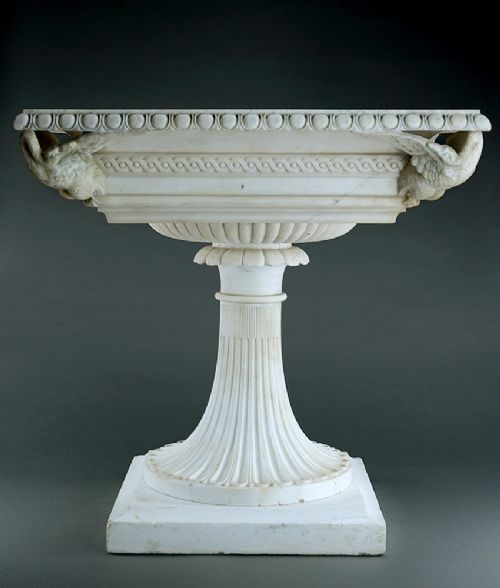
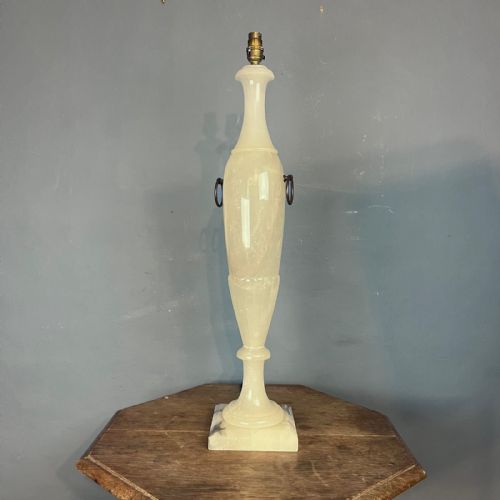
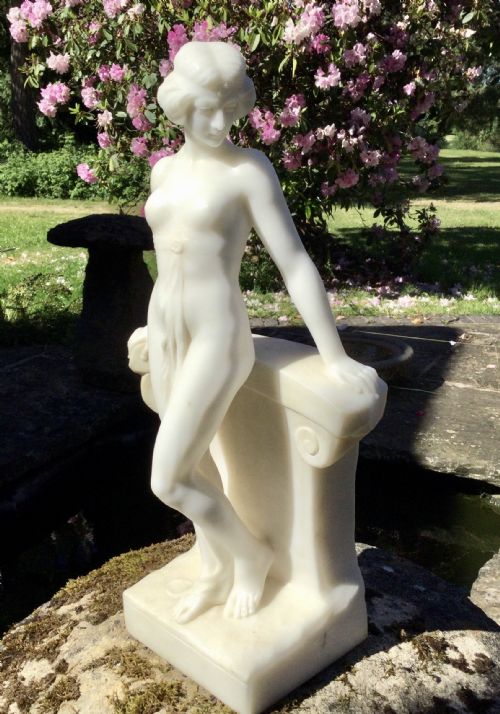
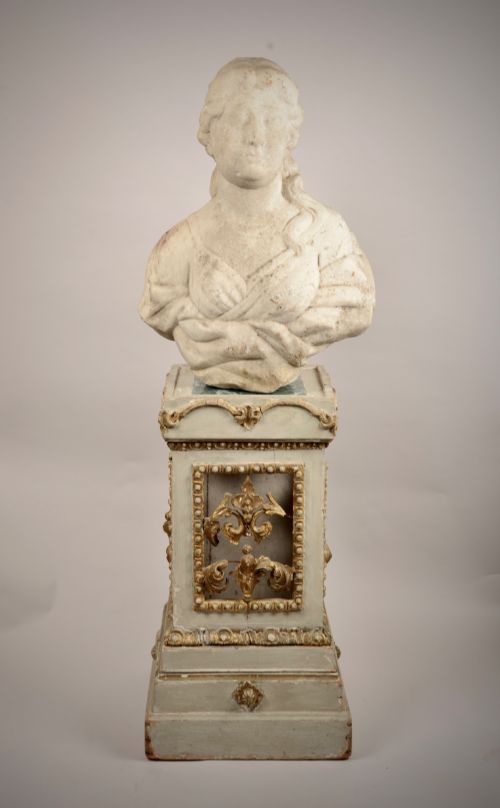
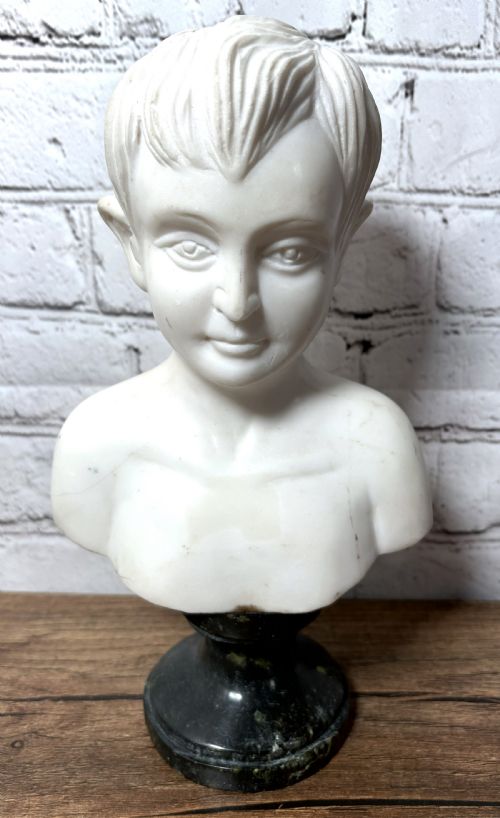
A white stone pedestal serves as a solid architectural mount for classical busts, tazza urns and sculptural figures. Buyers seeking a white stone pedestal encounter carved columns, torchere stands and garden plinths spanning from the seventeenth century through to the Art Deco era.
How they were made
Masons and sculptors shaped these pieces from natural blocks of marble, alabaster, stone and limestone, employing hand chisels and turning lathes for columns and urns. Workshops in Italy and Britain utilised traditional masonry techniques to achieve smooth surfaces, fluted columns and intricate acanthus leaf carvings.
Certain objects integrate contrasting elements, combining carved alabaster or marble with brass mounts, painted details and wooden components. Surface finishes range from polished Carrara marble to the softer, translucent qualities characteristic of carved alabaster lamps and plant stands.
Listings feature structural forms spanning the seventeenth, eighteenth, and nineteenth centuries, alongside twentieth-century revivals.
What varies in quality
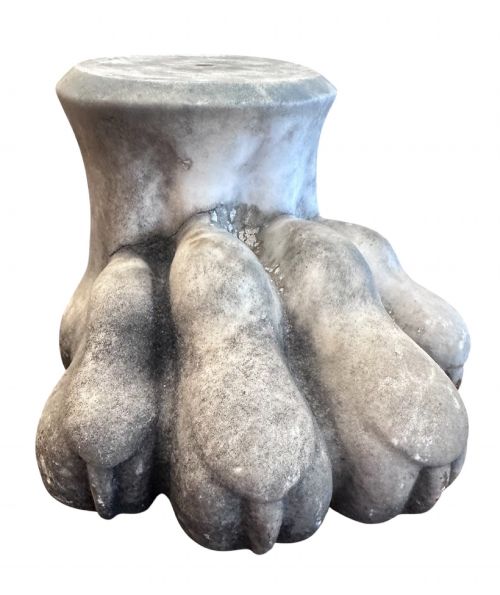
The calibre of a piece rests upon the purity of the stone and the crispness of the hand-carved detailing, particularly on acanthus leaves, lion paws and classical mouldings. Superior examples demonstrate precise architectural proportions and a harmonious balance between the supporting column and the upper vessel or bust.
Age and provenance further distinguish the selection, with seventeenth and nineteenth-century Italian Grand Tour pieces showing distinct sculptural depth compared to later revival items. The integration of high-grade materials like Carrara or Arabescato marble elevates the overall substance of the work.
John Wenlock Rollins·Eduardo Giolli
The White Stone Pedestal Glossary
- Carrara marble
- A type of white or blue-grey marble quarried in the city of Carrara in Tuscany, widely used for classical sculpture and architectural pedestals.
- Tazza
- A wide, shallow saucer-like dish or urn mounted on a stem and foot, frequently carved from marble or alabaster.
- Torchere
- A tall stand or ornamental column designed to carry a lamp, light or sculptural figure.
- Grand Tour
- A cultural tour of Europe undertaken by wealthy young men in the eighteenth and nineteenth centuries, resulting in the acquisition of souvenir marbles and bronzes.
- Pietra dura
- An artistic technique of using cut and fitted polished coloured stones to create images on a base.
White Stone Pedestal: Frequently Asked Questions
How do I style a stone pedestal at home?
Position a white stone pedestal as a standalone architectural element in a hallway or corner to anchor the space. Place a complementary bronze figure, marble bust or heavy ceramic urn on top to complete the classical arrangement.
Ensure the weight of the display object matches the structural capacity of the column. Keep the surrounding area uncluttered so the carved details of the stone remain visible.
Are these pedestals suitable for outdoor use?
Weather resistance depends entirely on the specific material used in construction. Harder stones like limestone and certain marbles endure outdoor garden conditions, whereas softer materials such as alabaster require indoor placement.
Protect vulnerable stone pieces from frost and standing water during winter months. Indoor alabaster lamps and polished columns must stay away from damp environments.
How do I clean carved marble and alabaster?
Dust the carved surfaces regularly with a soft, dry cloth to prevent grime accumulation in the recesses of the stone. Avoid harsh chemical cleaners, acidic solutions and excessive water, particularly on porous alabaster.
Consult a specialist conservator for deep cleaning or repairing structural chips on antique marble. Gentle maintenance preserves the natural patina developed over centuries.
How do I identify a Grand Tour marble piece?
Grand Tour pieces typically date from the nineteenth century and replicate famous classical sculptures or architectural ruins found in Italy. They often feature specimen marbles, obelisk forms or miniature labrums acquired by travellers.
Examine the base and underside for old dealer labels, collection numbers or the characteristic weathering of nineteenth-century handling. The fine-grained execution reflects the work of skilled Italian souvenir carvers.