



White Stone Lion
These white stone lion carvings and figures bring powerful architectural presence to rooms and gardens alike, drawing the eye with their enduring sculptural strength.
White Stone Lion
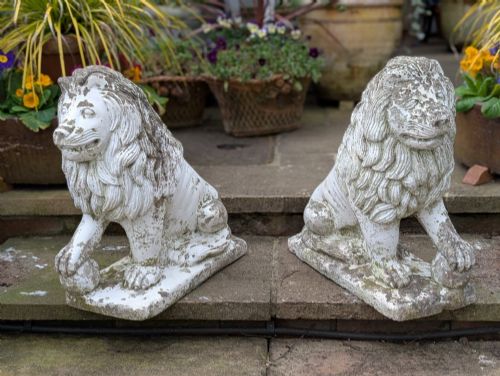
When you search for a white stone lion, you are looking at carved figures, architectural ornaments, and garden statuary spanning several centuries. The material evidence on this page ranges from robust 19th Century garden pieces to earlier carved marble works.
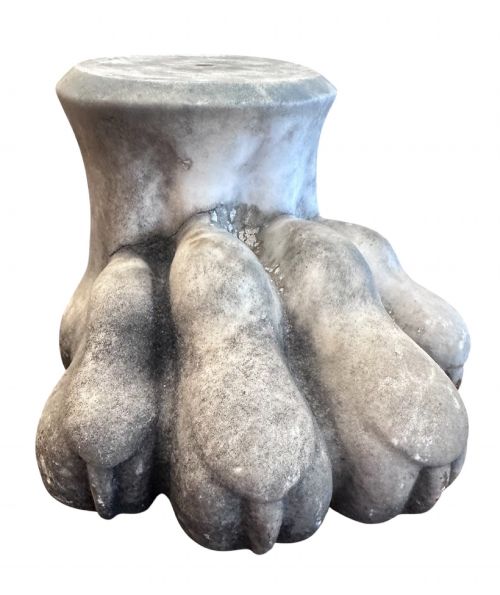
The versions you are most likely to meet here include substantial garden statues and smaller decorative sculptures. Formats vary from stately pairs of resting beasts to architectural fragments and console table supports.
Origins stretch from traditional European studios, featuring Italian marble and French forms, to Chinese jade type desk seals and Art Deco alabaster interpretations. Each period brings its own characteristic stance and treatment of the subject.
How they were made
Makers shaped these figures primarily from solid marble, stone, and cast stone, working the material with traditional chisels and carving tools. Alabaster and jade types appear in smaller desk items, finished with smooth polishing.
Surface treatments in the evidence include painted finishes and traces of original paint applied to stone and wood. These finishes highlight anatomical details and add texture to the sculptural forms.
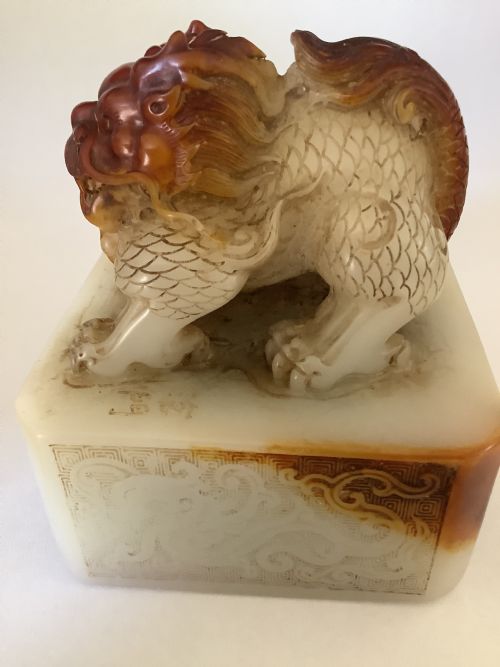
One listed desk seal depicts a dog of fo keeping watch from atop a chunky block, proving lions come in many breeds.
What varies in quality
The distinction between ordinary and exceptional pieces lies in the anatomical precision and the depth of the carving. Superior examples capture the muscular tension and facial expression of the animal with lifelike conviction.
Proportion and the handling of the stone separate monumental garden statuary from more basic architectural ornaments. The best pieces show a confident command of form, whether rendered in Italian marble or cast stone.
The White Stone Lion Glossary
- Marble
- A metamorphic rock prized by sculptors for its fine grain and ability to take a smooth polish. It forms the primary material for many classical statues.
- Cast stone
- A refined building product manufactured from aggregate and binder, poured into moulds to replicate natural carved stone. It allows for consistent detail in garden ornaments.
- Architectural salvage
- Elements rescued from buildings scheduled for alteration or demolition. These pieces often include stone carvings and structural fragments.
- Desk seal
- A small handheld implement featuring an engraved base for stamping wax documents. Examples in the evidence depict carved figures on chunky blocks.
- Console table
- A wall-mounted or bracket-supported table often featuring decorative bases such as animal paws or figural supports. They frequently appear in grand interiors.
White Stone Lion: Frequently Asked Questions
Where should I place a stone lion?
Large stone lions and garden statuary suit entranceways, porticoes, and garden settings where they can anchor the surrounding space. Weathered stone and marble handle outdoor environments well over time.
Smaller sculptures and desk seals belong indoors on consoles, desks, or mantelpieces. These finer items require protected interior conditions away from heavy moisture.
How do I care for marble and stone?
Clean exterior stone and marble gently with water and mild detergent to remove biological growth without damaging the surface. Avoid harsh chemical cleaners that strip the natural patina.
Interior items need only dusting with a soft cloth. Keep unsealed stone away from greasy substances that might stain the porous material.
How can I tell the period of a carving?
Examine the tool marks, weathering patterns, and the stylistic conventions of the carving. 19th Century Italian and French works often follow Neoclassical or Baroque traditions with distinct anatomical emphasis.
Compare the handling of the material against dated examples from similar workshops. Art Deco and 19th Century pieces display different approaches to smoothing and stylising the subject.
What is the difference between marble and cast stone?
Natural marble is quarried stone showing individual crystalline structures, natural veining, and hand-carved tool marks. Each piece is entirely unique.
Cast stone is a manufactured composite poured into a mould. It often reveals a uniform texture and lacks the distinct chisel marks found on hand-carved blocks.