


White Shade Table Light
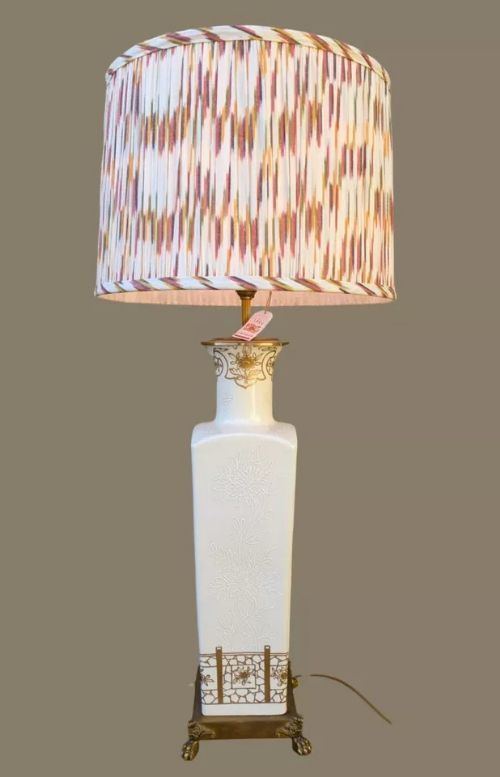
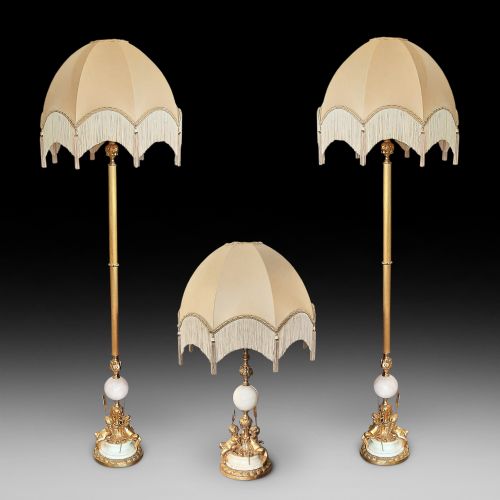
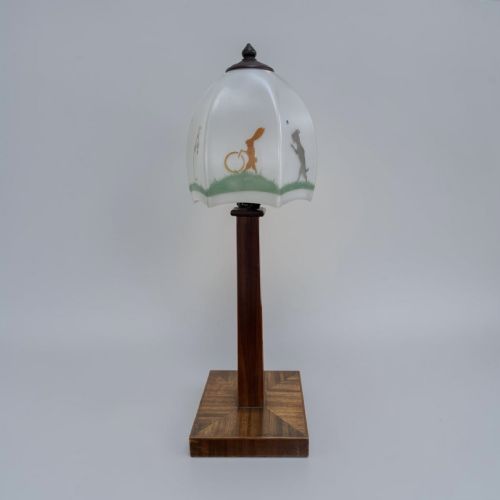
A white shade table light brings a soft illumination to a room, pairing sculptural bases with pale fabric or glass covers.
White Shade Table Light
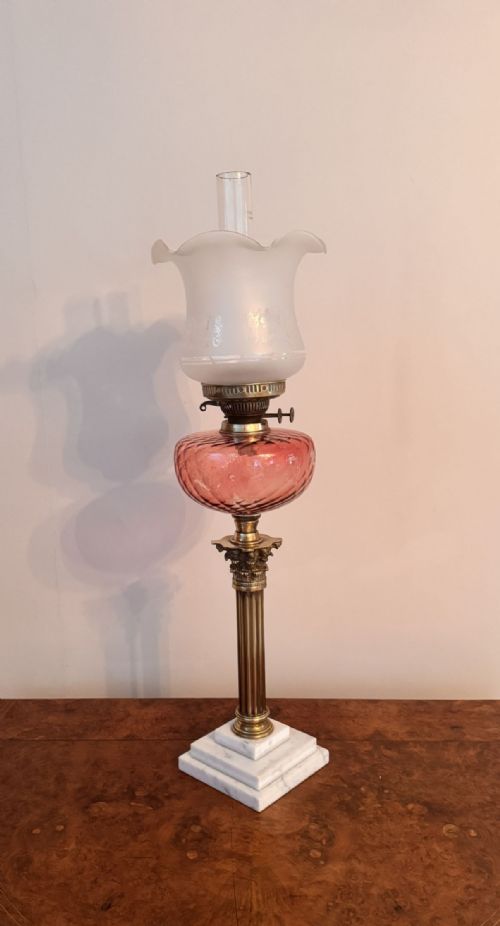
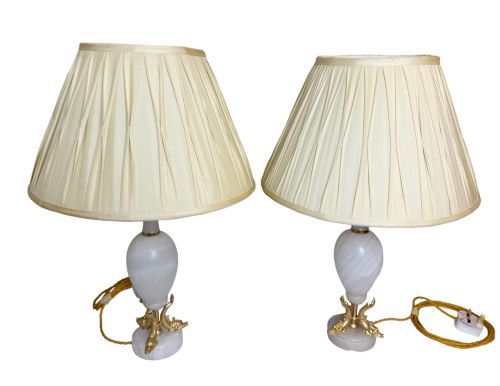
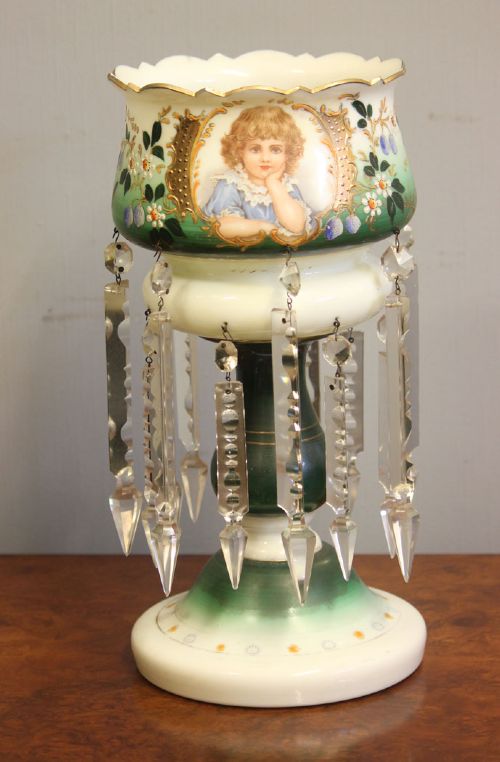
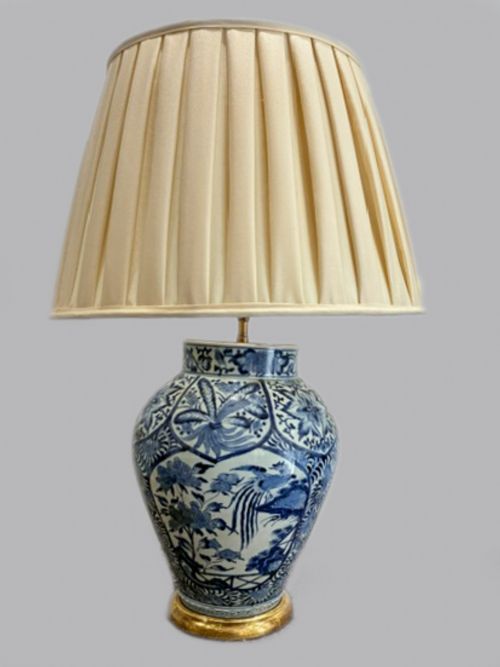
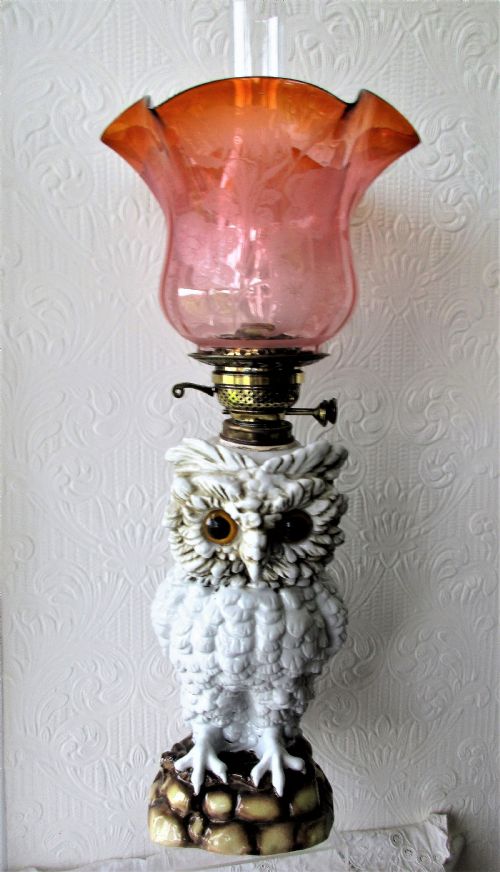
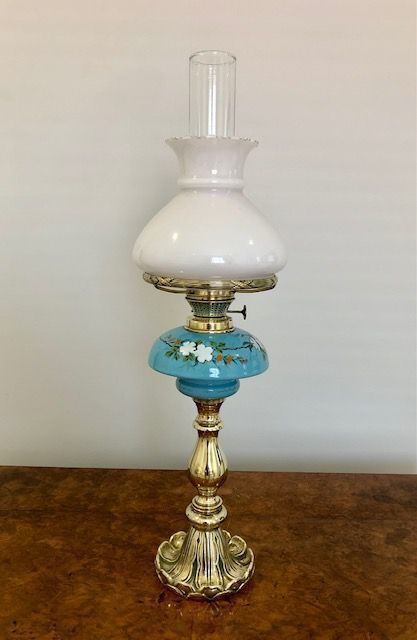
A white shade table light encompasses practical desk pieces, decorative mantel lustres, and converted oil lamps designed for interior illumination. These objects originate across the nineteenth and early twentieth centuries, drawing on Victorian, Edwardian, and Art Deco traditions.
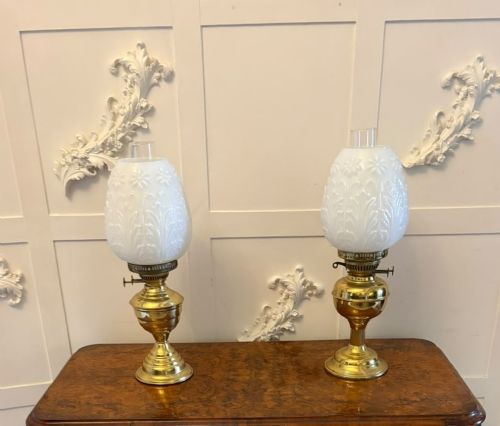
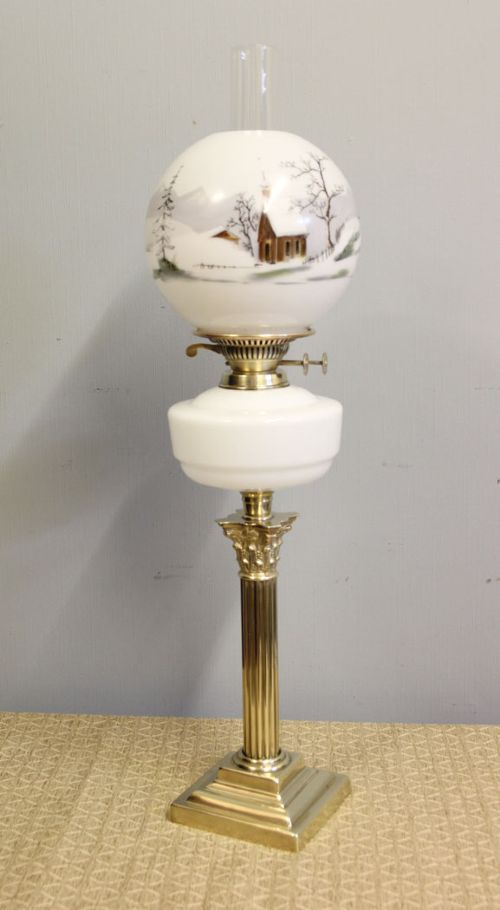
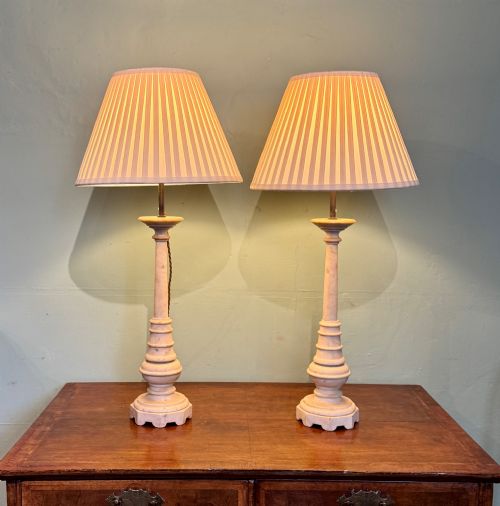
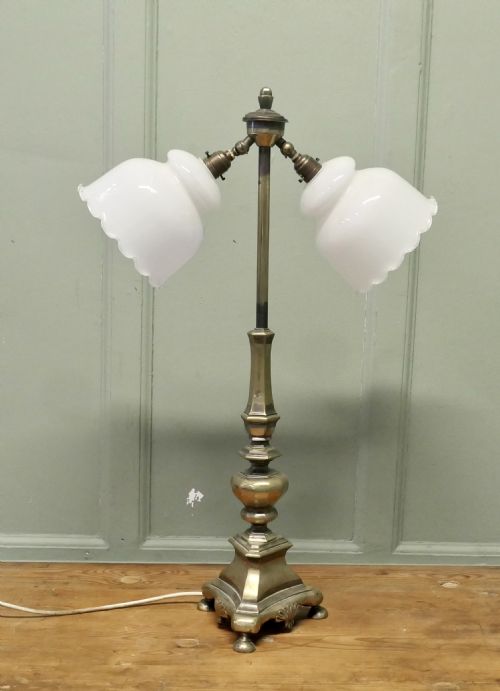
The selections available here lean heavily towards converted brass oil lamps, carved alabaster columns, and ceramic or porcelain vases fitted for electricity. Such pieces often combine historic manufacturing methods with later functional adaptations for domestic use.
How they were made
Craftsmen utilised durable metals like brass and silver plate alongside carved stone, including marble, onyx, and alabaster, to form the structural bodies. Porcelain and opaline glass also appear frequently, shaped through traditional casting, moulding, and turning techniques.
Shades are constructed from fabric, silk, or moulded glass, often paired with decorative gilt bronze or ormolu mounts. Metal components typically show cast or patinated finishes developed during the Victorian and Edwardian eras.
White Shade Table Light Retail Price Guide 2026
Typical asking prices for white shade table light among the pieces listed under this phrase on Sellingantiques today, from the lower quarter to the upper quarter. They describe what is for sale here now, not the wider market.
Object types recorded on this site include table lamps, oil lamps, mantel lustres, and desk lamps.
What varies in quality
The degree of refinement in the base material largely distinguishes standard examples from finer works, particularly in the crispness of carved alabaster or the weight of cast brass. Superior items often display intricate hand-finishing on metal mounts or detailed painting on porcelain bodies.
Proportion and material integrity also separate productions, where heavier stone bases and substantial metal gauges denote higher manufacturing standards. The integration of period-appropriate shades with solid structural mounts further separates better examples from simpler utilitarian conversions.
Sitzendorf Porcelain·Wild And Wessel·Farraday And Son
The White Shade Table Light Glossary
- Opaline Glass
- A type of semi-translucent white glass popular in nineteenth-century lighting and decorative objects. It diffuses light evenly through its milky composition.
- Mantel Lustre
- An ornamental tabletop vase fitted with hanging glass prisms. These pieces decorate mantelpieces rather than provide primary room illumination.
- Alabaster
- A fine-grained stone used for carved lamp bodies and architectural columns. Its natural translucence allows light to glow through the material.
- Ormolu
- Gilt bronze ornamentation applied to furniture and lighting bases. The technique involves treating metal with a finely ground gold-mercury amalgam.
- Chinoiserie
- European decorative style reflecting Chinese artistic traditions. This aesthetic appears on porcelain vases and lamps produced across various centuries.
White Shade Table Light: Frequently Asked Questions
What periods do these lamps come from?
The listings include pieces originating from the nineteenth century through the early twentieth century, spanning Victorian, Edwardian, and Art Deco eras.
Specific periods reflect changing domestic lighting technology, moving from burning oil through to early electrical adaptation.
Were all these lamps originally electric?
Many examples began as oil lamps, desk lights, or ceramic vases before receiving later conversions for electrical use.
Original fuel reservoirs and burners are frequently adapted to house modern internal wiring and lamp holders.
How do I care for alabaster bases?
Alabaster requires gentle dusting with a dry, soft cloth to protect the porous stone surface from moisture damage.
Harsh chemical cleaners should be avoided entirely to preserve the natural finish of the carved material.
What materials make up the shades?
Shades are constructed from fabric, silk, or moulded opaline glass to complement the various metal and stone bases.
These materials soften the bulb output while matching the period aesthetic of the supporting lamp body.