



Vintage Lighting Interior
These vintage lighting interior pieces illuminate rooms with period character, offering brass, bronze, and glass forms that collectors and designers seek for authentic spaces.
Vintage Lighting Interior
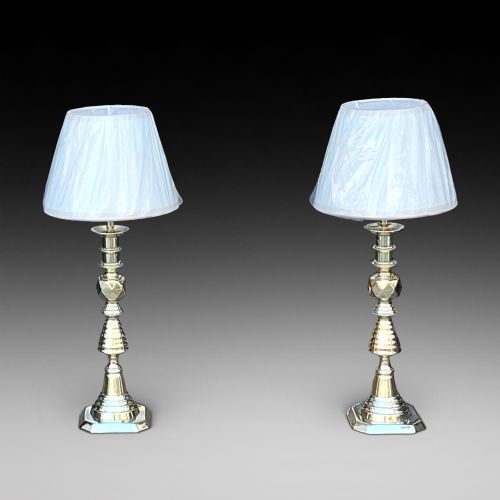
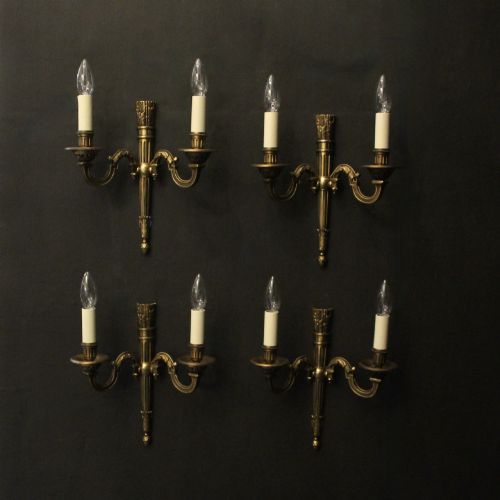
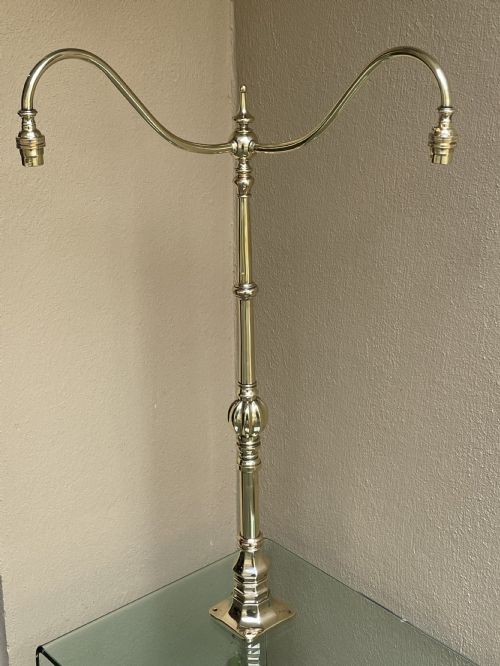
When searching for vintage lighting interior, buyers encounter a diverse selection of wall lights, wall sconces, table lamps, newel post lamps, pendant lanterns, and candlesticks spanning multiple decades. The available pieces include French Empire gilt bronze, Edwardian brass, and later Art Deco designs suited for period interiors.
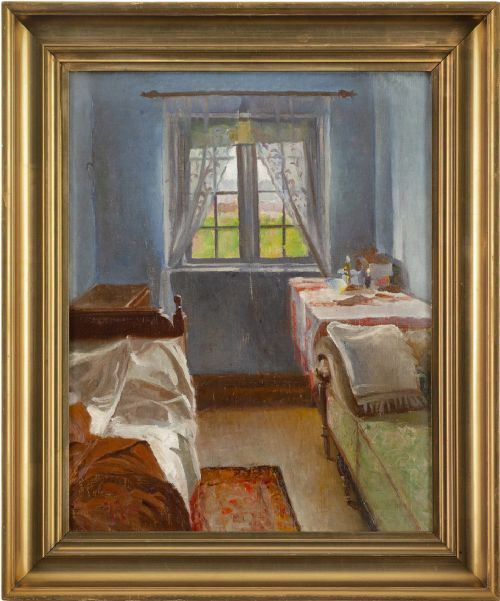
The objects originate from various periods including the nineteenth century, Edwardian era, and the early twentieth century up to the 1930s. Alongside actual light fittings, the selection occasionally incorporates period oil paintings depicting interiors and subjects such as horses.
Buyers are most likely to meet wall lights and wall sconces in brass or silver plate, reflecting the dominant forms present in the listings. These lighting fixtures bring historical illumination methods into contemporary domestic settings.
How they were made
The pieces utilise metals such as brass, gilt bronze, silver plate, and general metalwork, often shaped into ornate lanterns, twin-arm wall lights, and substantial candlesticks. Manufacturing techniques involve casting, ormolu work, and silver plating to achieve decorative finishes.
Other items combine metal structures with glass elements, including opaline or frosted glass shades, alongside porcelain de biscuit components. Wood and gold leaf also appear in the construction of related decorative items and lamp bases.
Vintage Lighting Interior Retail Price Guide 2026
Typical asking prices for vintage lighting interior among the pieces listed under this phrase on Sellingantiques today, from the lower quarter to the upper quarter. They describe what is for sale here now, not the wider market.
Listings feature items spanning the 1860s to the 1930s, constructed in brass, gilt bronze, silver plate, and opaline glass.
What varies in quality
Quality in these lighting pieces rests upon the crispness of metal casting, the weight of the brass or bronze, and the finesse of decorative details like ormolu mounts. Finer examples display balanced proportions and careful hand-finishing.
The integrity of secondary materials such as frosted glass, porcelain de biscuit, or silver plating distinguishes standard production from more ambitious workshop output. Preservation of original surface patination remains central to an object's integrity.
Harry Kluge
The Vintage Lighting Interior Glossary
- Ormolu
- Gilded bronze ornamentation applied to furniture and lighting fixtures. This technique was widely utilised in French neoclassical and Empire designs to create golden decorative highlights.
- Newel Post Lamp
- A decorative light fixture mounted on the top post of a staircase banister. These substantial lamps historically illuminated hallways and entryways.
- Opaline Glass
- A type of semi-translucent glass that has a milky appearance. It was frequently used for Victorian and early twentieth-century lamp shades to diffuse light softly.
- Wall Sconce
- A decorative wall-mounted lighting fixture designed to hold candles or electric bulbs. Sconces project illumination outward into a room while accentuating wall surfaces.
- Porcelain de Biscuit
- Unglazed ceramic porcelain that has a matte, stone-like texture resembling marble. It appears in decorative table lamp bases from the early twentieth century.
Vintage Lighting Interior: Frequently Asked Questions
What is a newel post lamp?
A newel post lamp is a decorative light fixture designed to sit directly on the structural post at the bottom or turn of a staircase. These lamps served to illuminate dark hallways and stairwells in larger period homes.
Today, they function both as functional corridor lighting and as sculptural decorative objects that anchor a room's architectural style.
How do I identify Edwardian lighting?
Edwardian lighting pieces typically date from the early twentieth century and often feature polished or unlacquered brass construction. The aesthetic leans towards refined proportions influenced by earlier classical revivals.
These fixtures often appear as wall lights or newel posts, balancing ornate detailing with practical domestic utility.
Where were French Empire wall lights used?
French Empire wall lights were originally designed for grand salons and formal rooms, reflecting the neoclassical tastes of the nineteenth and early twentieth centuries. They frequently incorporate gilt bronze and ormolu.
In modern interiors, collectors place these fixtures in dining rooms or entrance halls to create a dramatic historical focal point.
Can I use antique candlesticks as lamps?
Antique church candlesticks and domestic candle holders are often adapted for modern electrical wiring, though many collectors prefer to display them in their original form. Their substantial height and metal construction make them visually striking.
Placing them on side tables or altars adds sculptural verticality to an interior scheme.