



White Porcelain Tea Pot
A white porcelain tea pot brings centuries of ceramic skill to the table, offering a timeless vessel for daily brewing and elegant service.
White Porcelain Tea Pot
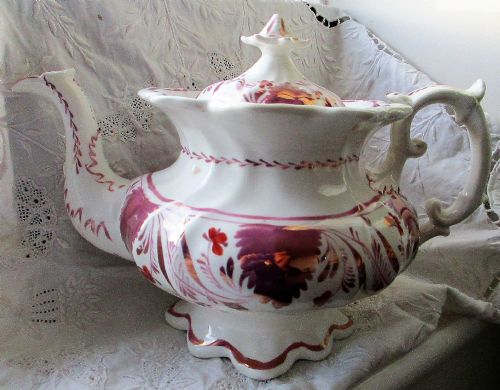
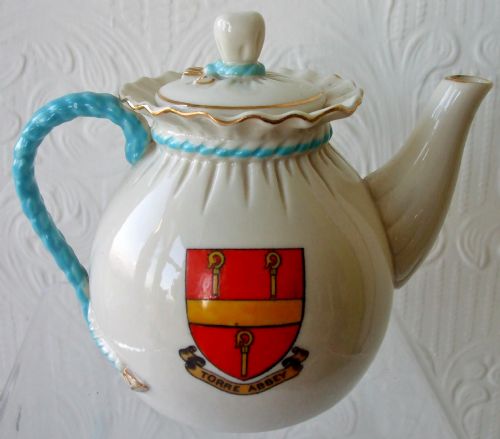
A white porcelain tea pot encompasses historic examples ranging from eighteenth-century English factories to Chinese export wares and nineteenth-century French services. Collectors encounter various forms, including traditional teapots, covered sucriers, and matching tea and coffee sets.
The pieces available span multiple periods such as the Georgian era, the nineteenth century, and specific decades like the seventeen-fifties and nineteen-tens. Buyers often discover examples decorated with cobalt glaze, enamel, metallic lustre, and delicate gold leaf details.
Origin points stretch across English manufactories like Worcester and Coalport, continental European producers in France and Russia, and Asian export traditions. Each white porcelain tea pot reflects the distinct aesthetic values and kiln technologies of its specific era.
Materials and Techniques
Potters utilised hard-paste and soft-paste porcelain bodies, shaped by hand or moulded before receiving a vitreous ceramic glaze. Kiln firing transformed these mineral mixtures into durable translucent vessels capable of holding boiling water.
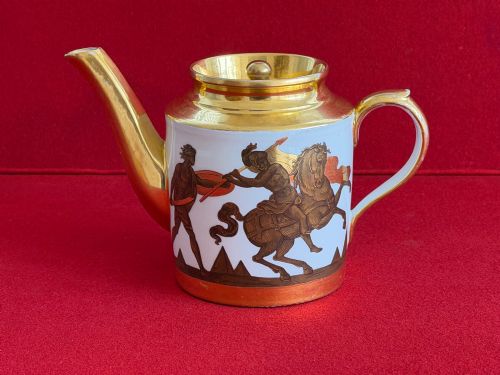
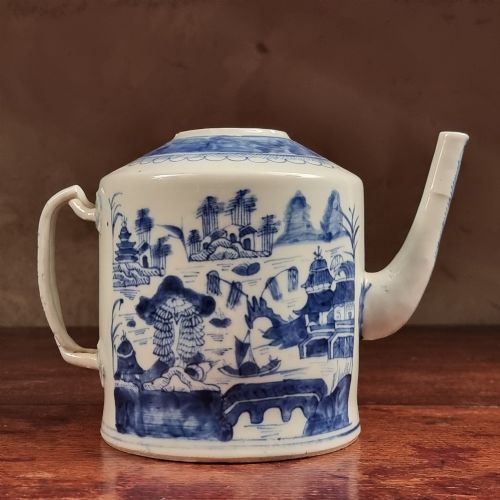
Decoration relied on hand-painting and transfer printing using cobalt glaze for deep blue underglaze designs, alongside vibrant enamel colours. Artisans added finishing touches through gilding and the application of gold leaf to rims and handles.
White Porcelain Tea Pot Retail Price Guide 2026
Typical asking prices for white porcelain tea pot among the pieces listed under this phrase on Sellingantiques today, from the lower quarter to the upper quarter. They describe what is for sale here now, not the wider market.
Current listings feature porcelain and ceramic glaze materials across the Georgian, Victorian, and nineteenth-century periods.
Assessing Quality
Quality rests upon the purity of the porcelain body, the precision of the potter's moulding, and the thinness of the vessel walls. Superior examples display flawless glazing and balanced proportions that demonstrate exceptional technical control in the kiln.
The artistry of the decoration distinguishes finer pieces, showing refined brushwork in hand-painted motifs and carefully executed gilding. Maker attribution and well-preserved surface ornamentation further elevate the standing of individual items.
John Rose Coalport·W.H. Goss·Spode·Thomas Wolfe Staffordshire·Ahrenfeldt and Asalvary·Russian Imperial Porcelain Manufactory
The White Porcelain Tea Pot Glossary
- Soft-paste porcelain
- An artificial ceramic composition fired at lower temperatures than hard-paste porcelain. It possesses a warm milky tone and softer glaze surface.
- Cobalt glaze
- A metallic oxide pigment applied under the glaze to produce deep blue designs during high-temperature firing. It remains stable under intense kiln heat.
- Sucrier
- A covered pot or bowl designed specifically for holding loose sugar alongside tea service wares. These matching vessels often share identical patterns with the associated teapot.
- Metallic lustre
- A reflective ceramic finish created by applying a thin metallic film over the glaze and firing it in a reducing atmosphere. This technique produces iridescent copper, pink, or silver sheens.
- Gilding
- The application of gold leaf or gold powder to ceramic surfaces for decorative enhancement. Skilled artisans burnished the fired gold to achieve a brilliant metallic shine.
White Porcelain Tea Pot: Frequently Asked Questions
How do I date a white porcelain tea pot?
Dating relies on identifying factory marks, stylistic conventions of the period, and the specific composition of the ceramic body. Examining the potting technique and glaze characteristics helps narrow down the decade of production.
Comparison with documented pieces from known makers provides further chronological clarity. Specialists also look at the shape of the spout and handle to determine the era.
Can I use an antique teapot for daily tea?
Historic teapots require careful handling due to their age and delicate material composition. Thermal shock from boiling water can stress fragile antique ceramic bodies.
Many collectors prefer to display these pieces rather than use them for routine service. Gentle rinsing replaces vigorous washing to preserve the enamel and gilding.
What is the difference between soft-paste and hard-paste porcelain?
Soft-paste porcelain contains glass frit and white clay mixtures fired at lower temperatures, resulting in a slightly softer surface. Hard-paste porcelain uses true china clay and petuntse fired at much higher kiln temperatures.
Hard-paste bodies resist scratching more effectively and appear whiter and more vitreous. Soft-paste pieces often exhibit a warmer translucency when held to the light.
Why do some teapots feature wicker cases?
Wicker cases provided insulation and protection during transport and storage for delicate Oriental ceramic vessels. These woven holders kept the tea warm and guarded fragile porcelain against knocks.
They represent traditional utility and craftsmanship associated with travel wares. Surviving cases add context to the mobility of historic export ceramics.