



White Porcelain Sconces
White porcelain sconces bring a crisp, sculptural glow to a room, pairing smooth ceramic with gleaming metal mounts.
White Porcelain Sconces
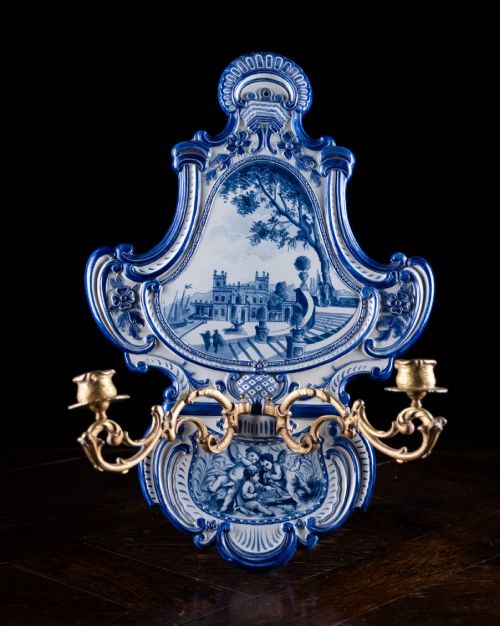
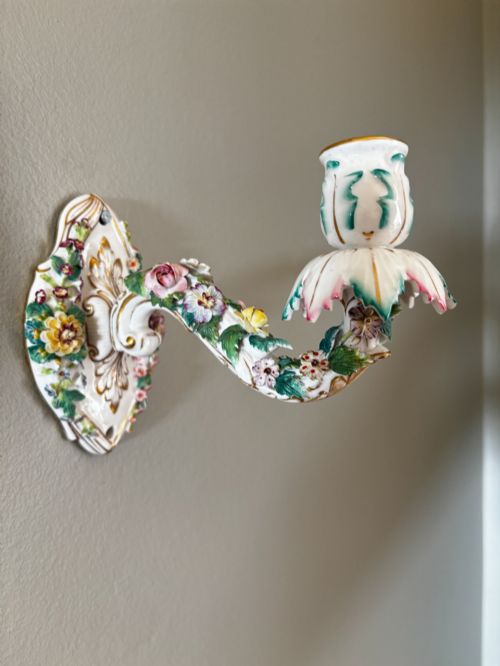
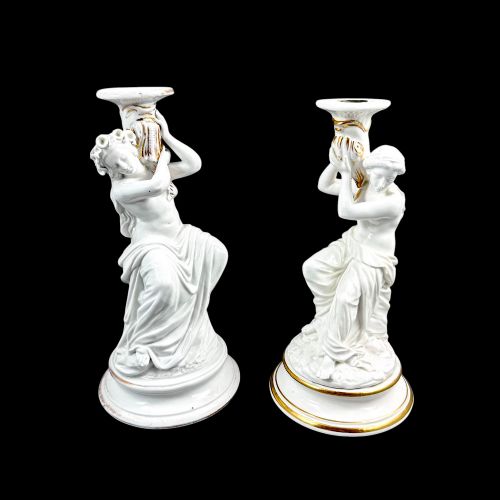
White porcelain sconces encompass wall brackets, candlesticks adapted for the wall, and figural wall lights originating from the nineteenth century. These pieces bridge the gap between functional lighting and sculptural wall art, bringing a distinct brightness to interiors.
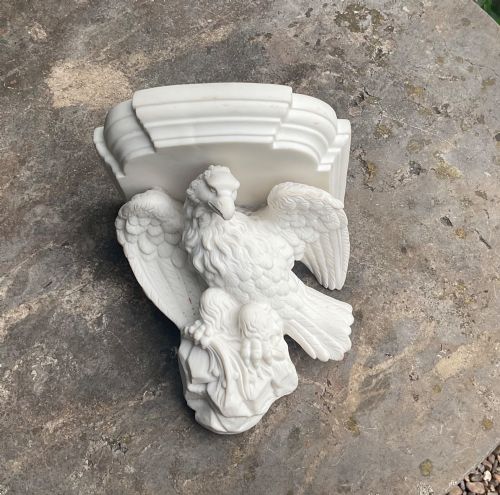
The selections available here lean heavily into Victorian aesthetics, drawing on Revival styles such as Rococo and Neoclassical designs. You will frequently encounter figures, animals, and classical motifs integrated directly into the ceramic body.
Origins span across English potteries like Derby and continental European works, including German factories such as Sitzendorf and Von Schierholz. This European diversity ensures a range of modelling styles, from stark biscuit porcelain to glazed hard-paste bodies.
Materials and Manufacture
Makers utilised hard-paste porcelain, parian porcelain, and traditional ceramic bodies, often shaping them into detailed figural or architectural forms. Parian porcelain provided a matte, unglazed finish reminiscent of carved marble, while hard-paste porcelain offered a durable, glossy surface.
White Porcelain Sconces Retail Price Guide 2026
Typical asking prices for white porcelain sconces among the pieces listed under this phrase on Sellingantiques today, from the lower quarter to the upper quarter. They describe what is for sale here now, not the wider market.
Listings feature a strong presence of nineteenth-century German and English manufacturers, utilising hard-paste porcelain, parian, and ormolu mounts.
Judging Quality and Execution
Quality rests primarily on the crispness of the porcelain modelling and the finesse of the secondary materials. Finer examples display sharp facial expressions, clean limb articulation in figural pieces, and deeply incised details rather than soft, blurred contours.
The integration of the ceramic body with ormolu or gilt bronze mounts marks the difference between standard production and superior craftsmanship. Secure, well-fitted metalwork that complements rather than overpowers the porcelain indicates a higher tier of manufacture.
Villeroy and Boch·Meissen·Derby·Sutherland and Sons·Sitzendorf·Von Schierholz
The White Porcelain Sconces Glossary
- Hard-Paste Porcelain
- A dense, vitrified ceramic fired at high temperatures using kaolin and petuntse. It creates a durable, bright white body that resists scratching.
- Parian Porcelain
- A fine-grained unglazed biscuit porcelain developed in the nineteenth century to imitate marble. It is prized for its smooth, matte texture and creamy tone.
- Ormolu
- Finely ground high-carat gold applied to a bronze base using a mercury amalgamation process. It yields a rich, warm metallic lustre.
- Rococo Revival
- A nineteenth-century design style characterised by asymmetrical scrollwork, naturalistic shell motifs, and exuberant curves. It heavily influenced many Victorian decorative arts.
- Biscuit Porcelain
- Unfired or single-fired porcelain left without a surface glaze. It yields a porous, tactile finish ideal for detailed sculptural work.
White Porcelain Sconces: Frequently Asked Questions
How were white porcelain sconces used historically?
These pieces were mounted on walls to hold candles, multiplying the ambient light in a room by reflecting the flame off glazed surfaces and gilt metal mounts. They often flanked mirrors, doorways, or fireplaces in formal reception rooms.
Over time, many were adapted to hold electrical fittings while retaining their original decorative wall brackets and figural shafts.
What periods do these wall lights represent?
The pieces span the nineteenth century and extend into the early twentieth century, capturing the height of Victorian production. Stylistic markers point toward revival movements such as Rococo and Neoclassical designs popular during these decades.
Dates cluster heavily around the late Victorian era, alongside specific continental manufacturing periods from the eighteen-eighties to the nineteen-thirties.
How do I care for antique porcelain and ormolu?
Dust the ceramic surfaces gently with a soft, dry brush to prevent dirt accumulation in intricate crevices. Avoid harsh chemical cleaners that can strip away enamel highlights or damage the underlying glaze.
For gilt bronze or ormolu mounts, use only a clean, dry cloth. Moisture can seep into joints or discolour exposed metallic surfaces.
What is the difference between parian and hard-paste porcelain?
Hard-paste porcelain is fired at extreme heat to produce a vitrified, non-porous body with a bright, glossy finish. It withstands daily wear well and takes coloured glazes and enamel painting securely.
Parian porcelain is left unglazed to mimic carved marble, offering a matte, tactile surface that emphasises sculptural form over reflective shine.