


White Porcelain Pitcher
A white porcelain pitcher serves as both a functional vessel for liquids and a striking display of historic ceramic artistry.
White Porcelain Pitcher
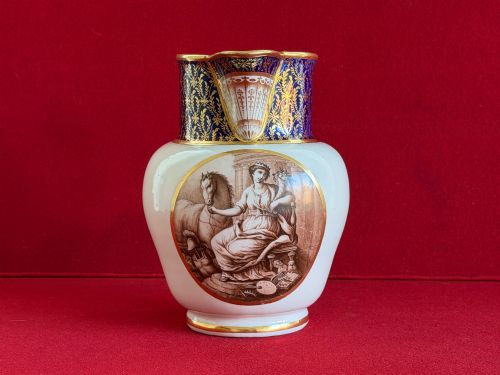
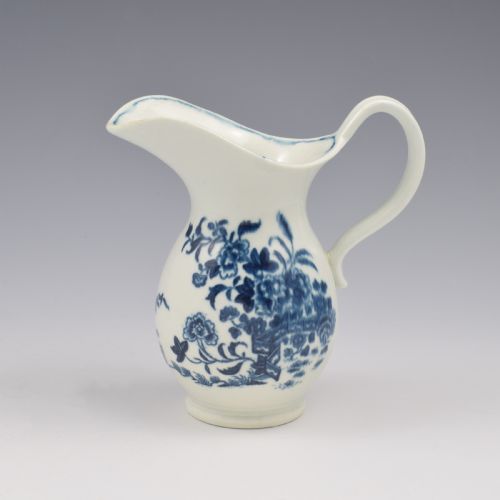
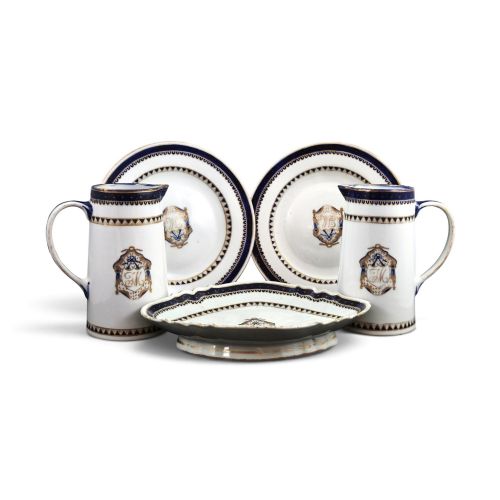
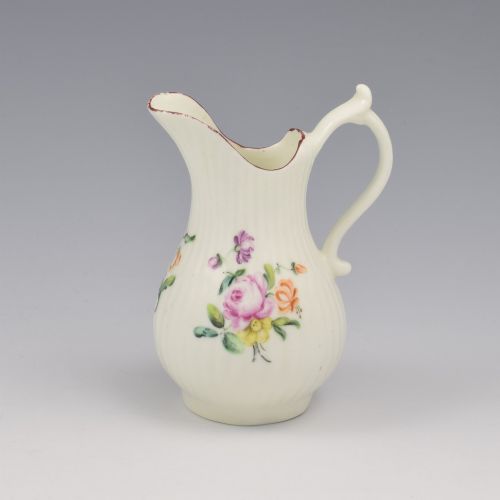
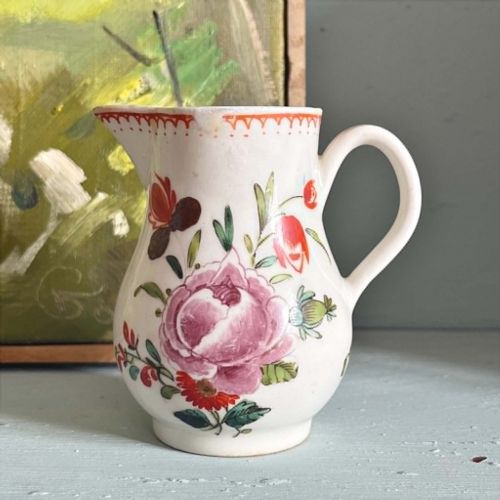
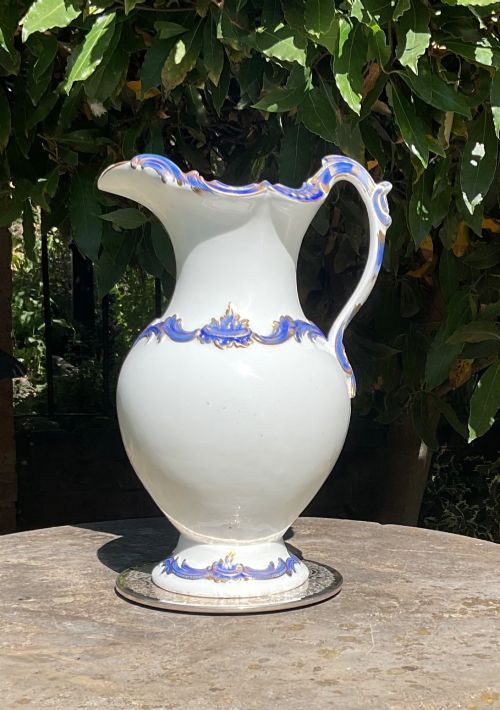
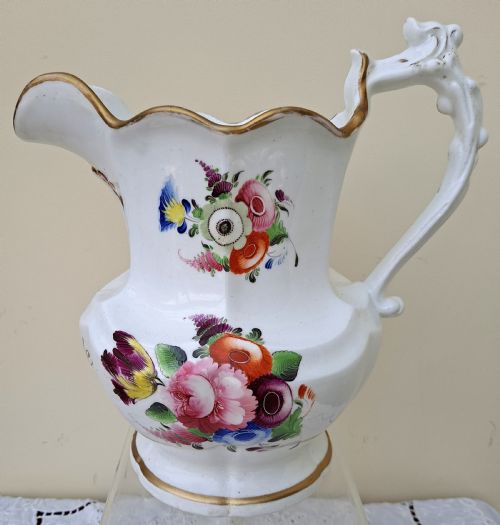
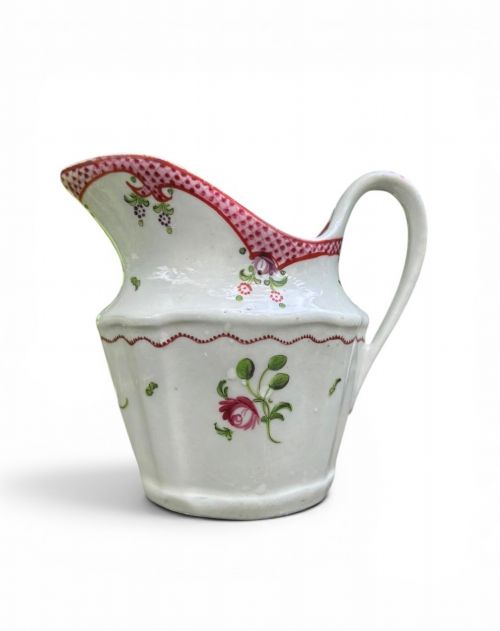
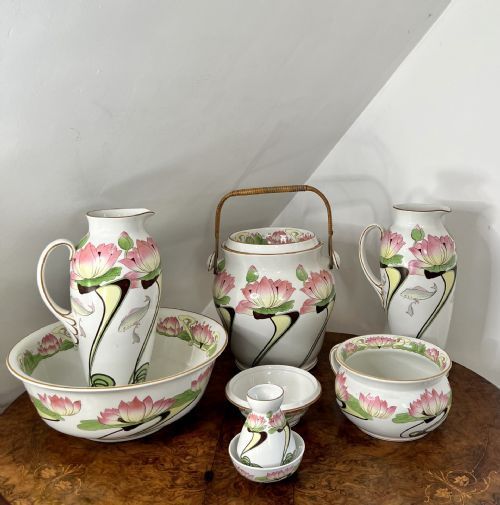
A white porcelain pitcher covers a diverse range of forms, from delicate eighteenth-century milk jugs and creamers to substantial nineteenth-century washstand sets and ewers.
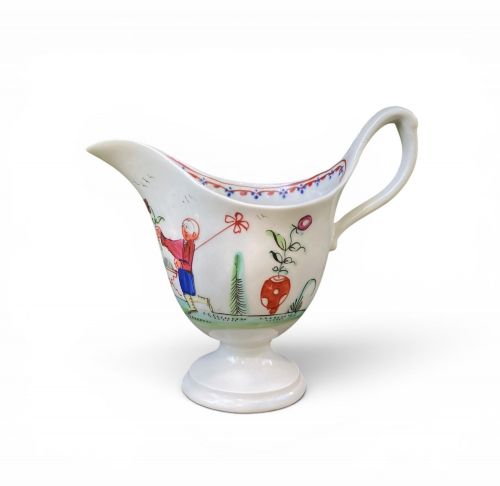
Buyers seeking a white porcelain pitcher will encounter domestic tableware such as sparrowbeak creamers alongside larger decorative pieces originating from English, European, and Asian kilns.
The selection encompasses periods spanning from the seventeenth century through the Edwardian era, reflecting shifting domestic habits and ceramic manufacturing techniques.
How They Were Made
Potters utilised materials such as soft-paste porcelain, earthenware, and hard-paste porcelain, often finished with a smooth glaze to seal the body.
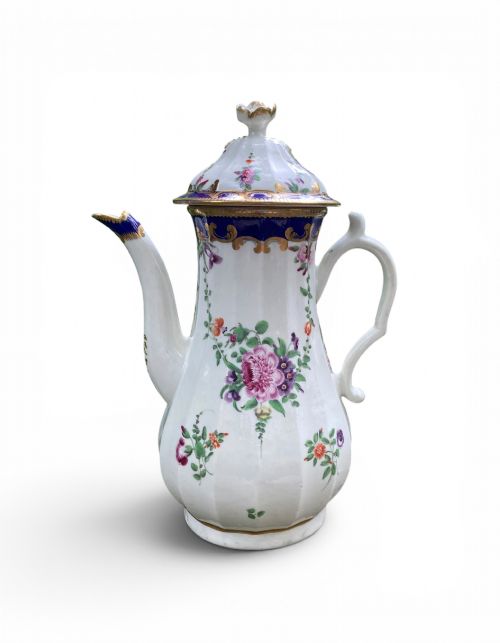
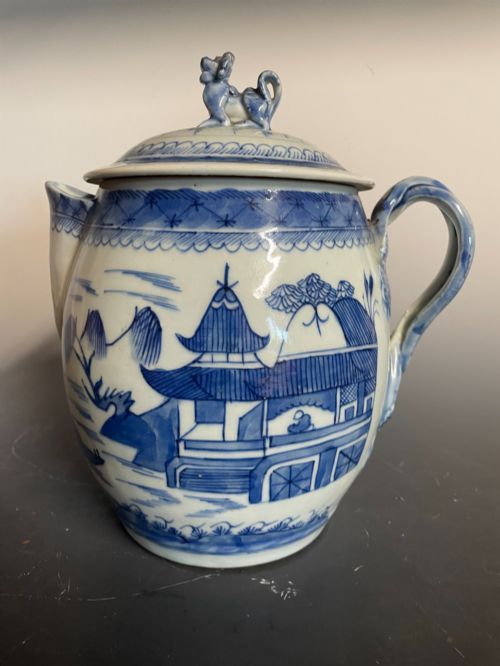
Decoration involved handpainted polychrome pigments, underglaze blue, enamel work, and applied gold leaf or gilding to accentuate moulded surfaces.
Listings feature porcelain, earthenware, and soft-paste porcelain across the eighteenth and nineteenth centuries.
What Varies in Quality
The refinement of the ceramic body and the precision of the moulding dictate the baseline standard, with finer pieces displaying thin walls and crisp handle attachments.
The dexterity of the handpainted decoration and the application of gilding separate standard utilitarian vessels from highly finished cabinet pieces.
Dr Wall Worcester·Derby Porcelain·Bow porcelain·New Hall·Meissen·H and R Daniel·John Rose Coalport·Doulton Burslem·Shelley·Staffordshire China
The White Porcelain Pitcher Glossary
- Soft-paste porcelain
- A ceramic composition fired at lower temperatures than true porcelain, often used by eighteenth-century English factories. It yields a warm tone under glaze.
- Ewer
- A large jug with a wide spout and curved handle, historically used for pouring water or wine. Many early examples display elaborate handles.
- Gilding
- The application of gold leaf or powdered gold to ceramic surfaces. It highlights moulded rims and painted panels.
- Kendi
- A traditional drinking vessel of Asian origin characterised by a bulbous body and distinct spout without a handle. They were often produced for export.
- Underglaze
- A decoration technique applied to the ceramic body before the glaze is added and fired. This protects the pigment beneath a glassy protective layer.
White Porcelain Pitcher: Frequently Asked Questions
How were these pitchers used historically?
These vessels served various domestic functions, ranging from pouring cream and milk at the tea table to holding water for washing alongside matching basins.
Smaller examples were dedicated to dining service, while larger ewers and washstand sets belonged to bedroom routines before modern plumbing.
How do I care for antique porcelain?
Antique porcelain requires gentle hand washing in lukewarm water using mild soap, avoiding modern dishwashers entirely.
Sudden temperature changes should be avoided to protect the historic glaze and delicate painted details from thermal shock.
How can I tell eighteenth-century pieces apart?
Eighteenth-century items often exhibit soft-paste bodies with distinct glaze pooling near the base and handpainted motifs characteristic of early factory output.
Markings can sometimes be found on the underside, though many early pieces rely on paste characteristics and shape rather than stamped logos.