





White Pedestal Planter
A white pedestal planter brings classical weight and botanical height to a garden or hall.
White Pedestal Planter
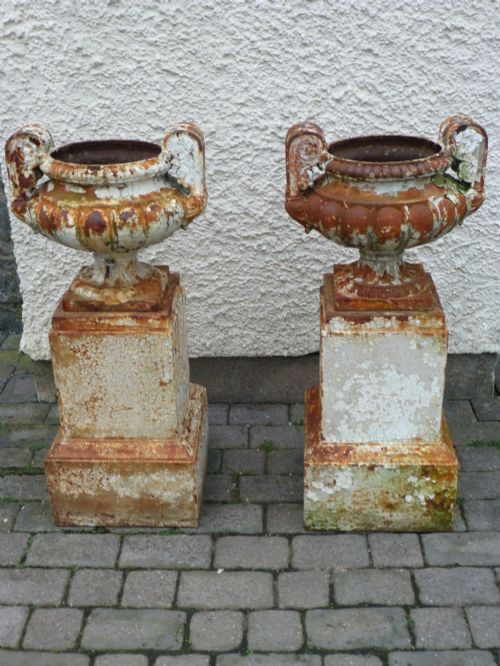
A white pedestal planter combines a raised column or plinth with an upper vessel designed to hold greenery or flowers. These items appear across several distinct historical eras, including the Georgian, Regency, and Victorian periods.
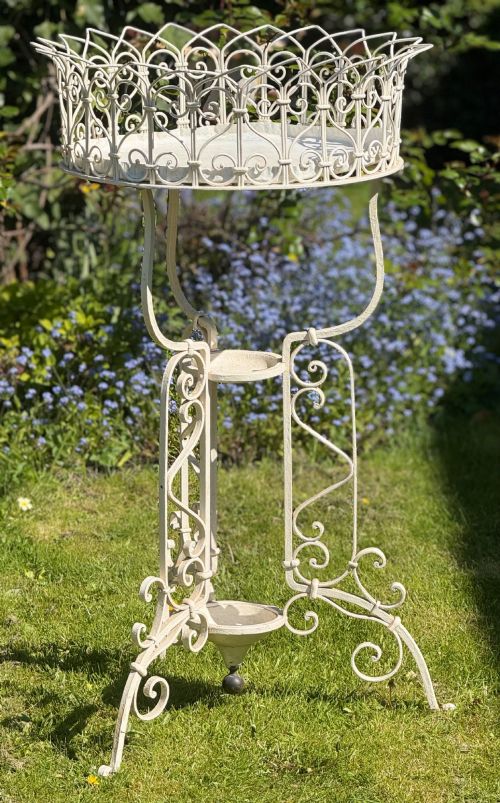
Buyers encounter forms ranging from heavy cast iron garden urns to carved alabaster and Italian marble tazza vessels. The selection encompasses both robust exterior garden pieces and delicate interior plant stands.
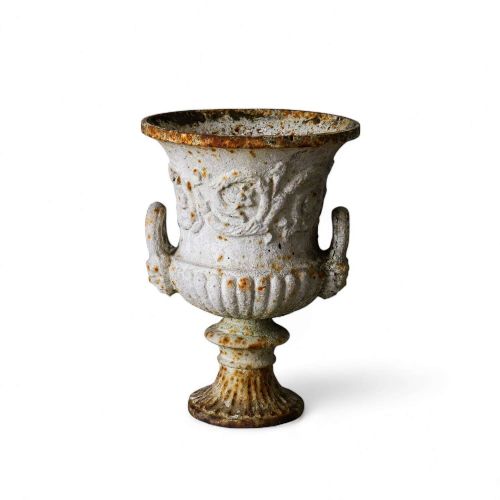
Origins span British foundries and workshops alongside continental European stonework, creating diverse profiles from classical acanthus leaf decoration to gadrooned urns on plinths.
Materials and construction methods
Foundries produced many enduring examples in cast iron, subsequently finished with protective white paint to withstand exterior weather or complement interior spaces. Other pieces utilise durable limestone and terracotta for traditional garden settings.
Carved white marble and fine alabaster serve interior plant stands and tazza urns, demanding skilled masonry to achieve smooth fluted columns and detailed classical relief work.
White Pedestal Planter Retail Price Guide 2026
Typical asking prices for white pedestal planter among the pieces listed under this phrase on Sellingantiques today, from the lower quarter to the upper quarter. They describe what is for sale here now, not the wider market.
Current listings span the nineteenth century through the nineteen-thirties, incorporating cast iron, painted oak, white marble, and alabaster.
Quality differences in planters and pedestals
Superior examples display crisp casting definition in ironwork or precise, deep chisel marks in stone and marble rather than soft, worn edges. The integrity of the original pairing between the upper vessel and its matching plinth dictates overall proportion and balance.
Material density and weight distinguish standard utilitarian vessels from masterwork productions, while weathered patination on painted surfaces demonstrates genuine age and atmospheric exposure.
Dunfermline Clay Company·Falkirk Carron Foundry·Coalbrookdale·Andrew Handyside
The White Pedestal Planter Glossary
- Campana
- A bell-shaped garden urn with a flaring rim and a footed base. This classical shape frequently sits atop a matching stone or iron pedestal.
- Tazza
- A shallow cup or bowl-shaped vessel mounted on a stem and foot. Italian marble examples function as ornamental centrepieces.
- Gadrooned
- Ornamented with a series of convex curves or flutes in a parallel pattern. This decorative moulding often encircles the bowl of an urn.
- Plinth
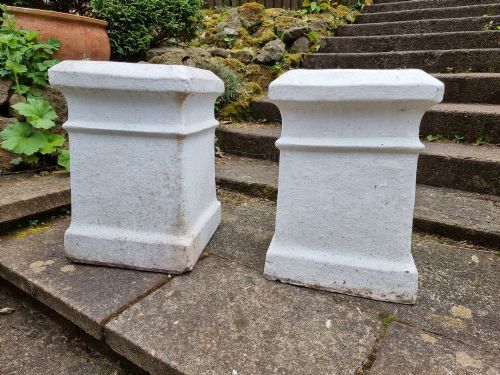
- A heavy rectangular block serving as a base for a statue, urn, or column. Original matching plinths complete the architectural silhouette.
White Pedestal Planter: Frequently Asked Questions
Can cast iron planters stay outside all winter?
Cast iron endures low temperatures well, provided the drainage hole remains clear so trapped water does not freeze and crack the metal.
Applying a fresh coat of suitable white paint periodically protects the iron from rust during damp winter months.
How do I secure a heavy urn to its pedestal?
Most heavy stone and iron pieces rely entirely on gravity and precise fitting surfaces to remain stable on their columns. A thin layer of appropriate bedding mortar secures permanent outdoor installations against strong winds.
Are marble stands suitable for gardens?
Italian marble and alabaster pieces suit indoor or sheltered conservatory placement because porous stone suffers frost damage outdoors.
Weathered cast iron, limestone, and painted terracotta handle exposed garden locations with greater resilience.
How do I clean painted metal urns?
Wash accumulated dirt away gently using warm water, a soft cloth, and mild soap without harsh chemical abrasives.
Inspect the surface for flaking paint and touch up bare metal promptly to prevent corrosion.