
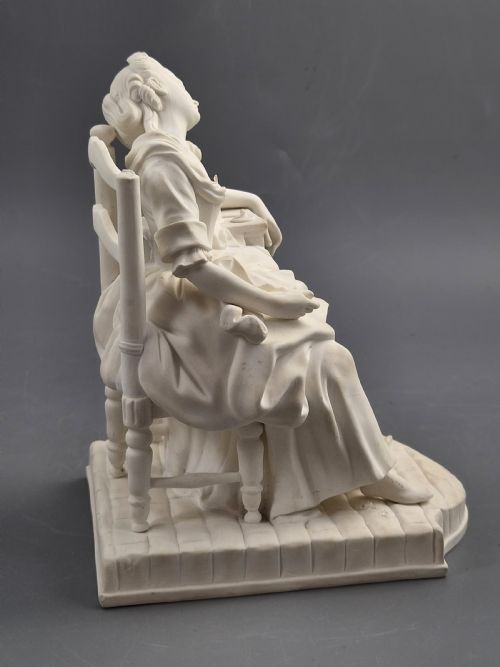

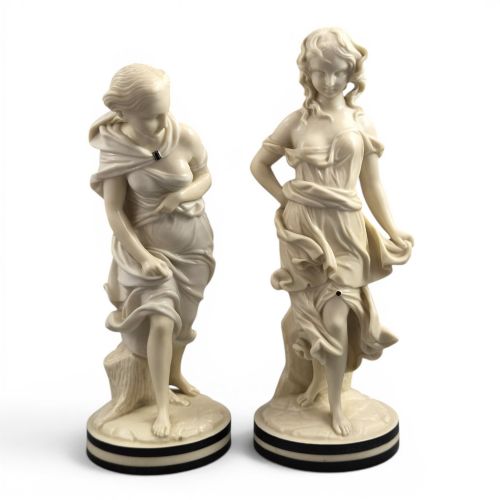


White Parian Porcelain Figure
A white parian porcelain figure brings classical form and matte biscuit texture into nineteenth-century interiors through finely modelled sculptural detail.
White Parian Porcelain Figure
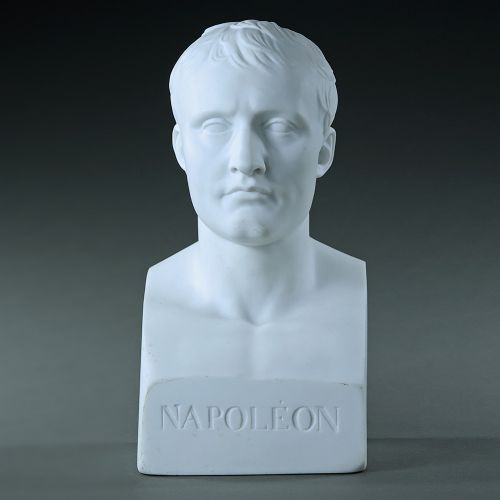
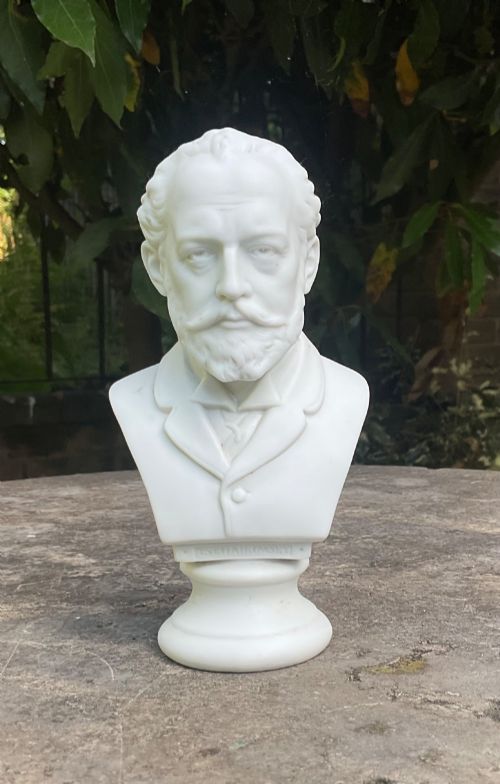
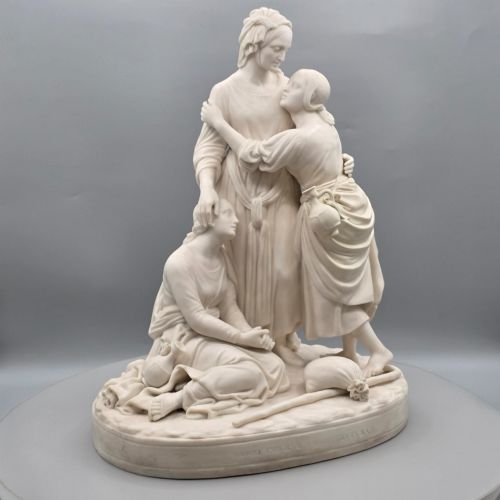
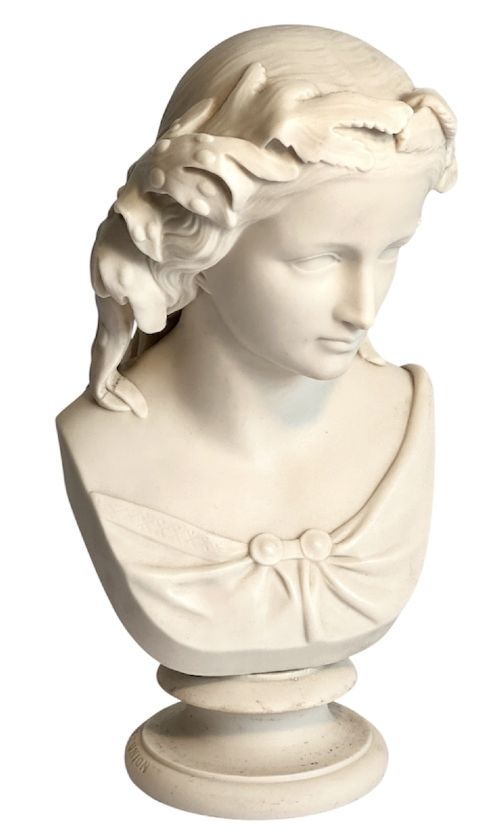
A white parian porcelain figure is a nineteenth-century sculptural object designed to imitate carved marble through an unglazed ceramic body. These pieces range from small figurines and statuettes to substantial portrait busts and group compositions.
Victorian manufacturers produced these works extensively in styles spanning neoclassical, neo-rococo, and classical revivalism. Subjects include literary heroines, historical figures, mythological studies, and sentimental domestic scenes.
The selections encountered here originate primarily from British and continental European factories during the Victorian era. They serve as enduring examples of mass-produced sculptural art developed to rival traditional marble carving.
How they were made
Parian ware is formulated from a high proportion of feldspar mixed with fine clay, fired at a temperature that produces a dense, vitreous body without a glossy glaze. This unglazed biscuit surface yields the characteristic matte texture that closely resembles carved marble.
Manufacturers cast these figures in multiple plaster moulds, assembling individual limbs, drapery, and accessories with liquid slip before firing. Firing shrinkage required precise control to preserve delicate facial expressions and intricate surface detail without warping.
Listings feature nineteenth-century Victorian parian porcelain works spanning classical busts, literary groups, and portrait figures.
What varies in quality
The purity of the porcelain paste and the absence of firing blemishes or warping determine the relative success of an individual piece. Superior examples exhibit a uniform, smooth surface texture reminiscent of high-grade statuary marble.
Minton·Copeland·Royal Worcester·Triebner Ens And Co
The White Parian Porcelain Figure Glossary
- Parian ware
- A type of fine unglazed porcelain developed in the mid-nineteenth century to imitate carved marble. It fires to a dense, matte finish with a granular texture.
- Biscuit porcelain
- Unglazed ceramic fired once before any optional decoration is applied, also known as bisque. It provides a porous, matte surface ideal for capturing fine sculptural detail.
- Neoclassical
- A revival style drawing inspiration from classical antiquity, prominent in Victorian sculpture. It emphasises balanced proportions, draped garments, and classical subject matter.
- Statuary figure
- A sculptural representation of a human or animal subject produced in miniature or cabinet scale. These objects were designed for display on mantelpieces, brackets, and tables.
- Slip
- A liquid suspension of clay and minerals used for casting ceramics in plaster moulds. It flows into intricate recesses to capture the finer points of a model.
White Parian Porcelain Figure: Frequently Asked Questions
What is parian porcelain?
Parian porcelain is an unglazed ceramic body created during the nineteenth century to simulate carved marble. Its high feldspar content produces a durable material with a distinctive matte finish.
Manufacturers used this porcelain to distribute affordable reproductions of famous sculptures and new works by contemporary artists to middle-class homes.
How do I clean parian figures?
Because parian ware is unglazed and porous, it readily absorbs dirt and oils from handling. Dry dusting with a soft brush is the safest method for routine maintenance.
Stubborn marks require careful sponging with warm water and mild soap, avoiding harsh chemical cleaners that can permanently stain the unsealed ceramic surface.
How do I date these figures?
Dating relies on maker marks stamped or impressed into the base, stylistic cues, and registration diamonds found on nineteenth-century British ceramics. Stylistic elements like high Victorian neoclassical drapery also help narrow the period.
Factory archives and pottery registries provide specific years of introduction for popular sculptural groups and portrait busts.
Where were they displayed?
In Victorian parlours and drawing rooms, these sculptures occupied prominent spaces on mantelpieces, console tables, and dedicated pedestals. They served as conversation pieces reflecting the owner's cultural interests.
Smaller figurines sat comfortably within cabinet displays alongside other ceramics, while larger busts commemorated literary and political figures.