




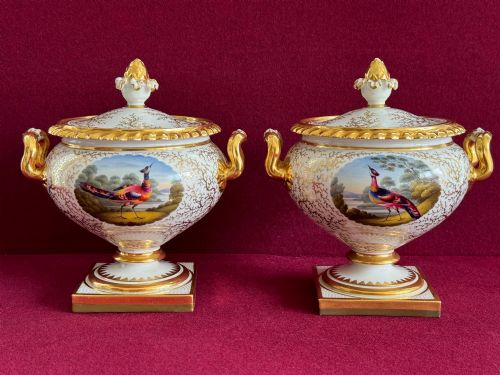
White Painted Urn
White painted urn pieces bring classical form and restrained palette to interiors, selected for their decorative presence.
White Painted Urn
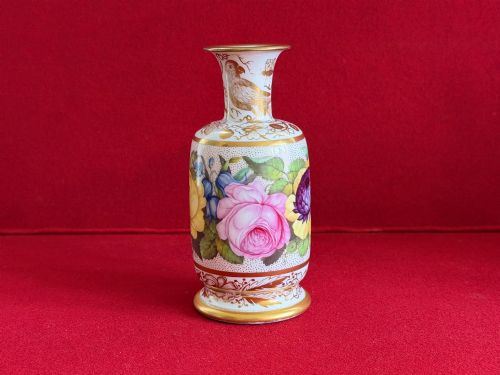
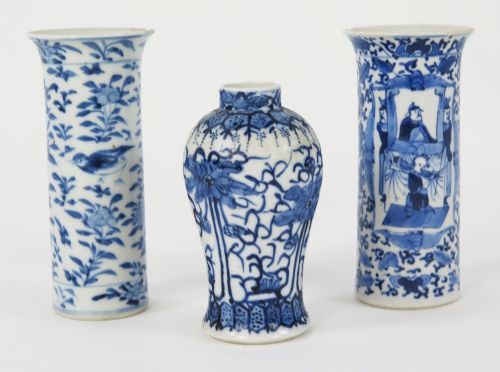
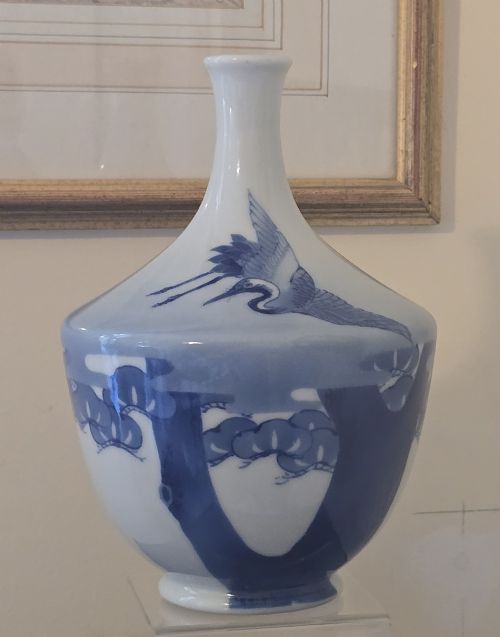
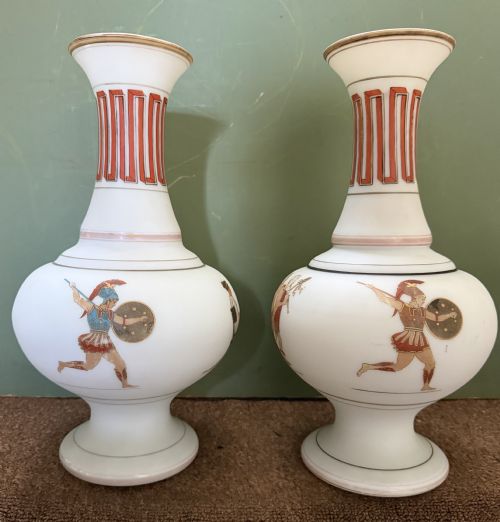
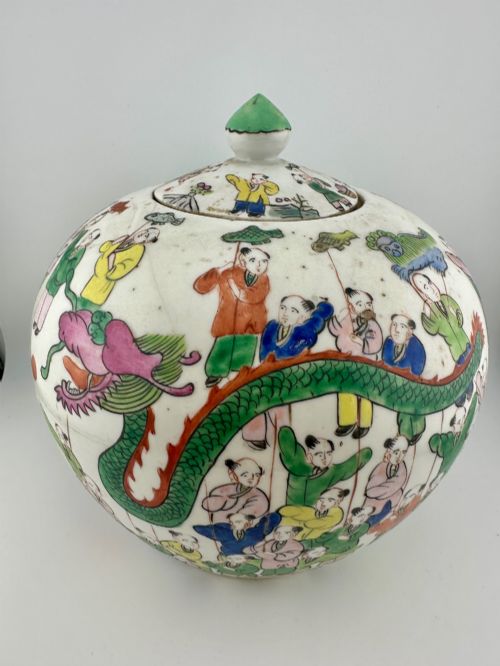
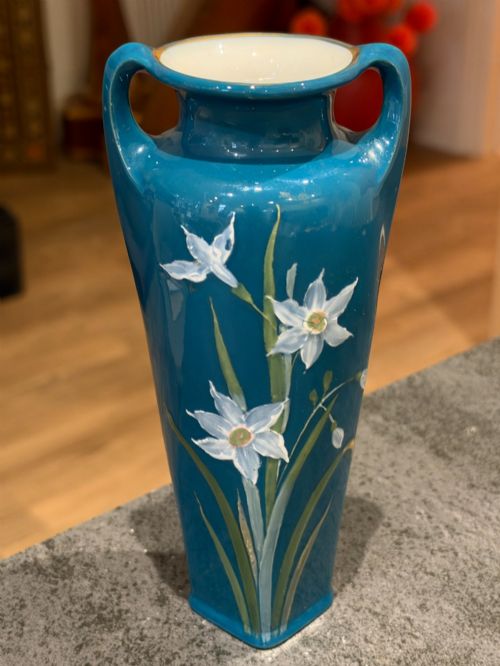
A white painted urn combines classical vessel shapes with light finishes, drawing from periods such as the eighteenth and nineteenth centuries, including Regency and Victorian eras. The evidence shows these forms emerging across ceramic, glass, and metal objects, often functioning as decorative urns, garden urns, and vases.
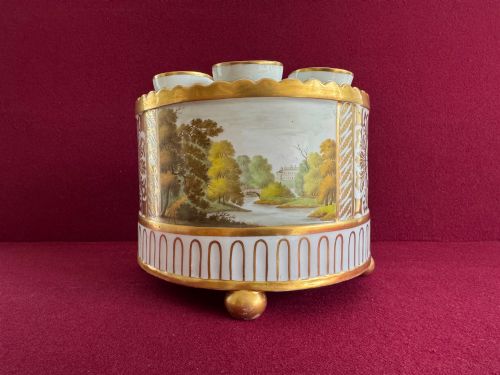
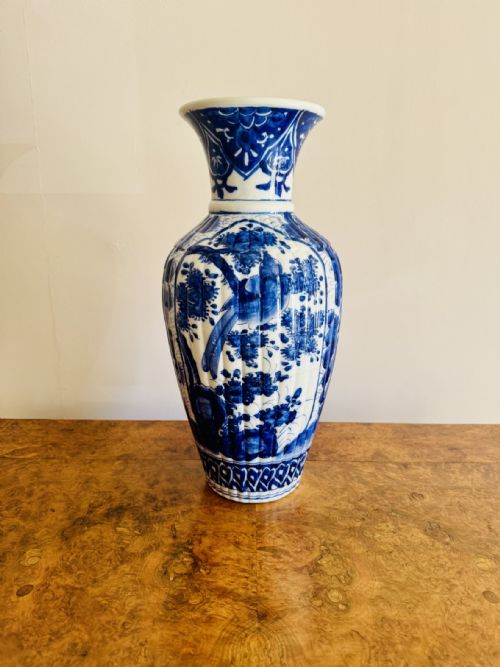
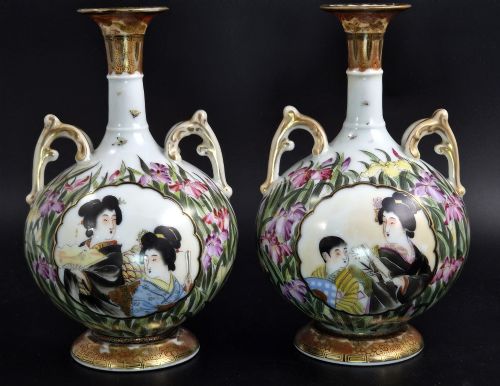
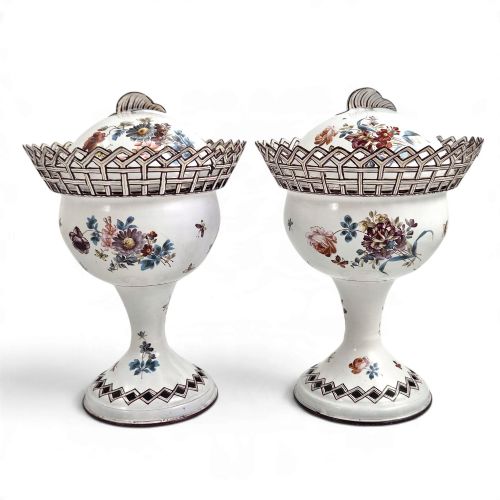
Buyers meet varied iterations on this page, ranging from French tole peinte chestnut urns to cast iron garden vessels and porcelain mantle items. These objects manifest the classical revival tastes of the Georgian and Victorian periods through painted surfaces and sculptural profiles.
Materials and construction methods
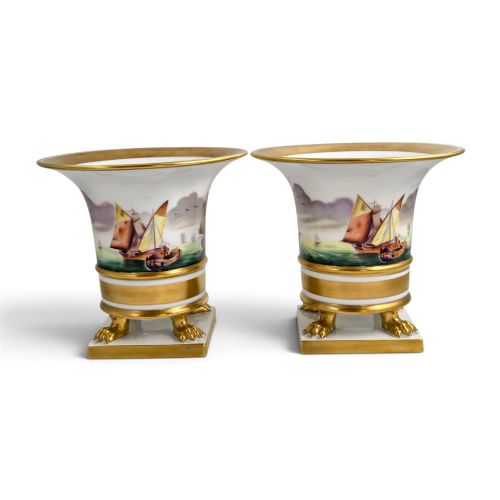
Makers utilised porcelain, earthenware, ceramic, and glass as substrates, applying white paint, enamel, and glaze to build the primary surface. Gilding and gold leaf often accent these monochrome or light grounds.
Metal items rely on cast iron and tole peinte, where sheet metal is shaped and painted. Surface decoration involves hand-painted vignettes, transfer printing, or moulding before firing or curing.
White Painted Urn Retail Price Guide 2026
Typical asking prices for white painted urn among the pieces listed under this phrase on Sellingantiques today, from the lower quarter to the upper quarter. They describe what is for sale here now, not the wider market.
Evaluating craftsmanship and execution
Quality rests in the crispness of the modelling and the finesse of any hand-painted details upon the white ground. Superior examples display controlled brushwork in figural scenes or botanical motifs rather than mechanical regularity.
The integrity of the painted or glazed surface dictates much of the visual success. Heavier potting and refined casting define the upper tier of ceramic and metal urns respectively.
Herend·Wemyss·Falkirk Carron Foundry·Coalbrookdale·Jacob Petit·Cantagalli·Fourmaintraux Courquin·Sceaux·Takasaka Toemon·Flight Barr and Barr·Spode·James Giles
The White Painted Urn Glossary
- Tole peinte
- Painted sheet metal, commonly associated with decorative vessels from French workshops. It provides a lightweight alternative to ceramic bodies.
- Gilding
- The application of gold leaf or powder to highlight specific decorative elements on the surface. This technique adds contrast against white painted grounds.
- Baluster
- A vase or urn form characterised by a swelling lower portion and a slender neck. The silhouette resembles architectural balusters.
- Bough pot
- A specialised vessel designed to hold cut branches or flowers for interior decoration. These pieces often feature fitted pierced covers.
White Painted Urn: Frequently Asked Questions
What periods do these white painted urn pieces originate from?
The listings span the eighteenth and nineteenth centuries, taking in the Georgian, Regency, and Victorian eras. Makers across Britain, France, and wider Europe produced these decorative vessels.
Design influences draw heavily from classical antiquity, incorporating Grecian and Etruscan motifs into domestic decoration.
How were these urns used originally?
Many served as ornamental centrepieces on mantle clocks, sideboards, or console tables within formal rooms. Garden variants stood upon terraces or lawns to punctuate landscape design.
Others functioned as bough pots or spill vases, combining practical containment with neoclassical display.
How do I distinguish glass urns from ceramic ones?
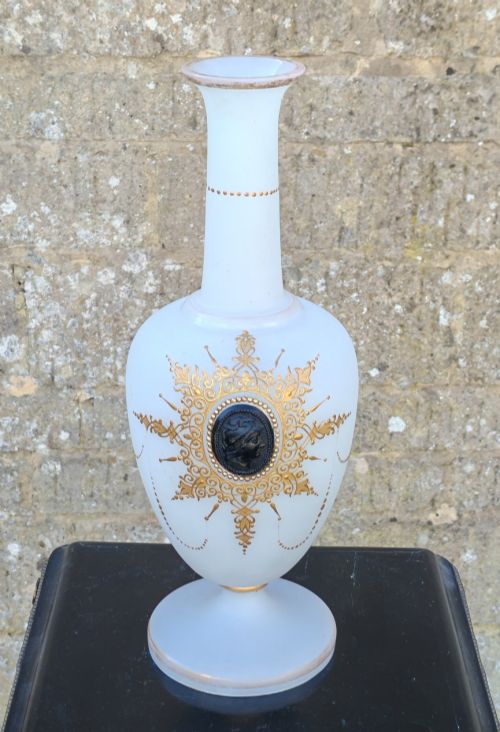
Glass examples, such as opaline glass vases, exhibit translucency and smooth interior walls visible through the mouth. Ceramic and earthenware pieces present opaque, porous bodies beneath the glaze.
Metal urns, including cast iron and tole peinte, offer a heavier weight and lack the resonant ring of fired clay or glass.
How should I care for painted surfaces on antique urns?
Keep painted and gilded urns away from direct sunlight to prevent fading or yellowing of the white ground. Dust gently with a dry, soft cloth without applying liquid cleaners.
Avoid moisture on metal or paper-mache-style finishes to protect the integrity of the original paint layer.