

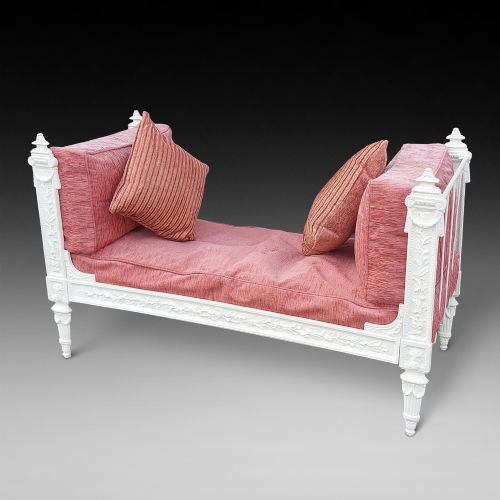


White Painted Sofa
A white painted sofa brings light and texture into a room, drawing on centuries of Scandinavian, French and English design traditions.
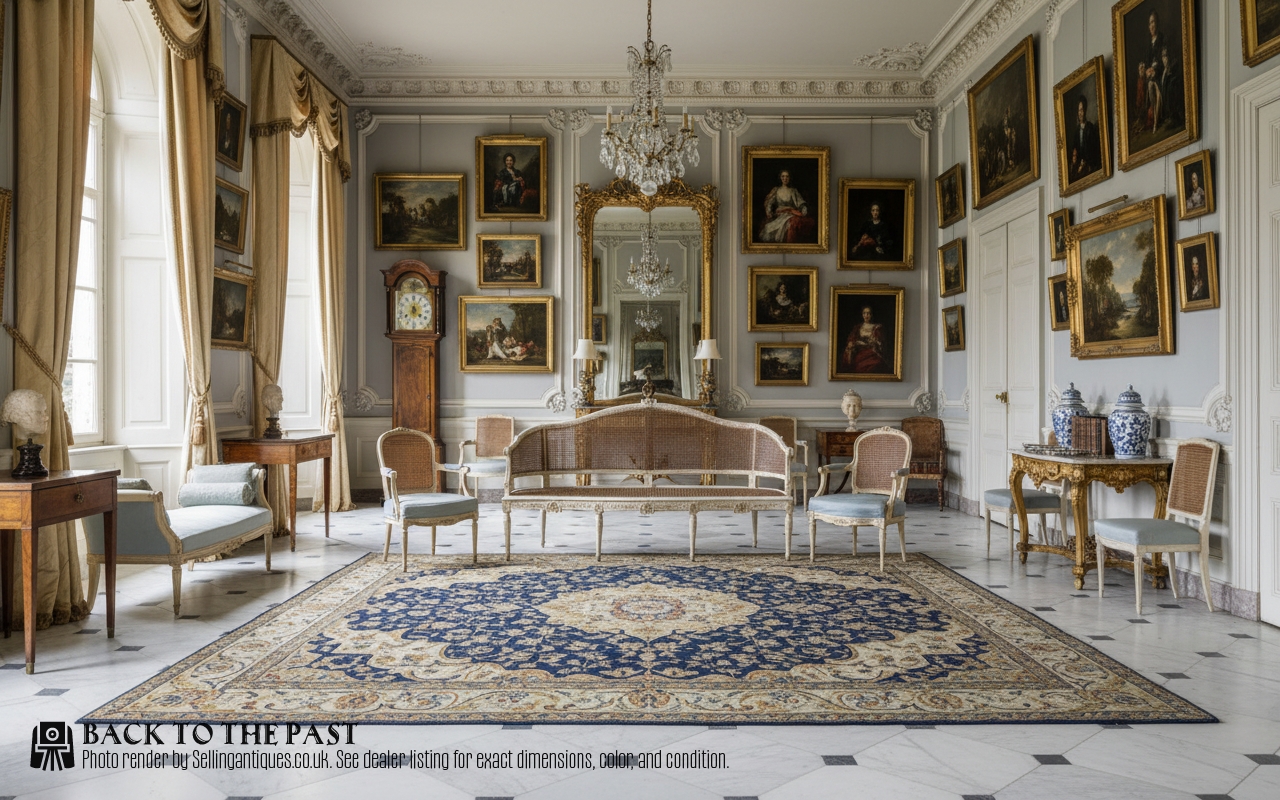
White Painted Sofa
When you search for a white painted sofa, you encounter a range of seating forms spanning the eighteenth century through to the early twentieth century. The selection includes Swedish Gustavian settees, French triple back settees, English Regency pieces and robust daybeds.
The version you are most likely to meet on this page is the Scandinavian or French country settee, often shaped with carved wooden frames and finished in historic white or cream paint. These pieces merge comfort with architectural presence, functioning as daybeds, window seats or formal settees.
Origins stretch across Europe, with Swedish, French and English workshops dominating the record. Periods cover the 18th century, the 19th century, Victorian, Edwardian and early 20th century eras, reflecting evolving tastes in interior decoration.
Materials and Construction
Construction relies primarily on timber frameworks fashioned from pine and hardwoods, alongside cast iron in specific daybed examples. Makers applied multiple layers of paint directly to the wood, sometimes over gesso, creating a durable surface that develops a soft patina over decades of wear.
Upholstery techniques vary from traditional webbing and stuffing with fabric coverings to open cane panels set within wooden frames. Brass and metal components appear occasionally as decorative mounts or structural supports on specific styles.
The furniture styles represented include Gustavian, French Rococo, Regency, Edwardian and Victorian designs.
Distinctions in Quality
Quality rests in the integrity of the wooden frame, the crispness of any hand-carved ornamentation and the retention of original painted surfaces. Pieces retaining their early or original paint layer command greater interest than those subjected to modern repainting.
Proportion and joinery separate standard domestic seating from finer regional work, such as Swedish Gustavian pieces with fluted legs and neoclassical detailing. The subtlety of the carved motifs and the balance of the silhouette define the upper tier of these examples.
The White Painted Sofa Glossary
- Gustavian
- The Swedish neoclassical style developed during the reign of King Gustav III, characterised by restrained carving, pale paint finishes and symmetrical proportions.
- Settee
- A long upholstered seat with a back and arms, designed for more than one person.
- Cane
- Material woven from the peeled bark of rattan palms, utilised for chair seats and back panels to create a lightweight, flexible surface.
- Canapé
- A French upholstered sofa with an exposed wooden frame, popular during the eighteenth and nineteenth centuries.
- Settle
- A wooden bench with a high back, solid arms and often a closed base, originating in medieval times and persisting in country interiors.
White Painted Sofa: Frequently Asked Questions
How do I clean a painted sofa?
Dust the painted wooden frame regularly with a dry, soft cloth to prevent grime accumulation. Avoid harsh chemical cleaners that strip historic paint layers.
For fabric sections, vacuum gently using a low suction attachment. Spot clean upholstered areas according to the specific textile type.
Can I use these sofas outdoors?
Most antique painted sofas and daybeds are designed for interior use only. The timber frames and traditional paint finishes react poorly to damp and fluctuating outdoor temperatures.
Iron conservatory daybeds are the exception, though they still benefit from shelter against prolonged moisture to prevent metal corrosion.
What is a Gustavian sofa?
A Gustavian sofa originates from late eighteenth-century Sweden, inspired by French neoclassical design but simplified for Scandinavian tastes. They feature pale painted finishes, fluted legs and understated geometric carving.
These pieces offer a bright, elegant silhouette suited to both traditional and contemporary neutral interiors.
How do I identify original paint?
Original or early paint surfaces exhibit natural wear, fine craquelure and subtle tonal variations accumulated over generations. Inspect recessed areas and joints for layers of older pigment.
Modern synthetic paints often lie flat and uniform without the soft chalky texture associated with historic finishes.