
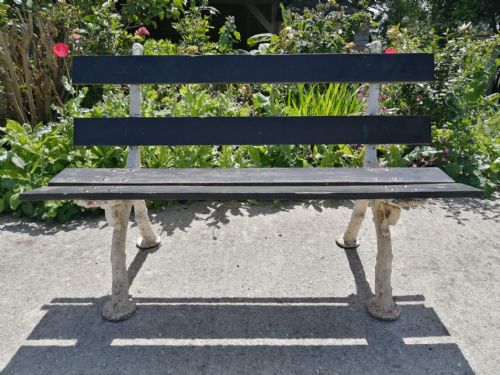
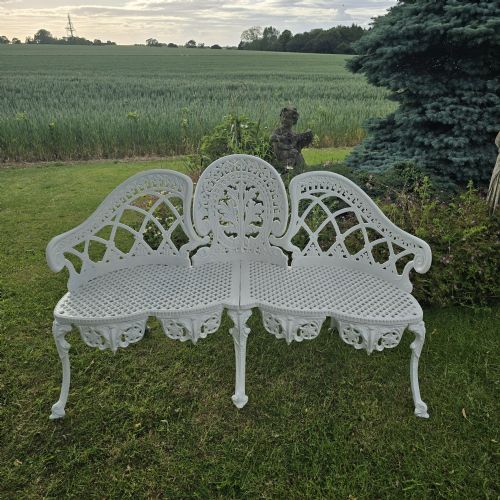
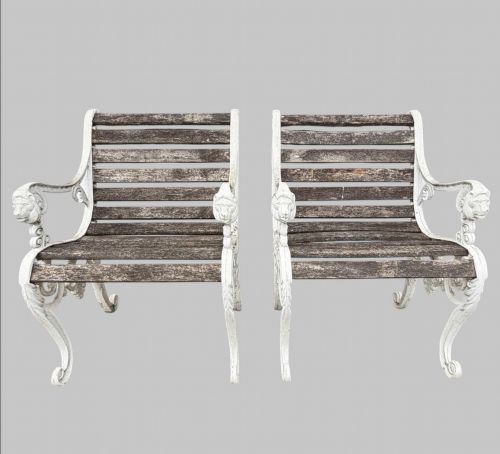
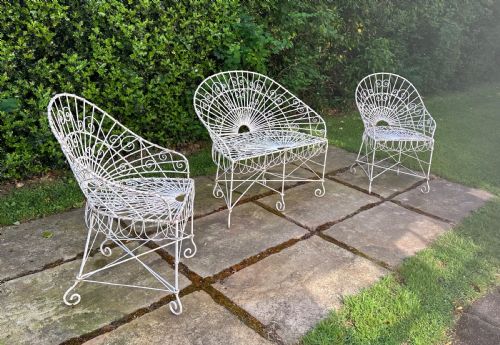


White Painted Garden Bench
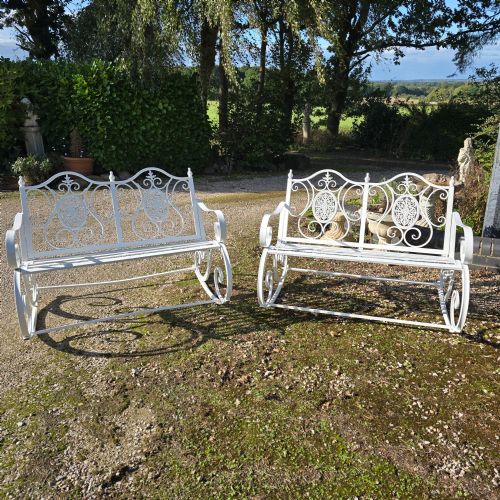
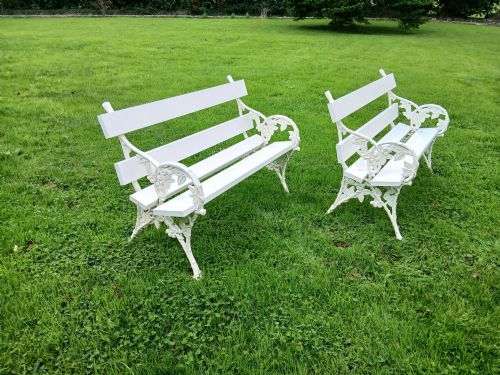
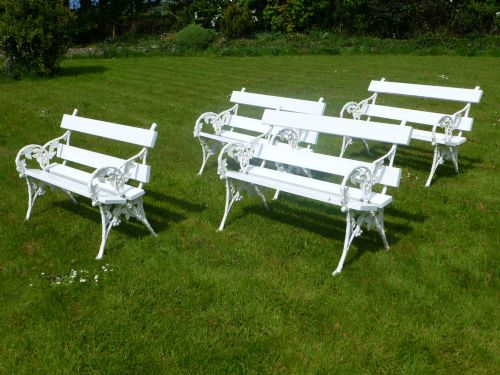
A white painted garden bench offers a sturdy seat that brings weathered character straight to the lawn.
White Painted Garden Bench
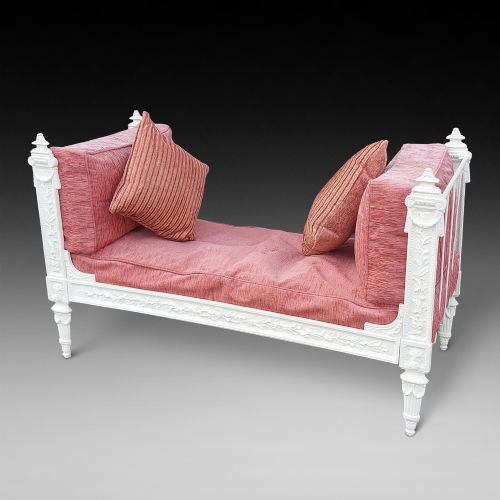
A white painted garden bench appears across multiple periods including the 19th Century, Victorian era, and Regency style, bringing functional seating to outdoor spaces. These pieces take forms such as garden benches, seats, daybeds, and matching armchairs designed for exterior placement.
Makers utilise durable metals and timbers, resulting in structured forms ranging from ornate decorative patterns to clean strapwork and rustic designs. Surviving examples often show layers of historic paint over cast iron, wrought iron, and wood.
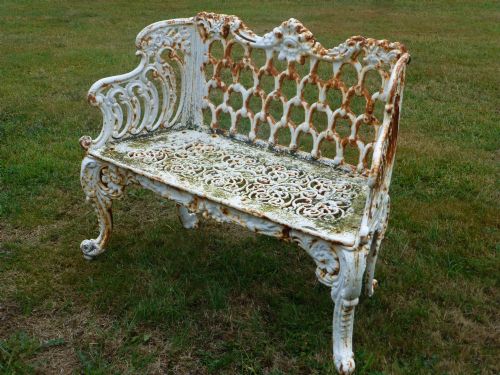
The selection includes matched pairs and individual seats originating from English workshops and major foundries. Buyers encounter both thoroughly restored seating and items showing age-appropriate wear on their painted surfaces.
Materials and construction
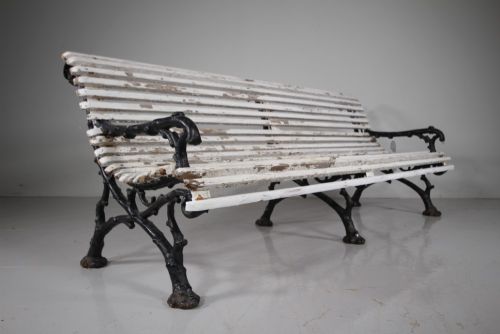
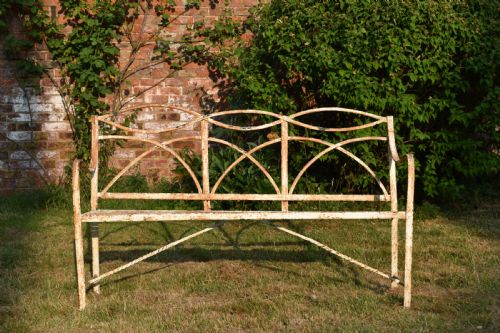
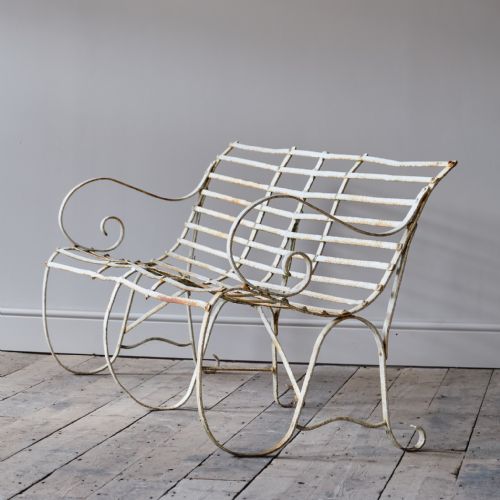
Foundries shaped molten metal into intricate patterns using cast iron, producing detailed motifs like blackberry and leaf designs, faux bois, and lion masks. Wrought iron provided an alternative for linear strapwork frames requiring manual forging.
Carpenters and joiners utilised timber, wood, and teak for traditional slatted seats and benches. Metal components were subsequently finished with protective layers of paint to withstand outdoor conditions.
One set of Victorian garden chairs travelled from an elite polo club in Calcutta before finding a home in a quiet English garden.
Assessing quality in garden seating
The definition of quality rests in the crispness of the casting and the complexity of the ironwork pattern, where pieces from notable foundries display sharper detail. Heavier gauge metals and robust timber joinery separate substantial structural examples from lighter domestic items.
The integrity of the frame and the retention of original structural components determine the longevity of the seat. Pieces retaining matched elements or complete foundry markings hold greater historical interest.
Falkirk Carron Foundry·Coalbrookdale
The White Painted Garden Bench Glossary
- Cast iron
- A strong, hard iron-carbon alloy poured into moulds to create decorative garden seats and bench ends. This technique allowed Victorian foundries to mass-produce complex botanical and geometric patterns.
- Wrought iron
- Iron that is heated and hammered into shape by hand rather than poured into a mould. It provides sturdy, pliable framing for strapwork benches and linear designs.
- Faux bois
- An artistic imitation of wood grain executed in metal or stone. This technique appeared on Victorian cast iron benches to mimic natural timber branches.
- Strapwork
- A decorative pattern composed of flat, intersecting bands resembling leather straps. It is commonly found on Regency and later iron garden seats.
- Daybed
- An elongated seating form adapted for reclining outdoors. These pieces combine structural iron frames with supportive bases for garden use.
White Painted Garden Bench: Frequently Asked Questions
Can I leave my iron bench outside all year?
Cast and wrought iron seats withstand outdoor conditions well due to their heavy metal construction. Regular maintenance of the painted surface protects the metal from moisture.
During severe winter weather, moving wooden components under cover helps preserve the timber. Checking the paint layer prevents rust formation.
How do I date a metal garden bench?
Design styles provide the primary clue, as Regency strapwork differs significantly from Victorian botanical castings. Foundry marks and registration numbers stamped into the iron offer precise manufacturing attribution.
Construction methods also indicate age, noting the transition from hand-forged wrought iron to mass-produced foundry castings. Examining the layers of historic paint reveals the passage of time.
Are wooden and iron benches heavy to move?
Cast iron benches possess substantial weight due to the dense metal used in their frames and ends. This heavy build keeps them stable on uneven lawns without requiring fixings.
Wooden seats and wirework arbours offer lighter alternatives that remain manageable to reposition. Two people are typically required to safely shift large cast iron garden seats.
How should I clean a painted garden bench?
Washing the surface with mild soapy water and a soft brush removes accumulated dirt and organic debris. Avoiding harsh chemical cleaners preserves the underlying layers of paint.
Allowing the bench to dry completely before applying protective wax or touch-up paint maintains the finish. Regular gentle cleaning prevents moss accumulation in detailed iron recesses.