


White Painted Frame Mirror
A white painted frame mirror brings light and scale to a room, drawing on French and Victorian styles crafted from wood and gesso.
White Painted Frame Mirror
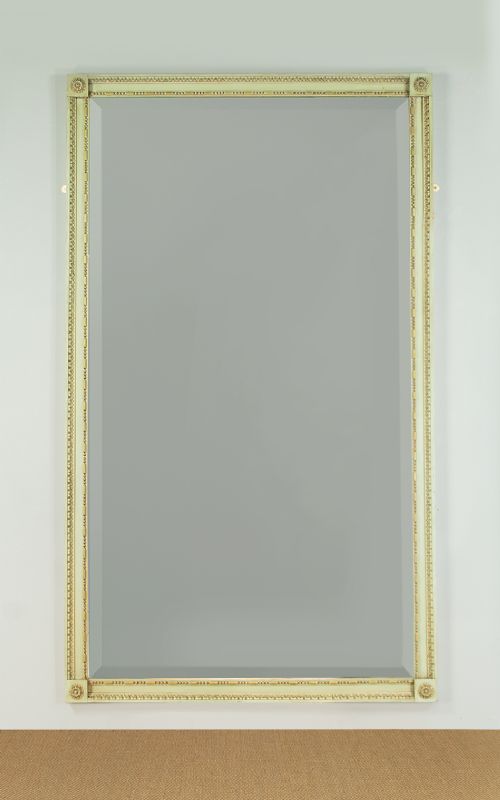
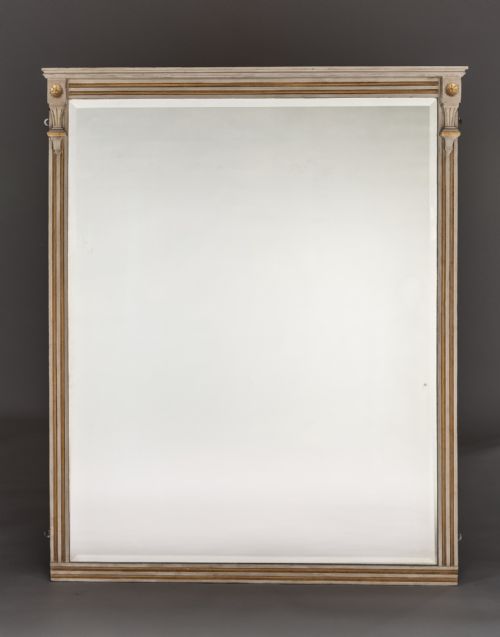
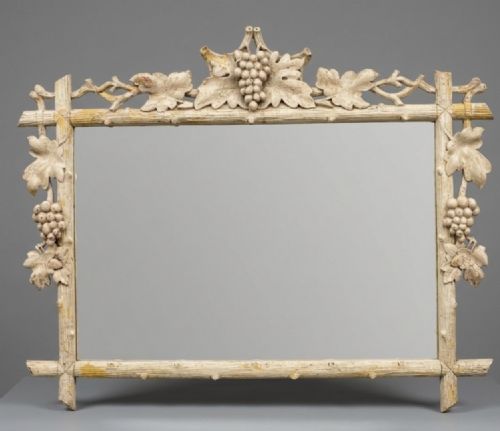
When you search for a white painted frame mirror, you encounter substantial wall and overmantle pieces originating from the nineteenth century through to the early twentieth century. These furnishings frequently adopt French Chateau, Rococo Revival, or Neoclassical motifs to anchor a room.
The most common formats on this page are large overmantle mirrors and expansive wall mirrors, often built with carved wood and gesso frames. Many show regional English or French origins, spanning decorative arched tops, cushion profiles, and column-framed designs.
How they were made
Artisans constructed these frames primarily from carved wood, applying layers of gesso to build up intricate relief ornamentation such as floral motifs or architectural columns. This foundational work was then painted and sometimes finished with parcel-gilt details to catch the light.
Glass plates were set within these heavily decorated wooden structures, occasionally utilising original mirror glass that bears the gentle speckling of age. Distressed paint finishes develop naturally over decades, revealing the underlying wood or gesso beneath.
Several mirrors still carry the original mirror glass, holding quiet reflections from the reign of Queen Victoria.
What varies in quality
The depth and crispness of the hand-carving in the wood and gesso determine the structural distinction of each piece. Superior examples exhibit finely rendered architectural mouldings and harmonious proportions that retain their integrity across large overmantle formats.
The application and preservation of the painted surface dictate the visual weight of the mirror. Finishes that age gracefully without obscuring the underlying relief work separate ordinary joinery from exceptional decorative artistry.
The White Painted Frame Mirror Glossary
- Gesso
- A plaster-like mixture applied to wood frames to create a smooth surface for carving and painting. It allows craftsmen to model intricate three-dimensional details before finishing.
- Overmantle Mirror
- A large mirror designed to hang specifically above a fireplace mantelpiece. These pieces often feature wide proportions to reflect the hearth and surrounding room.
- Parcel Gilt
- A decorative technique where specific raised portions of a frame are highlighted with gold leaf. This method contrasts selectively with the primary white painted surface.
- Trumeau
- An antique wall mirror paired with an upper decorative panel, often integrated into wood panelling. They stem largely from French neoclassical interior design traditions.
- Cushion Mirror
- A frame style where the outer moulding curves outward like a stuffed pillow. This profile adds significant visual depth and volume to the wall.
White Painted Frame Mirror: Frequently Asked Questions
Where should I hang a large overmantle mirror?
These mirrors traditionally sit above a fireplace mantelpiece to bounce natural light around the main living space. Their generous dimensions make them effective focal points on any prominent chimney breast.
Ensure the wall fixings are secured directly into solid masonry or studwork to support the considerable weight of the wood and gesso frame.
How do I care for antique painted wood frames?
Dust the carved frame gently with a soft, dry brush to prevent dirt settling into the crevices of the gesso relief. Avoid using modern liquid polishes or harsh chemical cleaners that might degrade the aged paint surface.
Keep the mirror away from direct heat sources and damp environments to protect the wooden structure and prevent the painted finish from flaking.
How can I tell a Victorian piece from a French provincial one?
Victorian frames tend to feature heavier architectural elements, such as robust columns and deeper carved mouldings in oak or pine. They often lean towards formal overmantle proportions designed for grand nineteenth-century rooms.
French provincial and Chateau examples typically display lighter, more fluid Rococo curves, softer gesso scrolls, and distressed white or cream painted finishes tailored for domestic elegance.