



White Metal Bench
White metal bench options span graceful strapwork and ornate Victorian forms, bringing enduring outdoor seating to gardens.
White Metal Bench
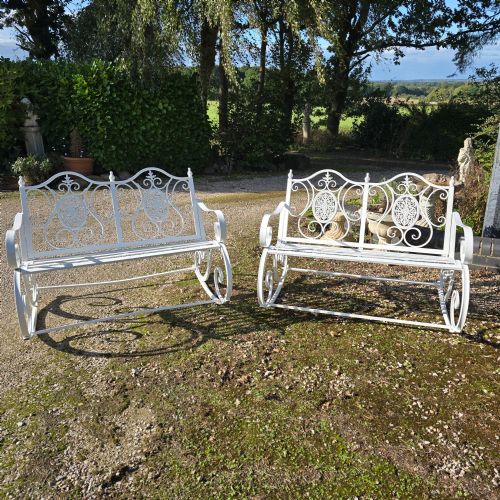
A white metal bench covers garden seating fashioned from iron, steel, and aluminium across periods from the Regency era through the Victorian period and into the 1930s. Buyers searching for a white metal bench seek durable outdoor furniture that combines structural ironwork with decorative styling.
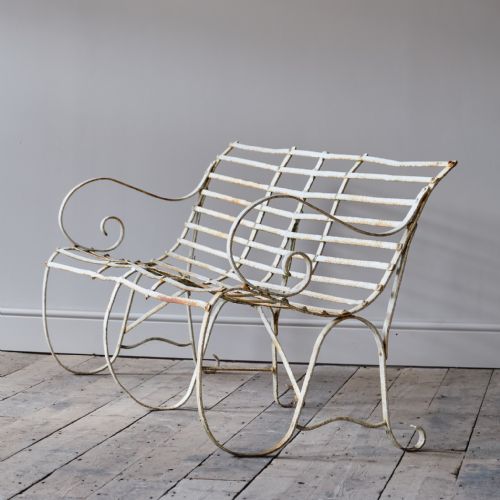
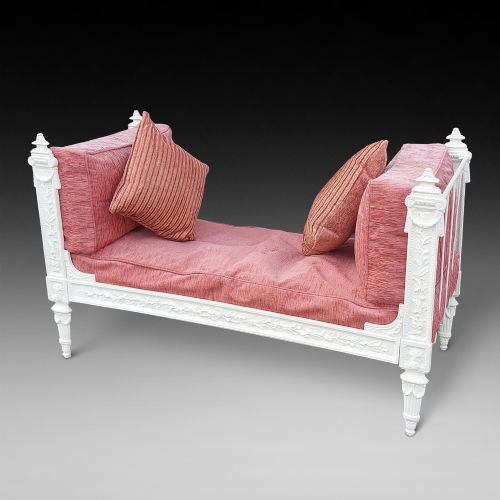
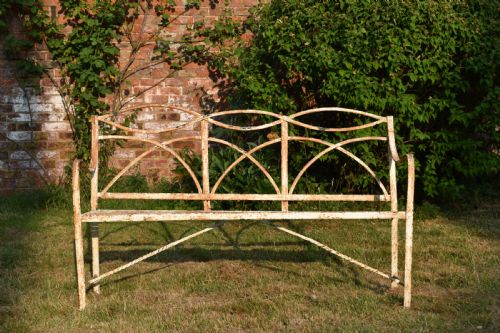
The selections available here range from strapwork garden benches and Gothic-influenced seats to faux bois designs and daybeds. Most examples date from the nineteenth century or interpret Regency and Victorian aesthetics.
Materials and construction
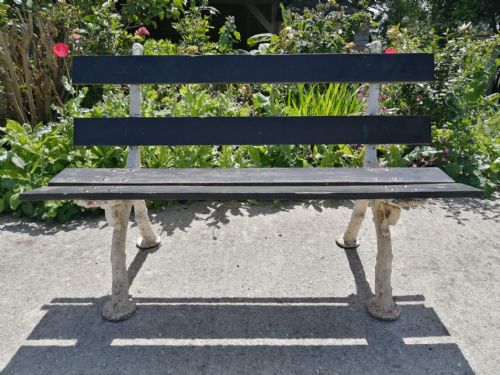
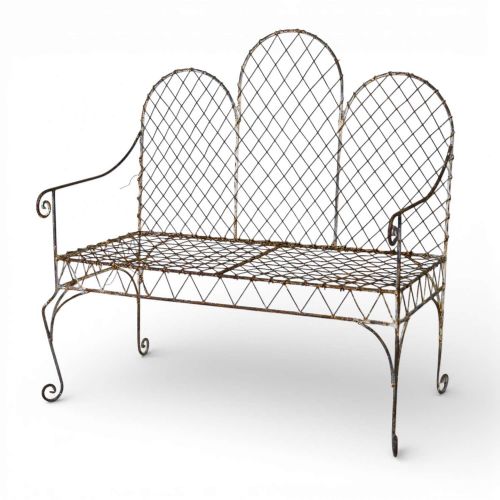
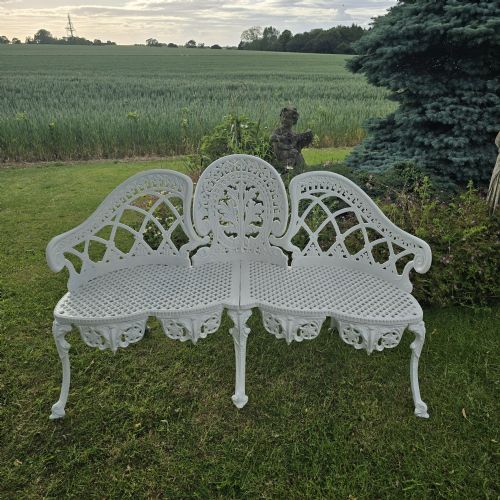
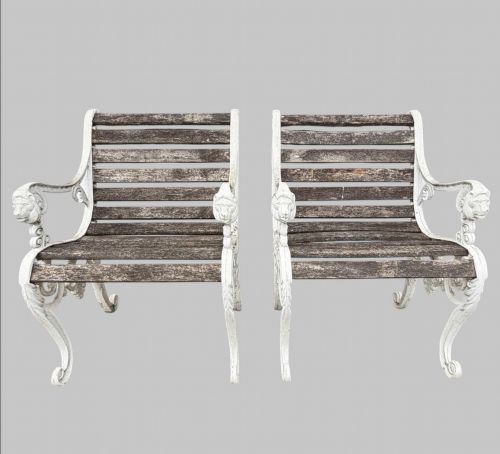
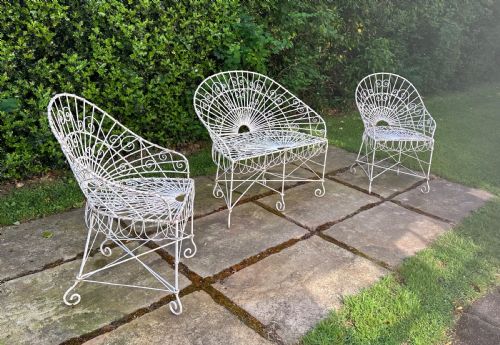
Construction relies heavily on cast iron and wrought iron, supplemented by steel, cast aluminium, and wirework. Metal components are often shaped into strapwork, lion masks, or naturalistic wood-effect faux bois forms.
Many pieces incorporate painted surfaces, while certain designs combine metal frameworks with timber slats or fabric elements to provide seating comfort.
White Metal Bench Retail Price Guide 2026
Typical asking prices for white metal bench among the pieces listed under this phrase on Sellingantiques today, from the lower quarter to the upper quarter. They describe what is for sale here now, not the wider market.
The listings on this site feature wrought iron, cast iron, steel, and cast aluminium across the nineteenth and twentieth centuries.
Assessing quality and design
Quality reveals itself in the crispness of casting details, such as intricate foliage, animal masks, or complex strapwork patterns. Heavier gauge metal and refined blacksmithing distinguish superior examples from simpler utilitarian seats.
The integrity of the original structure and the subtlety of period styling, from Regency elegance to Victorian ornamentation, dictate the distinction between standard production and exceptional pieces.
Coalbrookdale
The White Metal Bench Glossary
- Strapwork
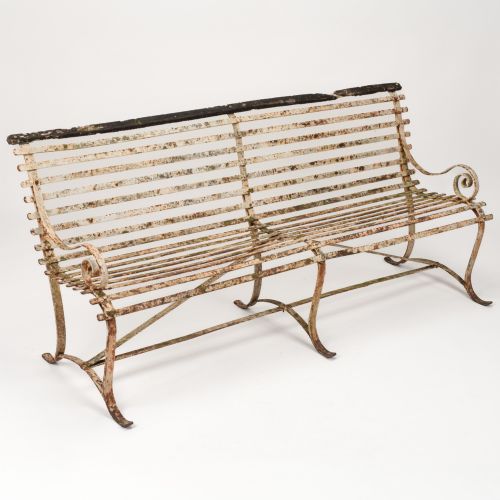
- Flat bands of metal arranged in geometric or interlaced patterns. This technique creates an open, linear aesthetic often seen on Regency garden seats.
- Faux bois
- Imitation of wood grain rendered in cast iron. Makers used this method to combine rustic timber appearance with the durability of metal.
- Daybed
- A couch-form seat suitable for reclining outdoors. These pieces feature raised ends and robust metal frames.
- Arbour
- A shaded garden alcove or seat enclosed by climbing structures. Wirework examples provide architectural framing for plants.
- Cast iron
- Molten metal poured into a mould to create decorative forms. This material enables intricate ornamentation like lion masks and elaborate scrollwork.
White Metal Bench: Frequently Asked Questions
How do I date a white metal bench?
Dating relies on stylistic clues and construction methods, observing whether a piece displays Regency strapwork, Victorian ornamentation, or later twentieth-century restraint.
Examining the metal type, such as early wrought iron versus later cast aluminium or steel, helps narrow down the period.
Can these benches stay outdoors year round?
Most metal benches are built for exterior environments using robust iron and steel alloys designed to withstand weather exposure.
Applying protective paint coatings helps preserve the material integrity through seasonal changes.
What is the difference between cast iron and wrought iron?
Cast iron is poured into moulds, allowing for complex decorative motifs and high relief detailing like animal masks and faux bois.
Wrought iron is forged by hand, resulting in flexible linear elements such as the strapwork common on Regency garden seats.
How should I care for painted garden furniture?
Maintaining painted finishes involves cleaning dirt accumulation gently and touching up bare spots promptly to prevent rust formation on the underlying metal.
Periodically assessing the paint layer ensures moisture does not compromise the iron or steel structure beneath.