

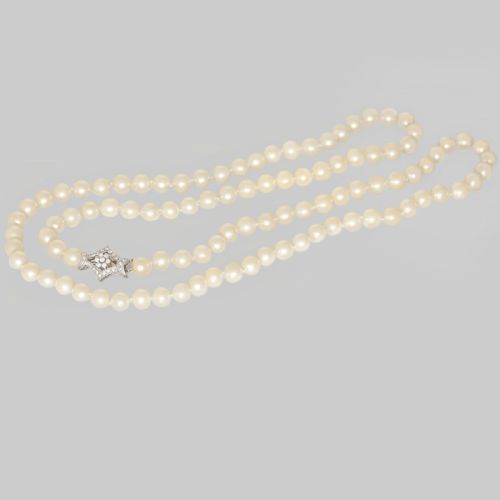


White Gold Pearl Strand
A white gold pearl strand combines lustrous marine or freshwater spheres with cool metal clasps, offering enduring elegance for daily wear or formal occasions.
White Gold Pearl Strand
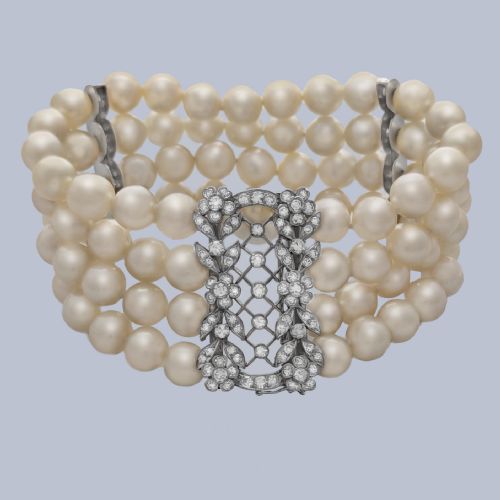
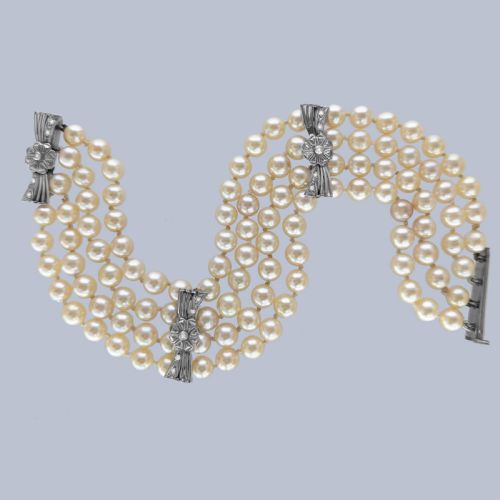
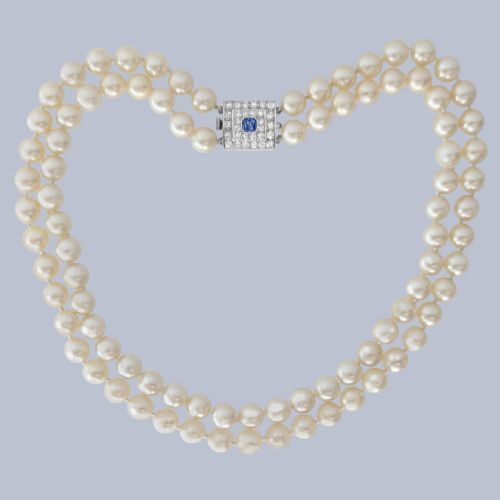
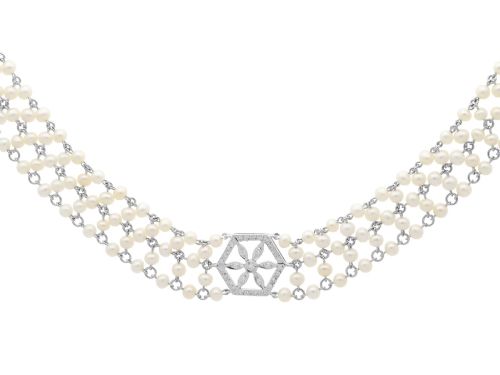
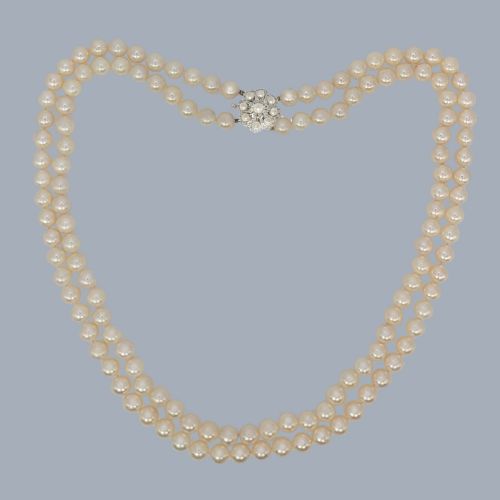
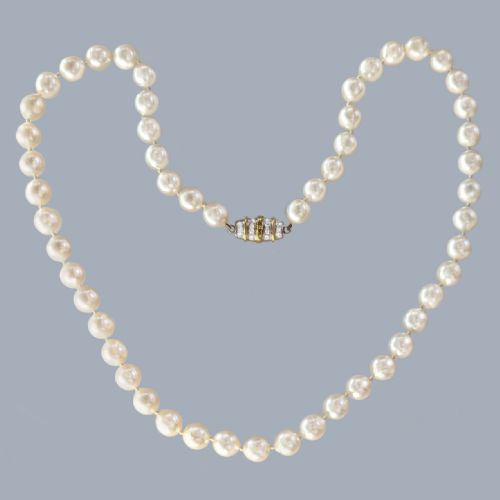
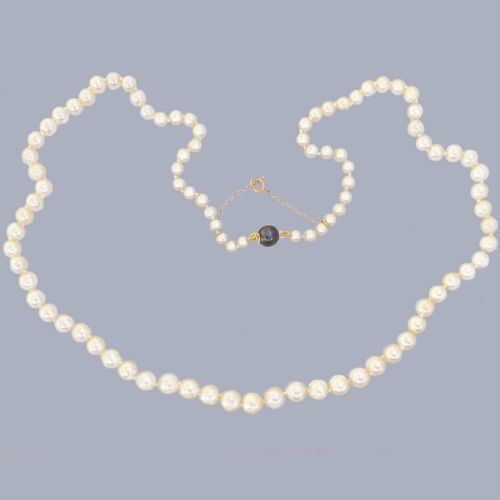
A white gold pearl strand comprises one or more rows of pearls secured by a clasp fashioned from white gold. These pieces span historical eras from the Victorian period through to the mid-century modern design movement.
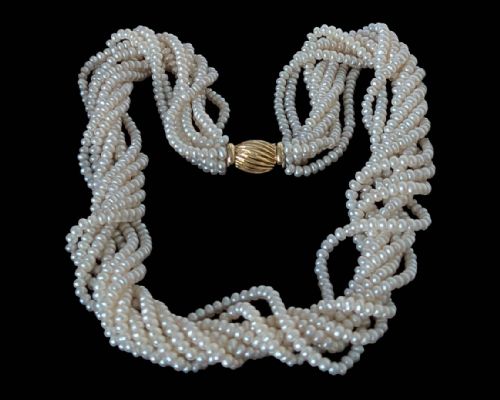
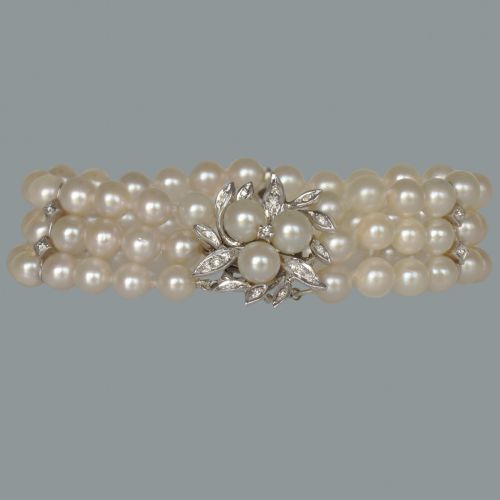
The selections on this page appear most frequently in single, double, or triple strand configurations. Many examples incorporate gemstones such as diamonds, sapphires, and rubies set directly into the clasp mechanism.
How they were made
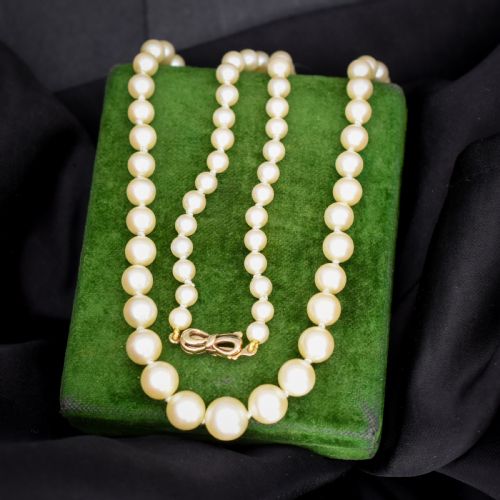
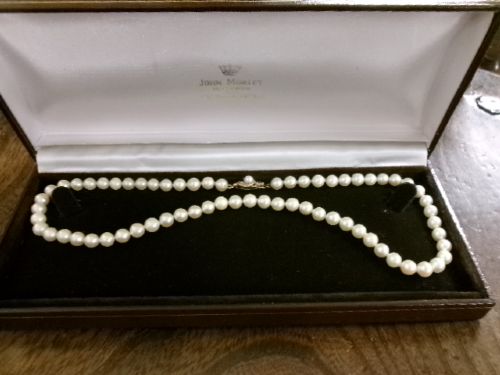
The construction relies on drilling individual pearls and stringing them securely, frequently utilising hand-knotted silk threads between each sphere to prevent friction loss. Clasps are forged from various grades of white gold, including 9ct and 18ct compositions.
Many mountings integrate diamonds cut in old styles, rose cuts, or modern facets, alongside coloured gems. Secure box clasps or safety chains often finish the piece to ensure safe fastening.
White Gold Pearl Strand Retail Price Guide 2026
Typical asking prices for white gold pearl strand among the pieces listed under this phrase on Sellingantiques today, from the lower quarter to the upper quarter. They describe what is for sale here now, not the wider market.
Listings feature white gold pearl strands spanning the Victorian era through the 1960s, utilising both natural saltwater and cultured pearls.
What varies in quality
Quality diverges based on the nacre thickness, surface smoothness, and uniform matching of the pearls across the strand. Saltwater specimens often command higher regard than freshwater equivalents due to their specific lustre.
Cropp And Farr
The White Gold Pearl Strand Glossary
- Cultured pearl
- A pearl formed with human intervention by inserting a nucleus into an oyster or mussel. These make up the majority of twentieth-century strand jewellery.
- Graduated
- A design where pearls diminish steadily in size from the centre front towards the clasp. This technique ensures a balanced appearance when worn around the neck.
- Choker
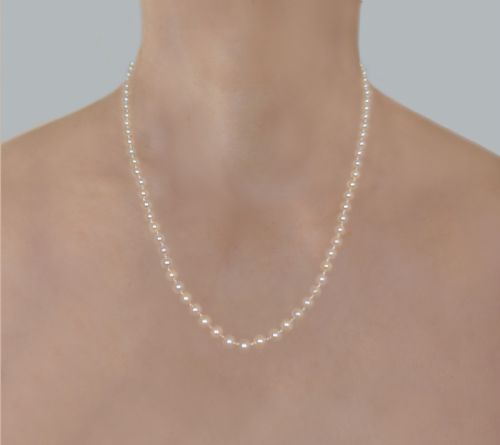
- A short necklace length sitting closely around the base of the neck. These usually measure between fourteen and sixteen inches.
- Nacre
- The iridescent organic-inorganic composite substance secreted by molluscs to form pearls. Thicker layers generally produce superior lustre and durability.
- Old cut diamond
- A diamond cut by hand before modern machinery, featuring a smaller table and higher crown. These stones frequently appear in antique clasps.
White Gold Pearl Strand: Frequently Asked Questions
How do I care for my pearl strand?
Wipe pearls gently with a soft cloth after wearing to remove cosmetic residue and body oils. Store them flat away from other jewellery to prevent scratching.
Avoid exposing pearls to harsh chemical cleaners, perfumes, or ultrasonic baths. Professional restringing every few years protects against sudden breakage.
What is the difference between cultured and natural pearls?
Natural pearls form entirely without human assistance in wild molluscs, making them exceptionally scarce. Cultured pearls begin with a human-inserted irritant inside a farmed oyster.
Both varieties exhibit genuine nacre and similar optical properties under magnification. Expert gemmological laboratories determine origin through specialised testing.
How should I choose a strand length?
Shorter lengths like chokers sit high on the collarbone for a traditional profile. Opera lengths offer versatility through doubled or knotted styling.
Consider your usual necklines and wardrobe preferences when selecting dimensions. Longer multi-strand pieces provide dramatic impact for formal attire.
How do I date a pearl necklace?
Examine the construction of the clasp and the style of any accompanying metalwork. Art Deco pieces display geometric motifs, while mid-century designs often feature floral or abstract patterns.
British hallmarked clasps provide precise assay office dates and metal purity standards. Knotting style and certificate documentation also assist in chronological placement.