

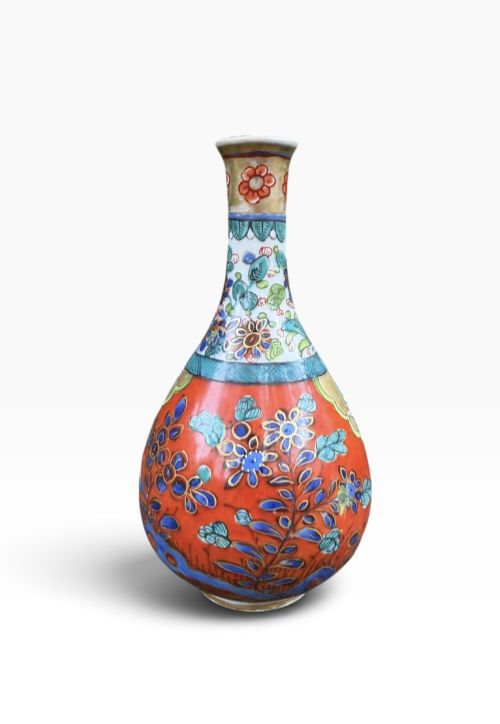
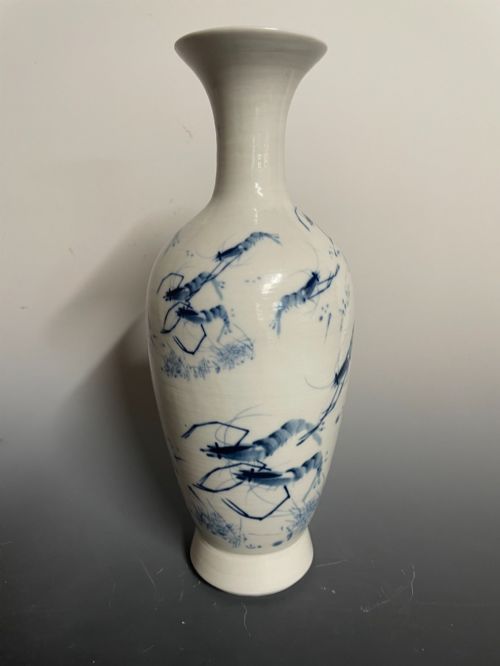
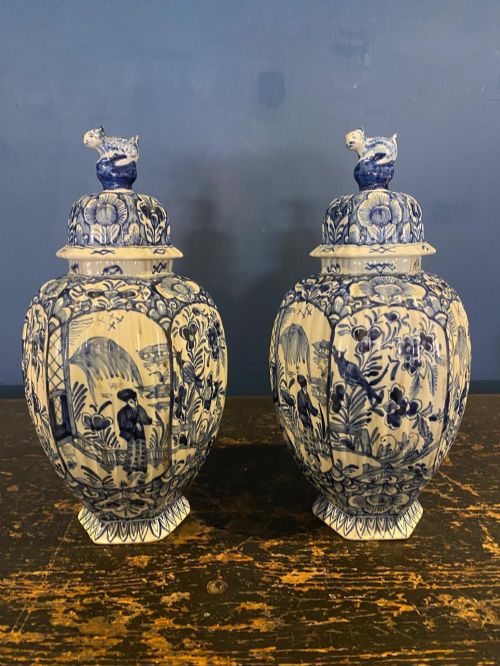
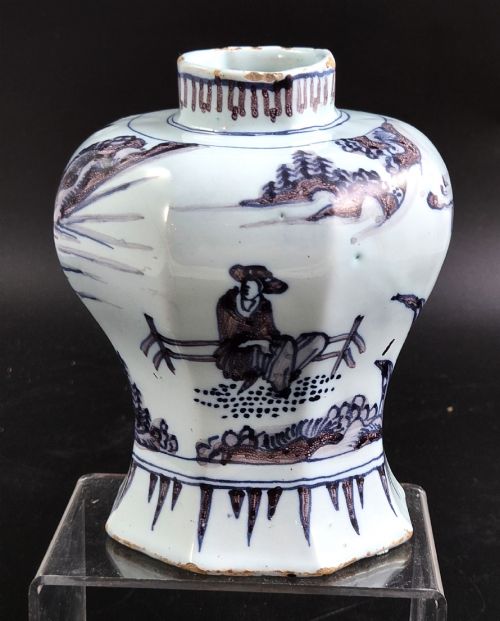


White Glazed Pottery Urn
A white glazed pottery urn brings sculptural weight and classic form to a room, drawing the eye through crisp white surfaces and traditional vessel silhouettes.
White Glazed Pottery Urn
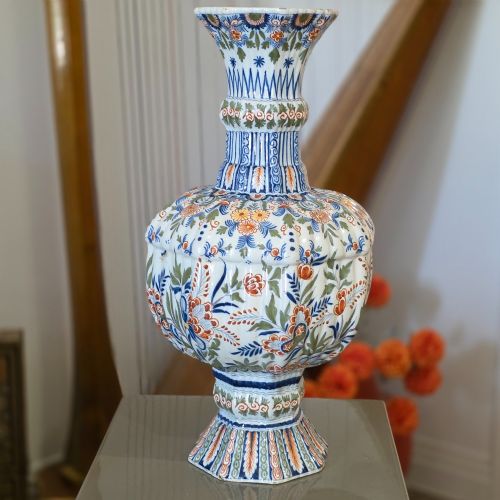
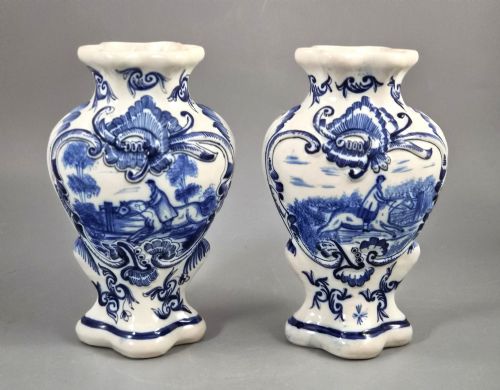
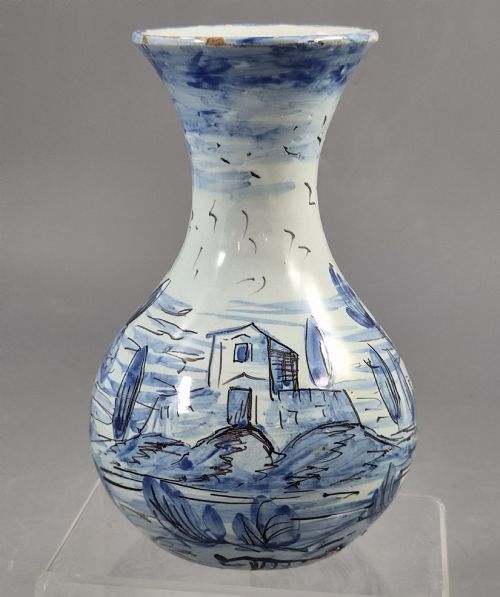
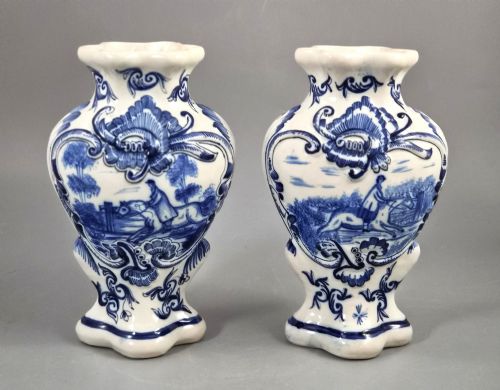
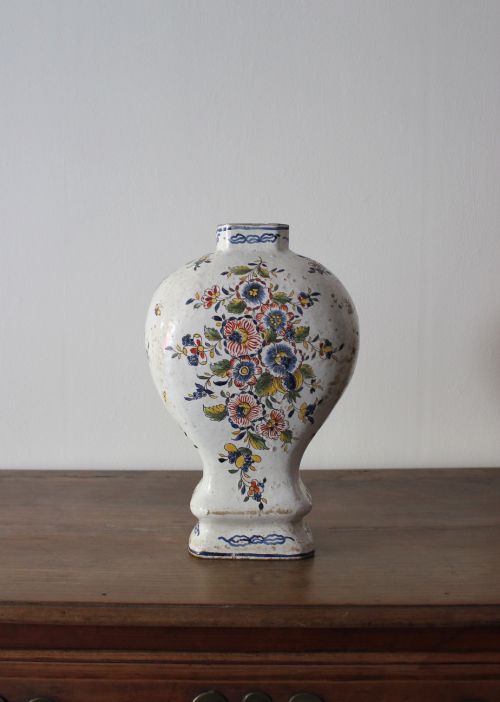
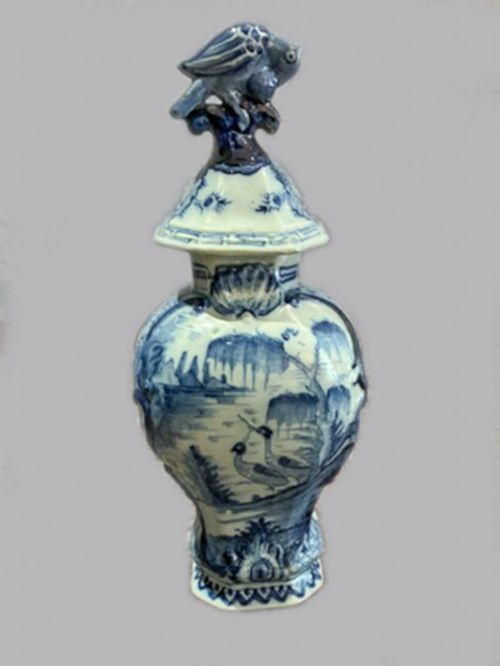
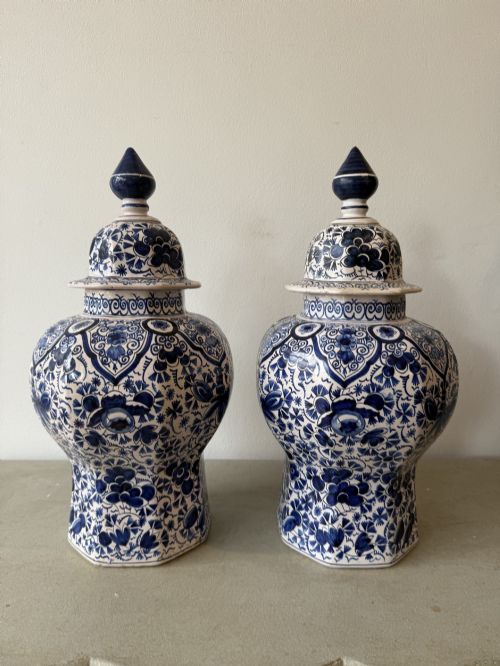
A white glazed pottery urn covers a range of ceramic vessel forms designed for display, storage, or lighting, spanning centuries of European and Asian production. Buyers searching for a white glazed pottery urn most frequently encounter Dutch Delftware and French faience pieces from the eighteenth and nineteenth centuries, often rendered in blue and white or plain tin-glaze.
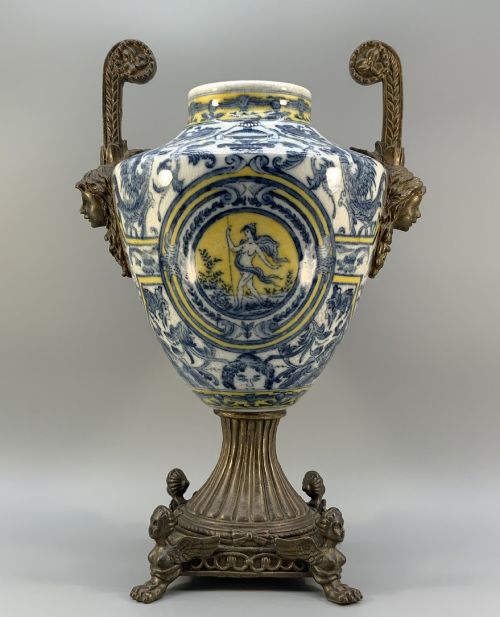
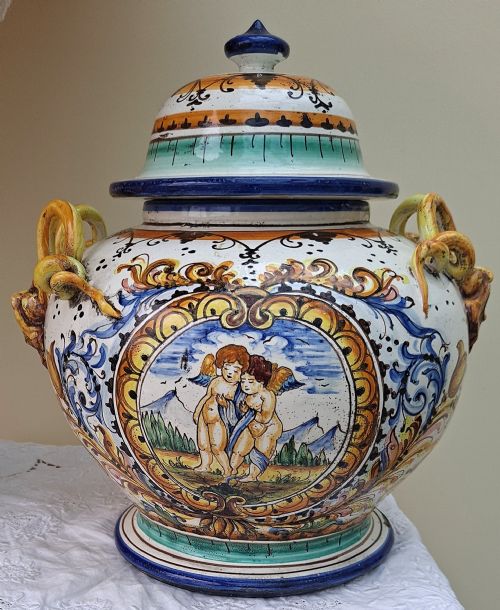
The selection includes baluster vases, lidded jars, and handled urns alongside adapted table lamps, showing how utilitarian forms transitioned into decorative ornaments. Makers across Italy, France, and the Netherlands produced these glazed earthenware and ceramic bodies, incorporating styles that reach from Dutch Baroque to Renaissance Revival.
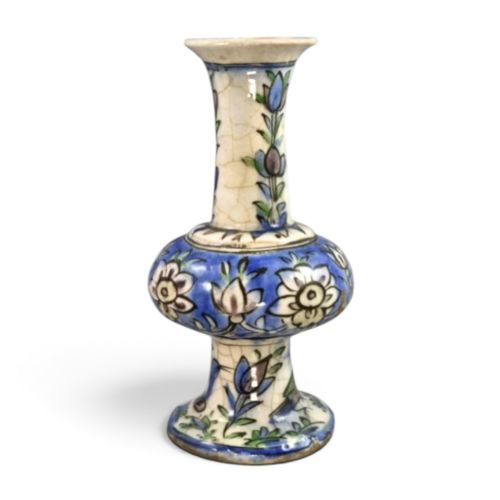
Beyond European workshops, the inventory extends to Chinese porcelain and Qajar Persian ceramics, demonstrating a wide geographical spread for similar white-ground pottery traditions. These pieces vary from modest cabinet vases to large lidded pairs intended for mantelpieces or entrance halls.
Materials and Construction Techniques
Potters shaped these vessels using earthenware and ceramic bodies, applying tin glazes or white glazes to create an opaque, reflective ground for painted decoration or plain display. Workshops utilised traditional throwing and moulding techniques to achieve baluster, beaker, and urn profiles, occasionally integrating metal mounts in brass or bronze during later revival periods.
The glazing process involved coating the fired clay body with a tin-opacified compound before secondary firing, which fixed cobalt blue, manganese, or polychrome pigments into the surface. French faience and Dutch Delftware makers relied on these specific chemical compositions to imitate imported Chinese porcelain or to develop distinctive regional aesthetics.
White Glazed Pottery Urn Retail Price Guide 2026
Typical asking prices for white glazed pottery urn among the pieces listed under this phrase on Sellingantiques today, from the lower quarter to the upper quarter. They describe what is for sale here now, not the wider market.
Listings feature earthenware, ceramic, and porcelain bodies finished with tin glaze, brass elements, and hand-painted blue and white or polychrome pigments.
Assessing Quality and Execution
Quality in these ceramics rests on the crispness of the potting, the stability of the glaze, and the control shown in the painted or modelled details. Superior examples exhibit balanced proportions, even glaze coverage without excessive pooling, and finely executed hand-painted motifs that reflect the skill of the individual workshop.
The sophistication of the stylistic revival also dictates standing, with pieces produced by documented potteries demonstrating greater ambition in form, mounting, and surface finish than standard domestic ware. The integration of metalwork and the preservation of original lids further distinguish exceptional specimens from standard survivors.
Fourmaintraux-Courquin·Cantagalli·Gao Hengsheng
The White Glazed Pottery Urn Glossary
- Tin-Glazed Earthenware
- Pottery covered with a lead glaze made opaque by the addition of tin oxide. This white surface served as the canvas for blue and white or polychrome painting in European traditions.
- Faience
- European tin-glazed earthenware, most notably produced in France. The term encompasses a variety of decorative tablewares and ornamental urns.
- Baluster
- A vertical architectural form with a swelling lower portion resembling a vase shape. Many tall ceramic jars and vases follow this symmetrical profile.
- Polychrome
- Decoration executed in multiple colours. In these ceramics, it typically describes floral or pictorial designs painted across the white glazed ground.
- Maiolica
- Italian tin-glazed earthenware decorated with colours on an opaque white background. Production spans from Renaissance origins through nineteenth-century revivals.
White Glazed Pottery Urn: Frequently Asked Questions
How do I date a white glazed pottery urn?
Dating relies on examining the ceramic body, glaze characteristics, and stylistic markers such as Renaissance Revival or French Rococo influences. Supporting evidence like base marks or known workshop production spans also help narrow the decade of creation.
Changes in potting thickness and pigment tones provide further clues when distinguishing eighteenth-century originals from nineteenth-century revival pieces.
Were these urns originally used for holding flowers?
Many forms, including specific posy vases and handled jars, served functional roles for displaying cut stems or dried botanicals. Others functioned strictly as decorative ornaments or lidded storage vessels for dry goods.
Larger urns and covered jars were primarily designed to anchor architectural spaces within domestic interiors rather than hold water.
How should I clean a fragile glazed urn?
Dusting gently with a soft, dry brush is the safest method for routine maintenance of historic tin-glazed surfaces. Avoid harsh chemical cleaners and submerging porous earthenware in water, particularly if the piece has old repairs or metal mounts.
Professional conservation advice should be sought if deeper cleaning is required to remove stubborn surface grime.
What is the difference between Delftware and faience?
Delftware specifically refers to tin-glazed earthenware made in the Netherlands, famous for its cobalt blue palette and Chinoiserie motifs. Faience is the broader French term for the same technical process applied in workshops across France.
Both traditions utilised white tin glazes to mimic Chinese porcelain before developing their own distinct regional styles.