


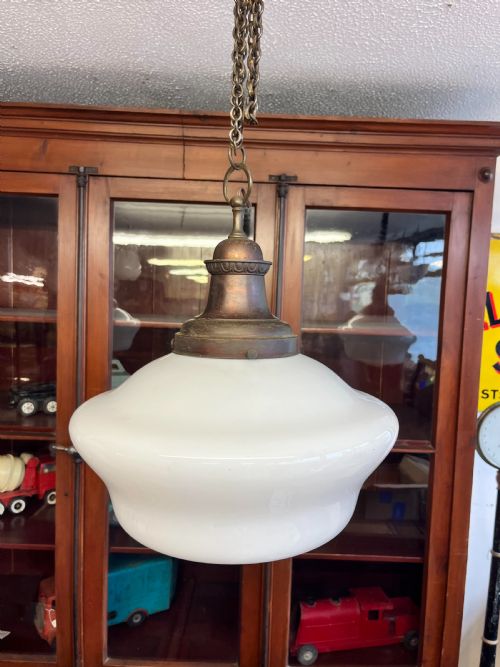


White Glass Globe Lamp
A white glass globe lamp brings a soft, diffused light to a room through globes and shades crafted from opaline, moonstone, and milk glass.
White Glass Globe Lamp
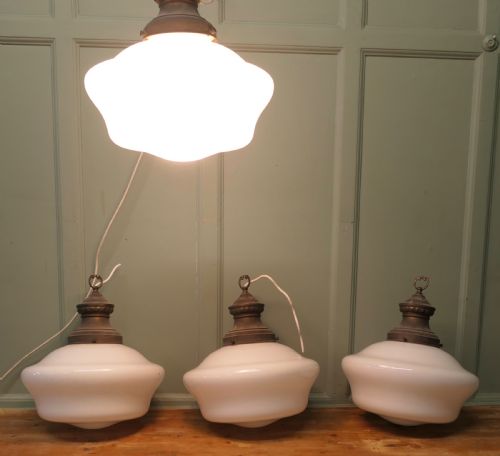
A white glass globe lamp encompasses a variety of lighting forms designed to diffuse illumination evenly across a space. These pieces range from pendant lights and ceiling fixtures to table lamps and oil lamps featuring spherical or rounded shades.
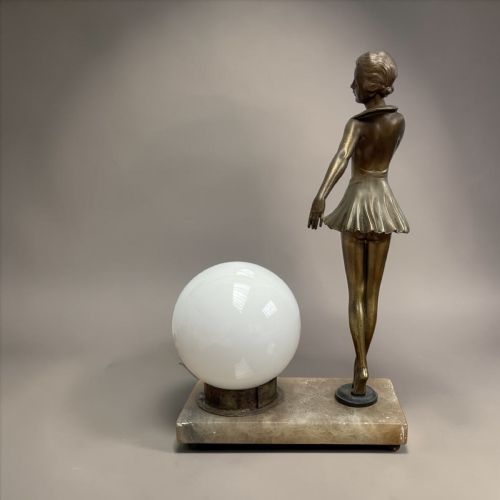
Buyers browsing this selection will frequently encounter items produced during the Victorian, Edwardian, and Art Deco periods, alongside industrial pieces from the early twentieth century. Materials span from opaline and milk glass to moonstone and frosted glass, often paired with brass or chrome mountings.
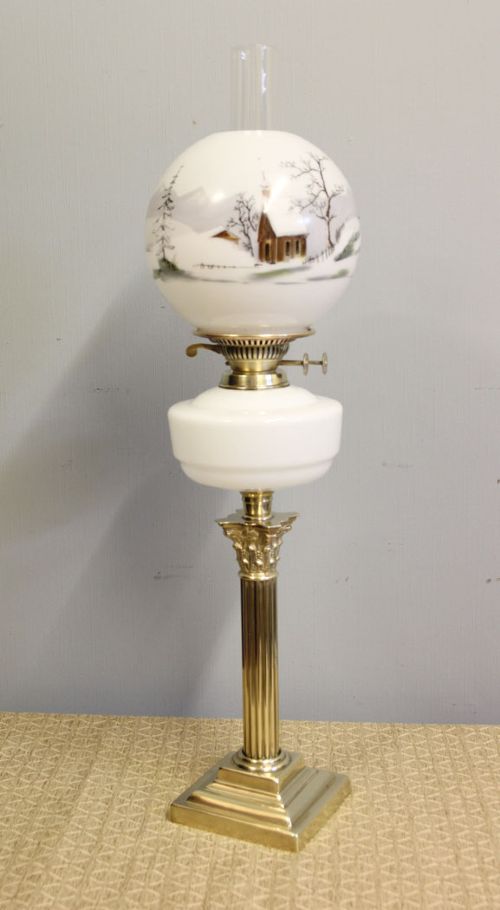
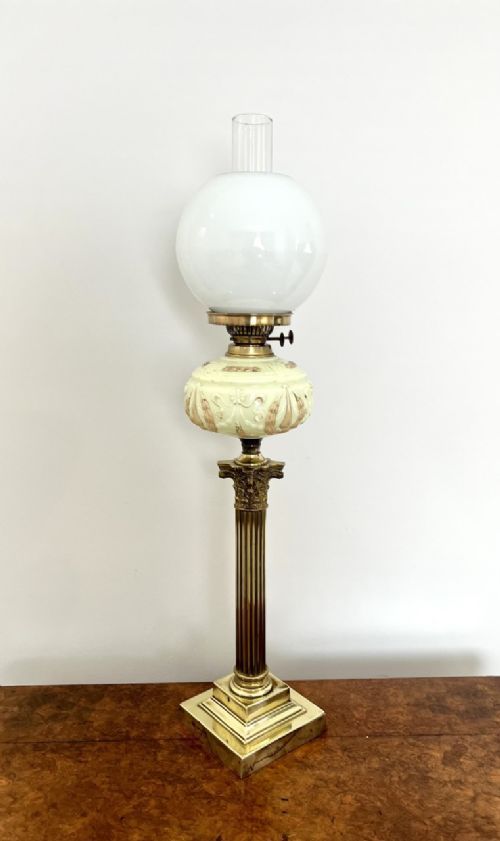
The assortment includes oil lamps with glass globes, hallway pendants, chapel lights, and converted lamps from the nineteenth century onward. These lighting fixtures bring period character and functional illumination to both traditional and modern interiors.
How they were made
Glass is blown or moulded into opaque white forms, utilising opaline, milk glass, or moonstone to achieve a soft diffusion of light. These glass globes and shades are frequently paired with metal components such as cast brass, chrome, or spelter.
Mountings and bases involve traditional metalworking techniques, seen in brass oil lamp fonts, Corinthian columns, and chrome frames. Some pieces incorporate marble bases or ceramic elements to provide stability and decorative contrast.
The listings show periods ranging from the nineteenth century through the Art Deco era, with brass and opaline glass dominating the materials.
What varies in quality
The distinction between standard and superior pieces rests on the weight and finish of the glass, alongside the integrity of the metalwork. Heavier opaline or moonstone shades with even light distribution indicate finer production.
The quality of the secondary materials, such as heavy cast brass or detailed spelter figures, elevates the piece. Artistry in etched crystal designs or specialised forms like fish scale patterns also separates exceptional items from simpler utilitarian wares.
The White Glass Globe Lamp Glossary
- Opaline Glass
- An opaque or translucent white glass that diffuses light softly. It became widely used in lighting fixtures during the nineteenth and early twentieth centuries.
- Milk Glass
- A dense, opaque glass, often milky white in appearance, moulded into shades and globes. This material was popular for both decorative and functional domestic items.
- Spelter
- A zinc alloy frequently used as a cheaper substitute for bronze in decorative figures and lamp bases. It is often painted or bronzed to resemble more costly metals.
- Moonstone Glass
- A type of art glass characterised by a mottled, translucent appearance resembling the stone. It scatters light with a distinctive cloudy depth.
White Glass Globe Lamp: Frequently Asked Questions
Where were these lamps used originally?
Many of these lighting fixtures served in domestic settings like hallways and living rooms, while others lit public spaces such as chapels and pharmacies.
Oil lamps provided primary illumination before widespread electricity, and many were later converted for modern use.
How do I clean an opaline shade?
Use warm water and a mild soap with a soft cloth to remove dust and grime from the glass surface.
Avoid harsh abrasives that might scratch the delicate white finish or damage any antique metal mounts.
Can I use modern bulbs in these lamps?
Most converted lamps and pendant lights accommodate standard modern LED bulbs, provided the wattage matches the historical fitting.
Check the wiring of older brass and chrome fixtures to ensure safety before installation.