



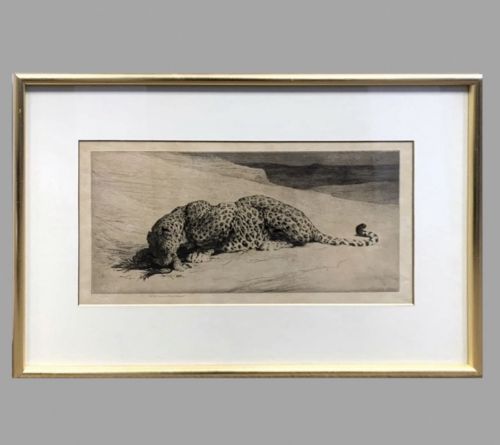
White Framed Art Print
A white framed art print brings historical engravings, etchings, and portraits into a room with clean lines and preserved paper beneath glass.
White Framed Art Print
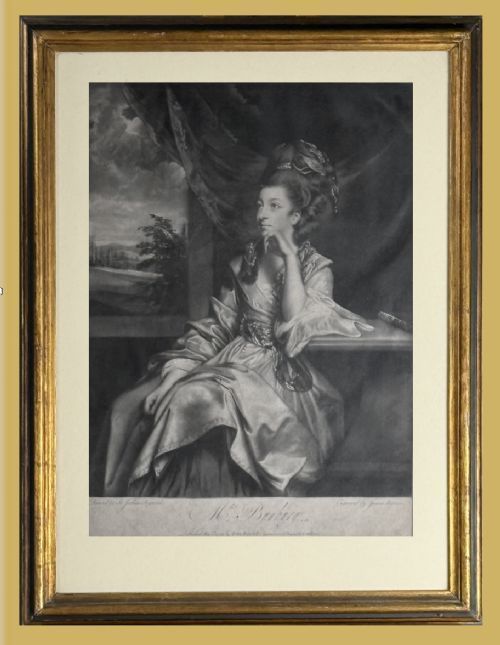
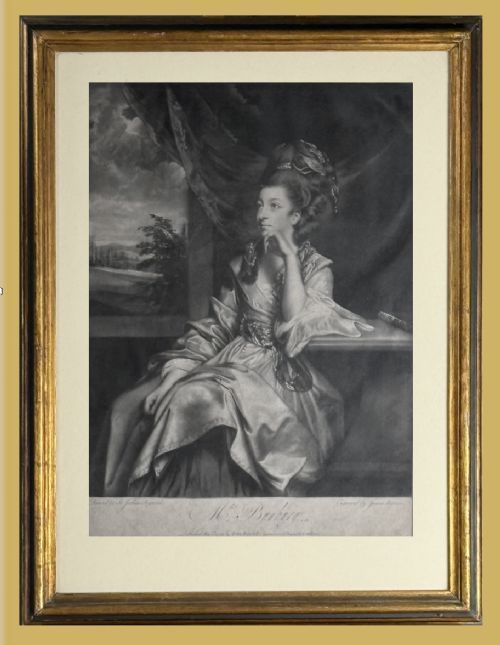
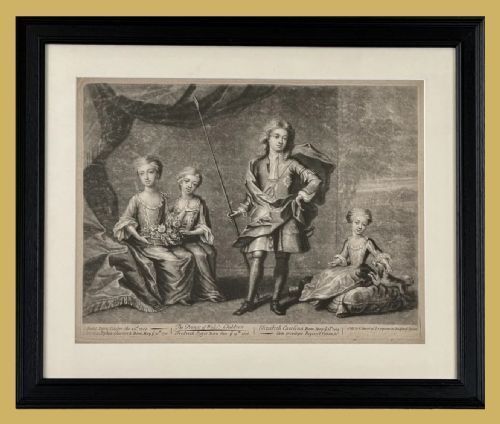
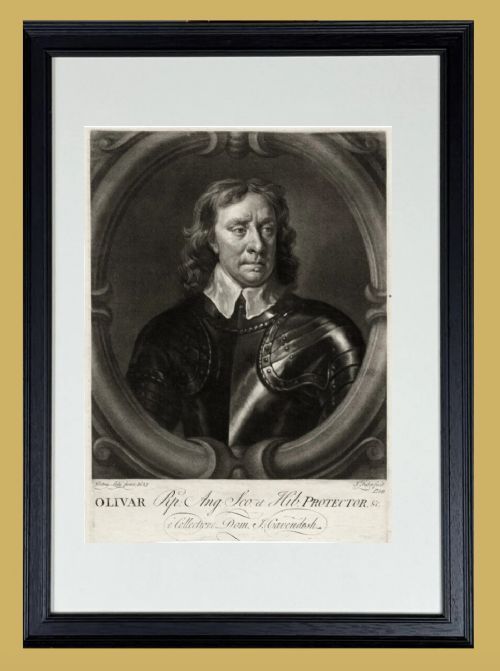
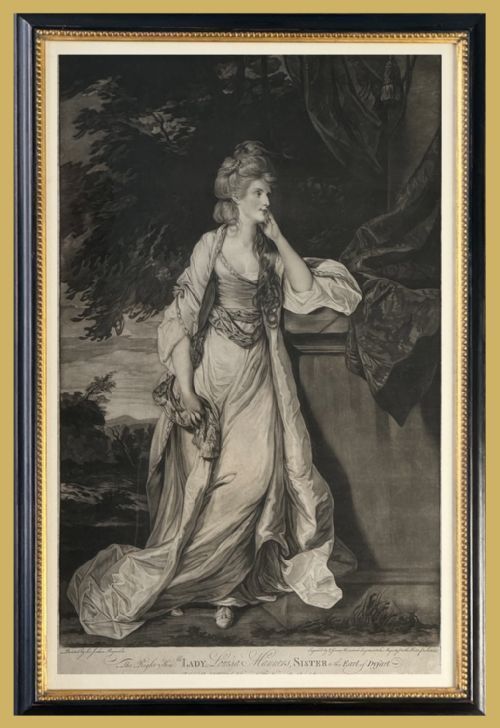
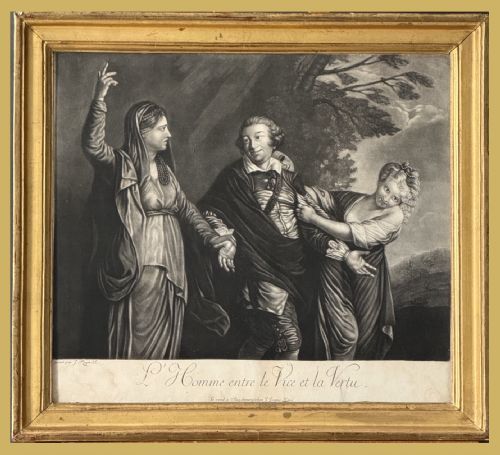
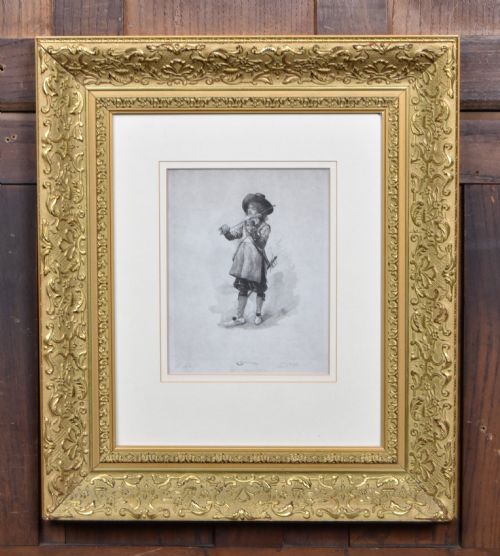
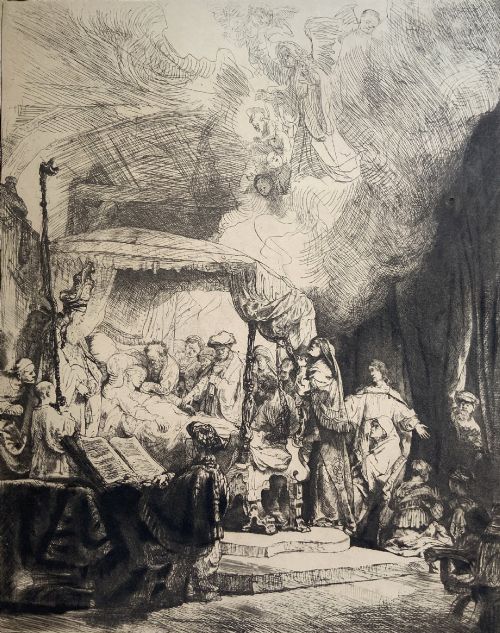
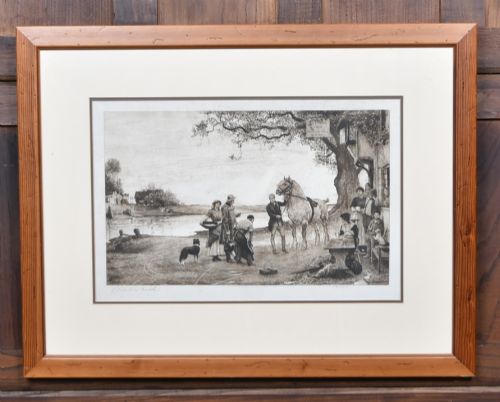
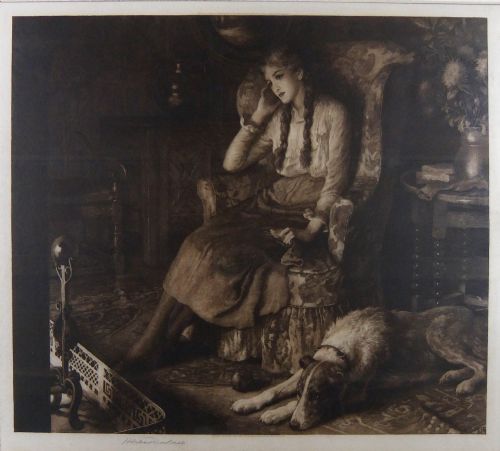
Subjects range widely from classical portraits and literary scenes to rural etchings and early twentieth-century animal studies. These works on paper capture historical subjects through ink, framed simply to direct focus entirely onto the printed surface.
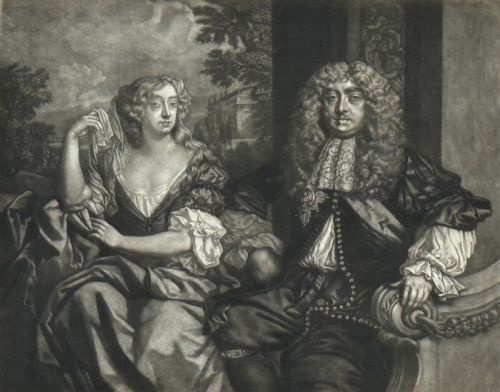
The dominant forms present seventeenth-century aristocratic portraits, eighteenth-century reproductive engravings, and nineteenth-century book illustrations. Each piece maintains its original graphic quality while resting inside a contemporary or period white frame.
Materials and construction
These works rely on traditional printmaking techniques executed on paper or vellum, utilising black and coloured ink applied through etching, engraving, or mezzotint rocker methods. Master printmakers transferred inked lines and tonal gradations onto delicate sheets before mounting them securely.
Encasing the works required glass protection set against wooden surrounds, occasionally enhanced with gold leaf accents or gilt wood details beneath the primary white finish. Oak and softer timbers formed the structural frames that support the fragile paper within.
Listings feature paper, glass, wood, and ink across multiple centuries, including Victorian, Georgian, and Edwardian periods.
Markers of distinction
Quality rests in the clarity of the ink impression and the preservation of the paper substrate beneath the glass. Early print strikes retain deep tonal contrasts and sharp plate marks, whereas later impressions lose definition in the finer shaded areas.
The integrity of the paper itself dictates value, where sheets free from heavy foxing, water damage, or tears demonstrate superior curation. Furthermore, artist signatures in pencil and limited edition proofs elevate certain twentieth-century etchings above standard book plates.
James Watson·John Smith·Valentine Green·Herbert Dicksee·Sir Joshua Reynolds
The White Framed Art Print Glossary
- Mezzotint
- A printmaking process where the copper plate is roughened uniformly to produce dark tones, then scraped and burnished to create light areas. This technique allows for rich, velvety gradations of shadow and light particularly suited to portraiture.
- Etching
- A method where lines are bitten into a metal plate with acid before being inked and pressed onto paper. Artists draw freely through an acid-resistant ground, yielding expressive and varied line work.
- Engraving
- A technique involving the direct cutting of lines into a metal plate using a hardened steel tool called a burin. The resulting image exhibits precise, clean lines and controlled geometric precision.
- Artist Proof
- An early impression printed to allow the artist to inspect the progress of the plate before the main edition is run. These often bear signature annotations in pencil by the maker.
- Foxing
- Brown or yellowish spots caused by chemical reactions in ageing paper, typically resulting from iron impurities or humidity. It is a common characteristic of antique works on paper.
White Framed Art Print: Frequently Asked Questions
How do I care for antique prints?
Keep framed pieces away from direct sunlight to prevent the ink and paper from fading over time. Maintaining stable indoor humidity levels also protects the paper and wooden frames from warping.
Ensure the glass is cleaned using non-abrasive methods that do not introduce moisture beneath the rebate. Professional framing conservation standards help maintain the paper structure indefinitely.
What is a mezzotint portrait?
A mezzotint is an intricate printmaking method that builds up rich dark tones and subtle highlights without relying on traditional line work. Printmakers used this process extensively to translate oil paintings into popular tonal prints during the seventeenth and eighteenth centuries.
Subjects were typically notable historical figures, royals, and aristocrats rendered with dramatic shadow and depth. These plates required immense skill to scrape and burnish by hand.
Are these prints original antiques?
The selection includes original period printings from centuries past, created using traditional hand-press techniques on aged paper. Each piece corresponds to the historical era noted in its description, from seventeenth-century plates to twentieth-century artist proofs.
Checking for plate marks, paper texture, and ink impression depth helps confirm the period of origin. These indicators separate authentic historical strikes from modern reproductions.
Why use a white frame?
A white frame provides a neutral, contemporary border that allows antique paper and dark ink tones to stand out visually. It bridges historical subjects with modern interior spaces without competing against the artwork.
This framing choice brightens dark graphic works and integrates traditional engravings seamlessly into minimal decor schemes. The bright surround draws the eye straight into the historic detail of the print.