

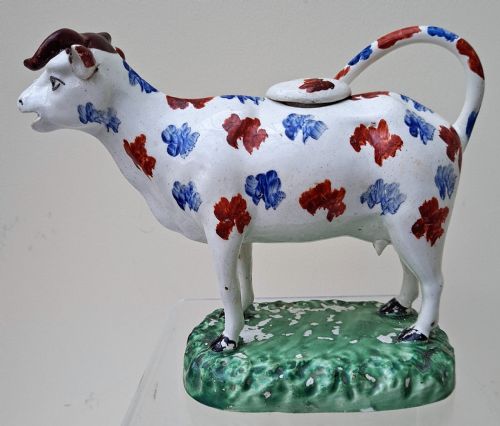


White Earthenware Jug
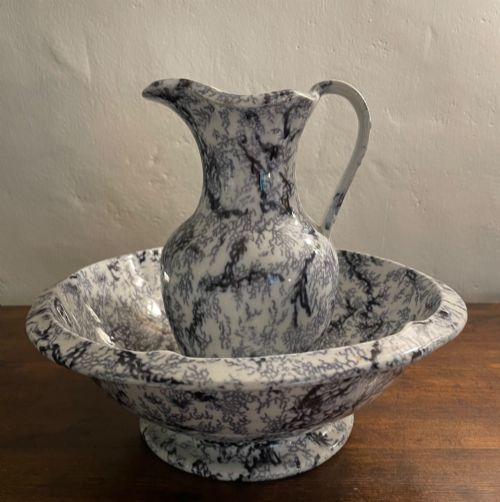
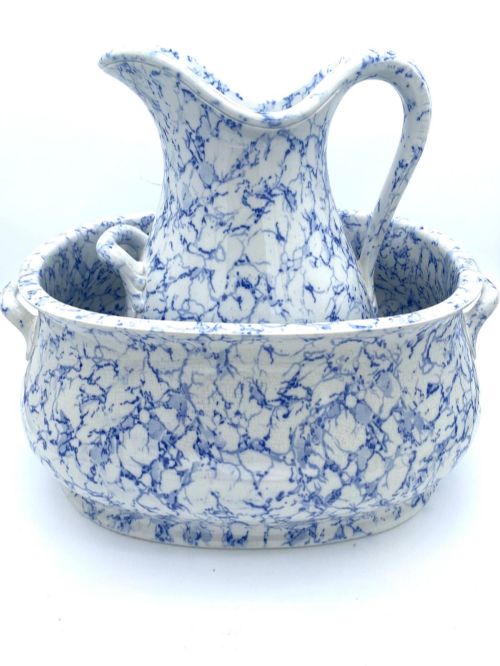
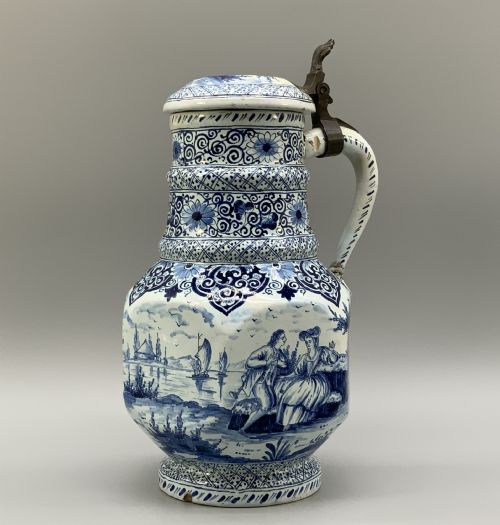
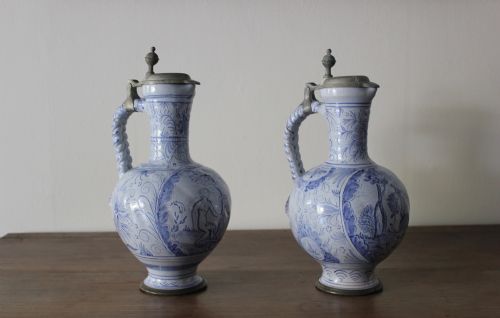
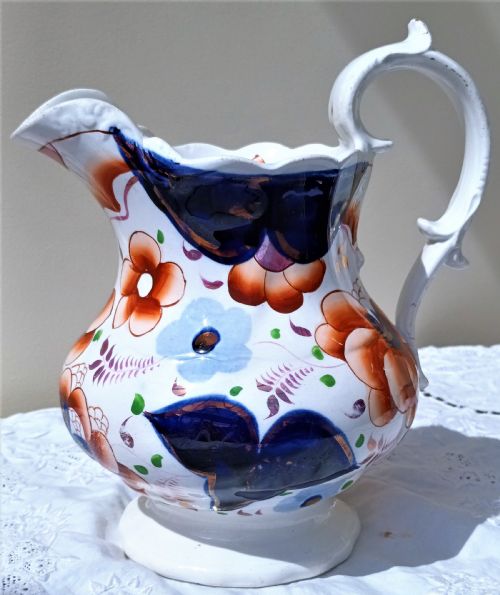
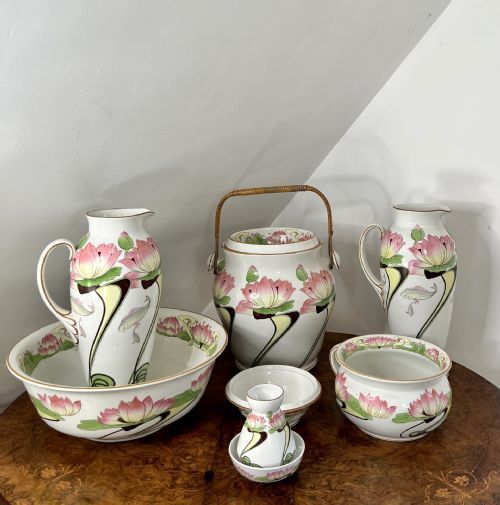
White earthenware jugs bring substantial ceramic weight and hand-painted or transfer-printed decoration straight from 18th-century Delft potteries and Victorian washstands.
White Earthenware Jug
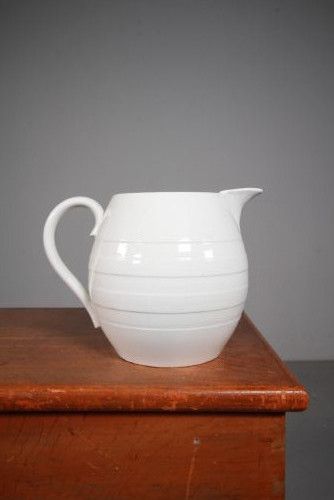
A white earthenware jug is a utilitarian vessel formed from clay, finished with a glaze, and shaped for pouring liquids from water to milk. They appear here primarily as 18th-century Dutch Delftware and English Staffordshire pieces from the Georgian and Victorian eras.
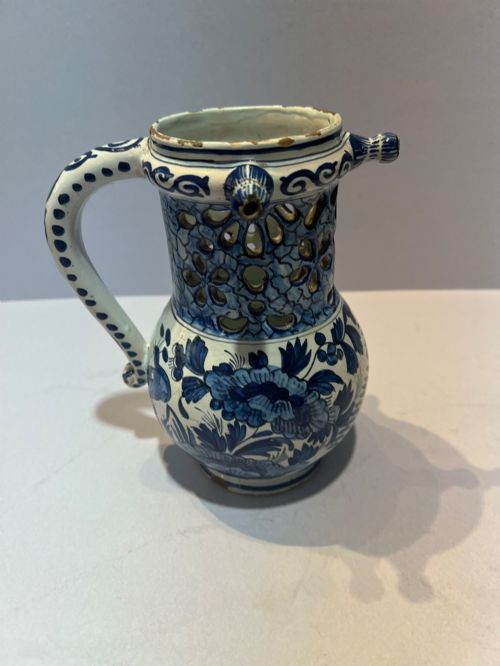
The selections range from tall water jugs and bedroom wash sets to small creamers, puzzle jugs, and commemorative pieces depicting figures like Lord Nelson or rural scenes.
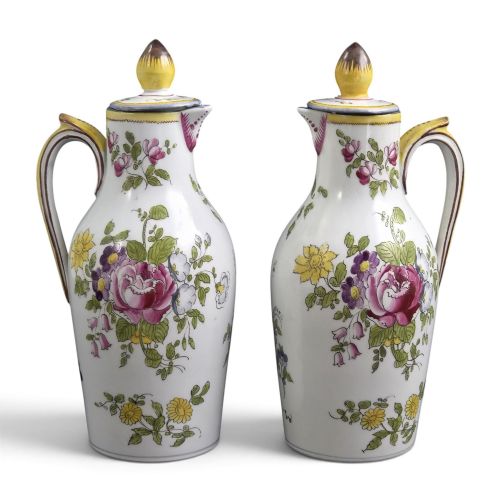
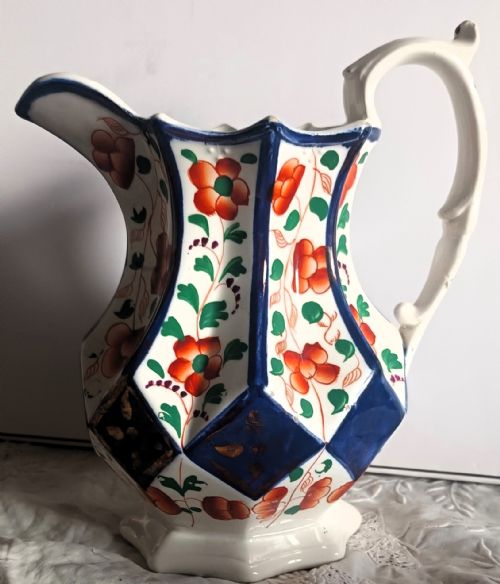
Makers utilised tin glaze, pearlware, and creamware bodies, often decorated with blue and white motifs, floral patterns, or polychrome enamel painting.
How they were made
Potters shaped these bodies from earthenware clay, sometimes employing cabbage leaf moulding or faceted designs before applying opaque white tin glazes or clear lead glazes.
Decoration relied on cobalt blue painting under the glaze or polychrome enamels fired on top of the surface, alongside early transfer printing techniques seen in flow blue patterns.
White Earthenware Jug Retail Price Guide 2026
Typical asking prices for white earthenware jug among the pieces listed under this phrase on Sellingantiques today, from the lower quarter to the upper quarter. They describe what is for sale here now, not the wider market.
Listings span tin-glazed earthenware, pearlware, and creamware across the 18th and 19th centuries.
What varies in quality
The clarity and depth of the blue-and-white or polychrome painting distinguish standard utilitarian production from finer artistic output, particularly in Delftware and Staffordshire figures.
Execution of the handle, spout modelling, and potting weight govern the success of the piece, where crisp moulding defines better examples.
Minton·Doulton Lambeth·Pieter Verburg·Leeds Pottery
The White Earthenware Jug Glossary
- Tin-glazed earthenware
- Pottery coated with a glaze containing tin oxide to produce an opaque white surface suitable for painted decoration. This technique underpins Dutch Delft and English delftware.
- Pearlware
- A refined earthenware developed in the late 18th century featuring a thin glaze with a faint bluish tinge designed to mimic porcelain. It often carries blue and white transfer prints.
- Creamware
- A fine earthenware perfected in Yorkshire with a pale yellowish-cream glaze, widely used for domestic tableware during the Georgian period. It offers a warm tone beneath painted or moulded details.
- Flow blue
- A Staffordshire transfer-printing style where the cobalt blue pigment intentionally bled into the surrounding glaze during firing. This created a soft, hazy outline across plates and large jugs.
- Puzzle jug
- An interactive ceramic vessel featuring a perforated neck and multiple spouts designed to confound drinkers. Users had to cover hidden holes with their fingers to drink without spilling.
White Earthenware Jug: Frequently Asked Questions
How do I date an old white earthenware jug?
Dating relies on body composition, glaze characteristics, and potting styles. Tin-glazed examples with manganese or blue painting typically point to the 18th century, while flow blue transfer printing and heavier earthenware bodies indicate the Victorian era.
Examine the base and handle construction for manufacturing clues. Earlier pieces often show kiln scars or footrim traits distinct from mass-produced 19th-century wash set pieces.
Were these jugs used for water or display?
Most of these vessels served practical domestic roles, carrying water for bedroom wash sets, holding milk, or serving as daily tableware. Larger pieces functioned within kitchens and sculleries.
Specialist items like puzzle jugs or Toby jugs also served social functions in taverns and homes. Their survival in good condition often stems from careful preservation rather than mere decorative storage.
What is the difference between delftware and pearlware?
Delftware uses an opaque white tin glaze over a buff or pinkish earthenware body, suited for hand-painted tin-glazed decoration. Pearlware utilises a whiter clay body covered in a thin, slightly blue-tinted lead glaze.
Pearlware pieces from Staffordshire frequently feature moulded reliefs and transfer printing. Delftware pieces lean towards hand-applied cobalt blue motifs originating from Dutch and English workshops.