


White Dial Wall Clock
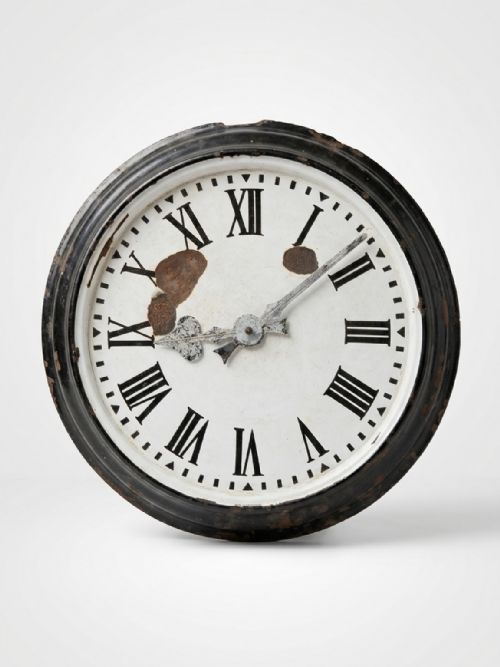
These white dial wall clock pieces bring striking scale and honest utility to any room, offering classic faces built for reliable timekeeping.

White Dial Wall Clock
When you search for a white dial wall clock, you are looking at timepieces that range from practical bulkhead instruments to large architectural faces. The selections on this page span the nineteenth century up to the nineteen-forties, covering Victorian examples as well as later industrial and maritime pieces.
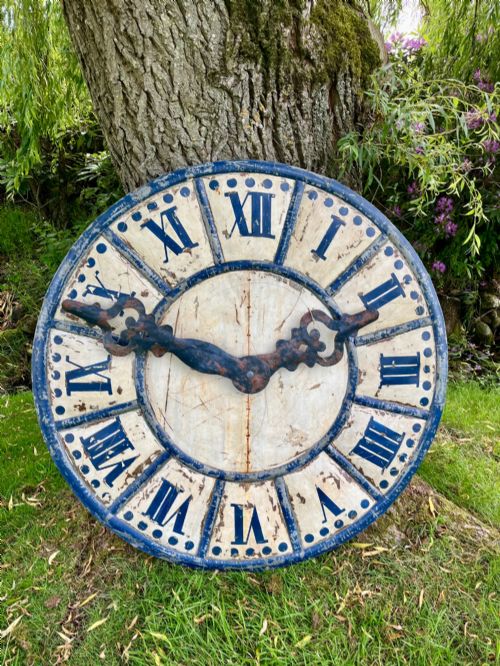
You will frequently encounter French provincial turret and tower clock faces alongside British fusee dial wall clocks. These objects transition easily between domestic interiors and commercial spaces, bringing historic character to plain walls.
How they were made
Clockmakers utilised robust materials such as brass, iron, and zinc to house intricate movements and protect delicate dials. Cases often feature solid timber such as mahogany, while faces are frequently finished in enamel or paint.
Fusee movements regulate power evenly throughout the winding cycle, ensuring steady accuracy in traditional British and French designs. Heavy glass covers protect the vulnerable painted or enamelled surfaces from dust and damage.
Even limited edition number eleven out of one thousand can quietly keep ticking on a kitchen wall.
What varies in quality
The distinction between ordinary and superior examples lies in the crispness of the dial lettering and the integrity of the original movement. Finer pieces retain their matching brass bezels and original hands without excessive repainting.
Substantial proportions and maker signatures, such as those from London workshops or provincial makers, elevate a piece. Heavy iron or brass cases with clean maritime provenance command stronger interest than standard utility models.
The White Dial Wall Clock Glossary
- Fusee
- A conical pulley used in a clock to maintain an even pull as the mainspring unwinds. This mechanism improves timekeeping accuracy across the running period.
- Bulkhead clock
- A rugged timepiece designed specifically for mounting on the interior walls of ships. These often feature heavy brass housings and waterproof gaskets.
- Turret clock
- A large clock designed for placement in a tower or exterior wall of a public building. The faces are built for high visibility from a distance.
- Enamel dial
- A metal face fused with powdered glass through high-temperature firing. This creates a hard, durable surface that resists yellowing over decades.
- Convex dial
- A clock face that curves outward toward the viewer, reducing glare from nearby windows. This shape is frequently found on nineteenth-century tavern and office clocks.
White Dial Wall Clock: Frequently Asked Questions
Where should I hang a large dial clock?
These prominent timepieces suit large open walls in kitchens, hallways, or living rooms where they act as a focal point. Ensure the wall structure can support the substantial weight of brass and iron cases.
Keep them away from damp areas and direct heat sources to protect the wooden surrounds and delicate painted or enamelled dial surfaces.
How do fusee movements work?
A fusee movement uses a specialised cone-shaped pulley and a cord or chain to equalize the decreasing power of the mainspring. As the spring runs down, the leverage shifts to compensate.
This clever mechanical arrangement ensures the clock delivers consistent force to the gear train right up until it needs rewinding.
How do I identify a Victorian wall clock?
Victorian timepieces often display characteristic mahogany or oak framing paired with Roman numerals painted on glass, metal, or wood dials. Look for traditional proportions and maker inscriptions associated with nineteenth-century workshops.
Examining the internal movement style and rear housing construction also helps confirm the period of manufacture.