



White Creamware
White creamware pieces bring pale, refined earthenware forms to the table and interior, offering the subtle warmth that collectors prize.
White Creamware
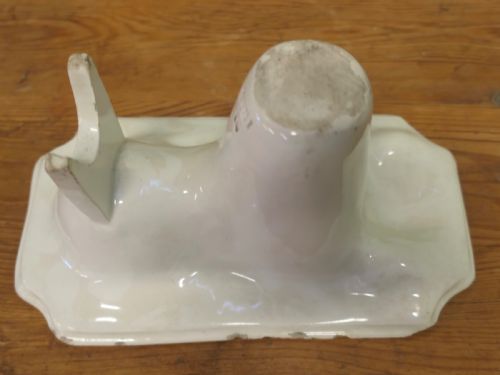
White creamware encompasses a range of domestic and decorative objects produced primarily across the eighteenth and nineteenth centuries, spanning simple plates, jugs, and jelly moulds to unusual sanitary items like knee baths. When searching for white creamware, buyers encounter items created by notable historic potteries including Leeds Pottery and Wedgwood, reflecting periods from the Georgian era through to the mid-twentieth century.
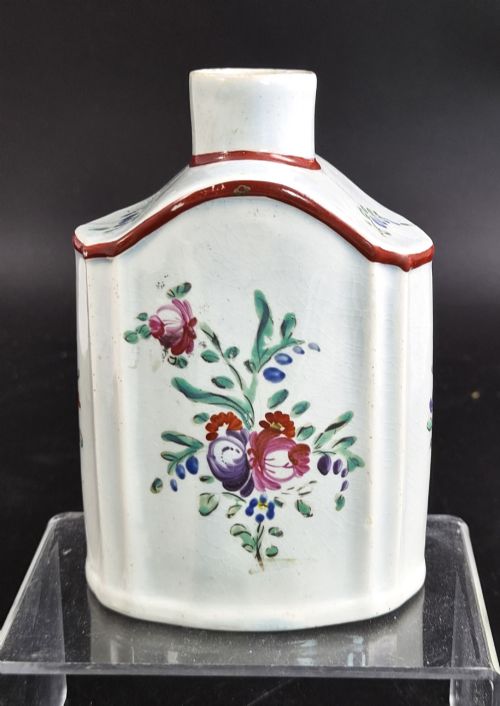
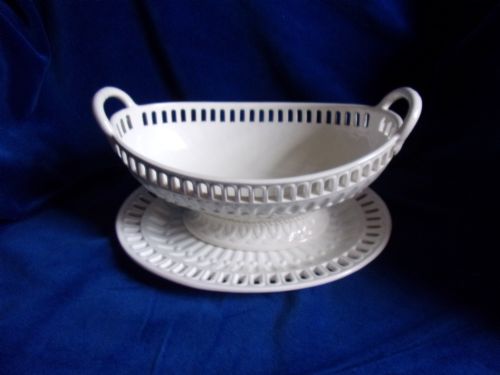
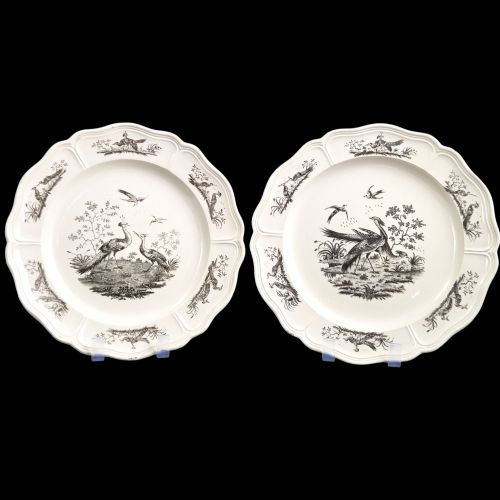
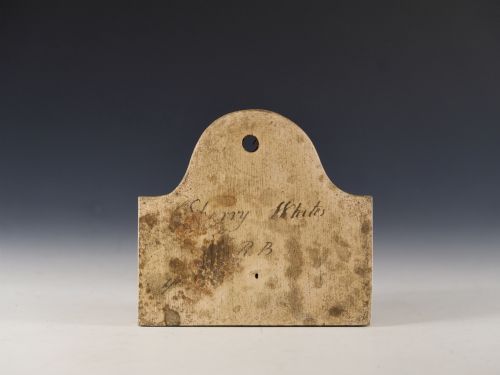
The selection on offer displays considerable variety in form and utility, covering functional kitchenware, cellar accessories such as bin labels, and ornamental baskets. Pieces range from the straightforward utility of measuring jugs and tea canisters to elaborate moulded jelly designs featuring animal motifs or floral details, alongside transfer-printed and enamelled decoration.
Materials and Construction
Potters built these items using refined earthenware bodies, applying fluid lead glazes or specialised cream glazes to achieve the characteristic pale surface tone. The resulting ceramic body required careful firing in kilns to set the glaze evenly across complex shapes like moulded baskets and animal jelly moulds.
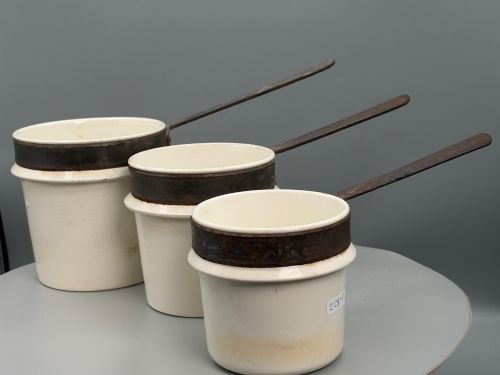
Makers often incorporated iron bands or handles for structural strength on utilitarian items, whilst decorative pieces utilised hand-painted floral enamels, transfer printing, or careful press-moulding techniques to create high-relief surface details.
White Creamware Retail Price Guide 2026
Typical asking prices for white creamware among the pieces listed under this phrase on Sellingantiques today, from the lower quarter to the upper quarter. They describe what is for sale here now, not the wider market.
The listings include eighteenth and nineteenth-century earthenware forms, featuring creamware, pearlware, and lead-glazed ceramics alongside twentieth-century designs.
Assessing Quality and Execution
Quality in these ceramics rests on the crispness of the moulding and the evenness of the glaze application, where finer examples show sharp details in relief work such as fruit, animals, or neoclassical borders. Potters who exercised greater control in the kiln avoided pooling or thinning in the pale glaze, preserving the clean lines of the underlying earthenware form.
Historical importance and scarcity elevate certain objects, such as marked pieces from established potteries or specialised domestic forms like knee baths and marked bin labels, distinguishing everyday domestic items from exceptional collector pieces.
Wedgwood·Leeds Pottery·Enoch Wood and Sons·Liverpool Herculaneum
The White Creamware Glossary
- Creamware
- A refined earthenware developed in the eighteenth century, characterised by its pale yellow or cream-coloured lead glaze. It became a staple of British ceramics production for both domestic and export markets.
- Pearlware
- An earthenware body developed as an improvement on creamware, featuring a subtle blue-tinted glaze that pooled in recesses to create a whiter overall appearance.
- Jelly Mould
- A kitchen utensil made of ceramic, designed with interior relief patterns to shape chilled jellies and blancmanges. These moulds often depicted animals, fruit, or architectural motifs.
- Bin Label
- A small ceramic plaque or marker used in wine cellars to identify the contents of bins or racks. They typically feature painted or impressed text naming specific wines.
- Transfer Printing
- A decoration technique where an engraved metal plate transfers a design onto paper, which is then stamped onto the ceramic surface before glazing. This allowed for intricate patterns to be applied with great consistency.
White Creamware: Frequently Asked Questions
What is white creamware?
White creamware is a refined historic earthenware covered in a pale, creamy lead glaze, developed by British potters to provide a lighter, more delicate alternative to heavier salt-glazed stonewares.
Items range from everyday tableware like plates and jugs to decorative baskets and kitchen jelly moulds produced by factories such as Leeds and Wedgwood.
How do I date creamware?
Dating relies on stylistic markers such as neoclassical borders, shape evolution, and factory marks stamped or painted on the base. Earlier eighteenth-century examples tend to feature warmer cream tones, while nineteenth-century pieces often incorporate crisper moulded details.
Comparing the glaze characteristics and any associated inscriptions or decorator marks helps narrow down the production period.
Were these pieces used daily?
Many items, including plates, measuring jugs, and tea canisters, served active roles in Georgian and Victorian households. Utilitarian vessels were designed for practical tasks in the kitchen, dairy, or wine cellar.
Other objects, such as elaborate centrepiece baskets or jelly moulds, were reserved for dining entertainment and special occasions.
How should I clean creamware?
Gentle washing with warm water and mild soap protects the historic glaze and any delicate enamel or transfer-printed decoration. Avoid harsh scrubbing brushes and abrasive cleaners that can scratch the ceramic surface.
Careful handling prevents chipping on the earthenware bodies and preserves the integrity of older repairs or delicate handles.