




White Creamware Pottery
White creamware pottery offers a warm, pale earthen aesthetic prized for its refined domestic utility across Georgian and Victorian interiors.
White Creamware Pottery
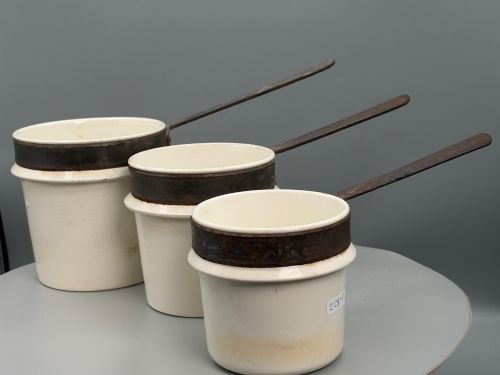
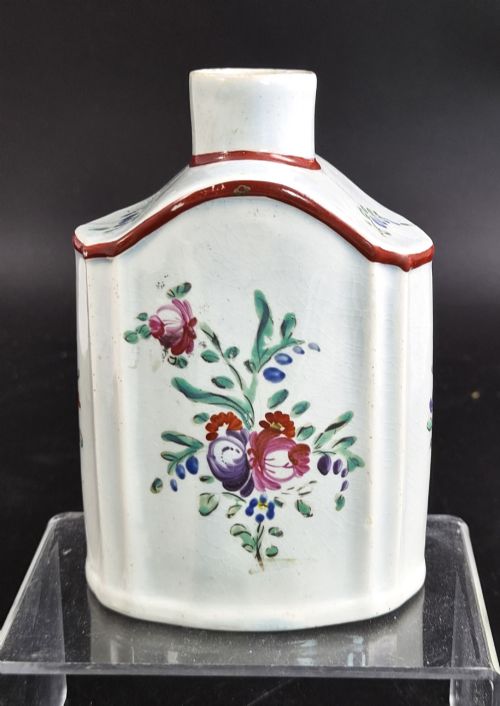
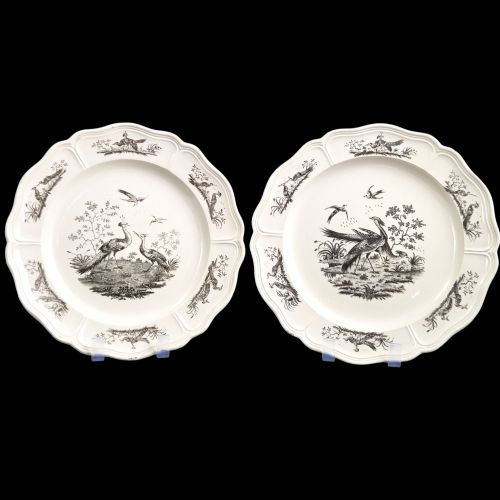
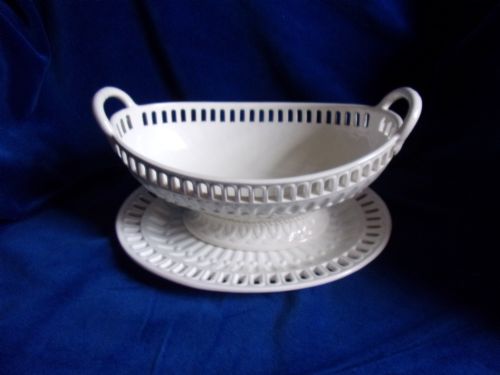
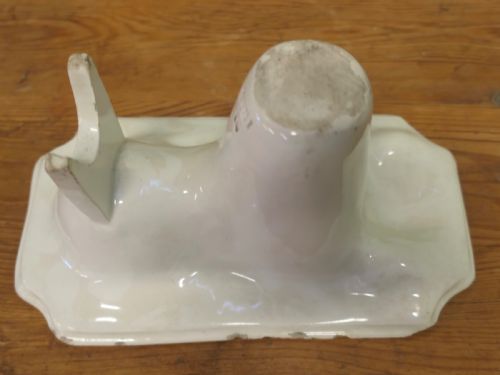
White creamware pottery encompasses domestic and decorative earthenware forms produced across the eighteenth and nineteenth centuries, including plates, jugs, baskets, and tea canisters. Buyers searching for white creamware pottery frequently encounter classic Georgian tableware alongside Victorian moulded kitchenalia and cellar accessories.
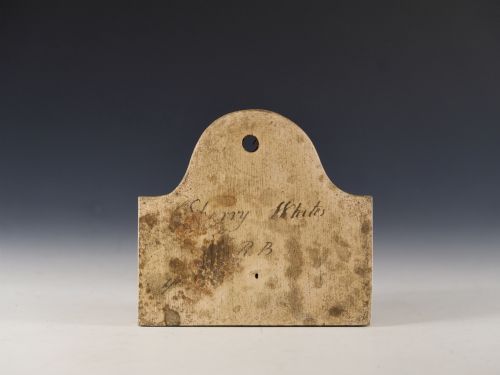
The objects span formal neoclassical serving pieces from Leeds Pottery and Liverpool as well as robust Staffordshire jelly moulds and bin labels. These domestic vessels demonstrate the transition from early cream-glazed earthenwares through to transfer-printed variations and pearlware bodies.
Materials and construction
Makers utilised refined earthenware bodies coated in a transparent lead glaze that pooled to a characteristic warm yellow hue in recesses, defining the core aesthetic of white creamware pottery. Production involved throwing or moulding the clay before applying intricate piercing, relief moulding, or delicate enamel and transfer-printed decoration.
Kiln firing techniques evolved through the period, allowing potteries such as Leeds and Herculaneum to achieve thin-walled vessels alongside heavy utilitarian items like knee baths and wine cellar bin labels.
White Creamware Pottery Retail Price Guide 2026
Typical asking prices for white creamware pottery among the pieces listed under this phrase on Sellingantiques today, from the lower quarter to the upper quarter. They describe what is for sale here now, not the wider market.
Materials represented across the selection include earthenware, creamware, lead glaze, enamel, and pearlware shaped into domestic and cellar forms.
Judging quality in creamware
Quality rests upon the crispness of the moulded or pierced detail, where sharper relief work on baskets and jelly moulds indicates superior initial tooling and careful execution. The evenness of the pale glaze application and the restraint of any hand-painted floral enamels distinguish finer exhibition pieces from standard utility wares.
The sophistication of the form itself separates standard vessels from ambitious creations like double-marked tea canisters or sculptural animal jelly moulds.
Wedgewood·Leeds Pottery·Staffordshire·Enoch Wood & Sons·Herculaneum
The White Creamware Pottery Glossary
- Creamware
- A refined light-coloured earthenware developed in the eighteenth century with a transparent lead glaze. It succeeded heavier salt-glazed stonewares and dominated domestic tables.
- Pearlware
- An earthenware body formulated with a small amount of cobalt in the glaze to neutralise the natural yellow tint. This created a paler, bluish-white surface that bridged creamware and later white earthenwares.
- Enamel
- Vitreous coloured glass fused to the ceramic surface in a muffle kiln. It provided vibrant pictorial or floral decoration over the finished glaze.
- Neoclassical
- A dominant late eighteenth-century style drawing inspiration from classical antiquity. It governed the restrained architectural forms and symmetrical decorative motifs seen on early creamware jugs and plates.
White Creamware Pottery: Frequently Asked Questions
How do I clean white creamware pottery?
Wash these pieces gently by hand in warm soapy water using a soft cloth, avoiding abrasive pads or harsh chemical detergents that might harm the historic glaze.
Dry them thoroughly with a clean linen towel to prevent moisture from settling into any microscopic craze lines within the earthenware body.
Were these items used for dining daily?
Many examples served practical functions on the dining table, including plates, milk jugs, and tea canisters designed for daily eighteenth and nineteenth-century domestic life.
Other forms, such as pierced baskets and decorative jelly moulds, occupied specialised roles in food preparation and formal hospitality.
How do I distinguish creamware from pearlware?
Creamware displays a warm, buttery yellow tone where the transparent lead glaze pools around handles or recessed details on the earthenware body.
Pearlware incorporates cobalt in the glaze to achieve a cooler, bluish-white appearance that signals a shift toward nineteenth-century ceramic tastes.
Can I use these antique vessels for food?
Historic lead-glazed earthenwares can be sensitive to acidic foods and prolonged liquid contact, making most collectors prefer them for display or gentle dry storage.
Displaying them on shelves or within cabinets protects the fragile glaze from modern culinary wear while preserving their historical integrity.