

White Ceramic Wall Plates
White ceramic wall plates bring centuries of kiln craft and painted design directly into domestic interiors as flat decorative displays.
White Ceramic Wall Plates
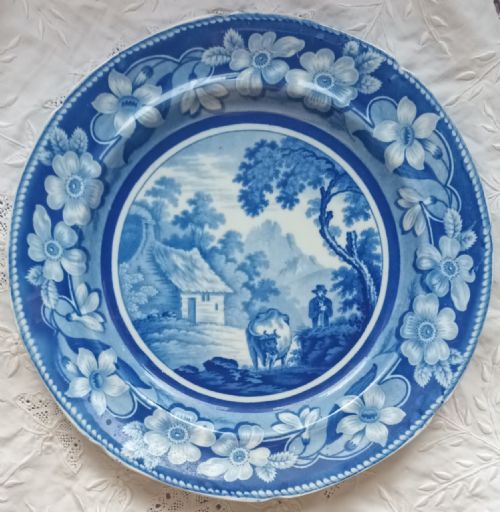
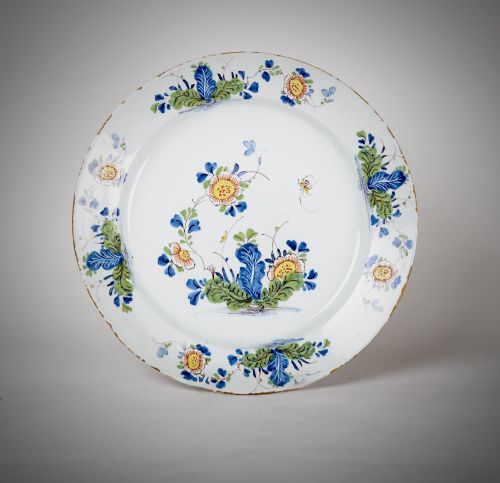
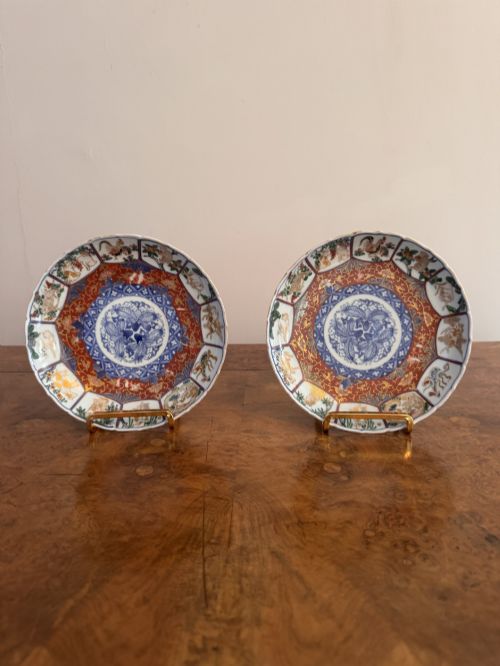
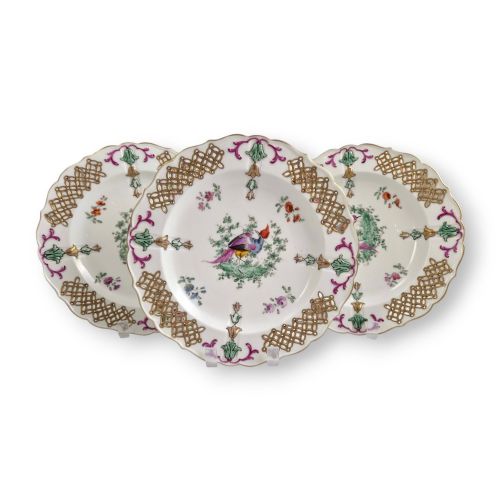
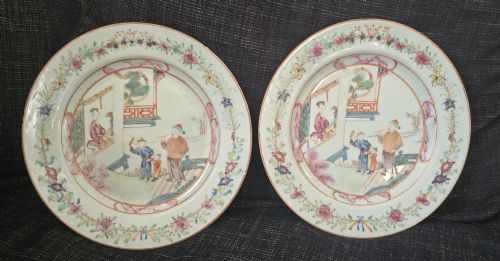
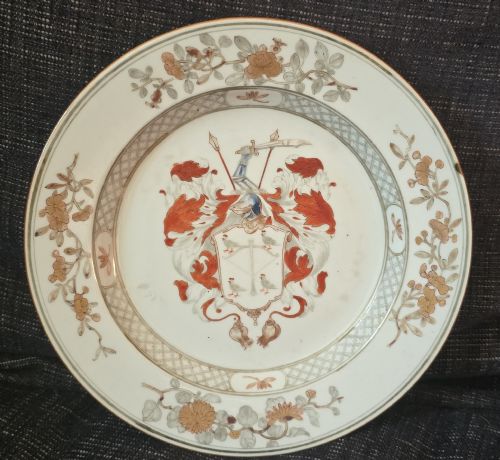
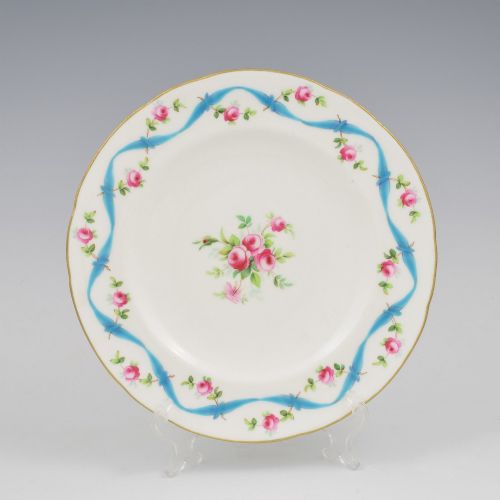
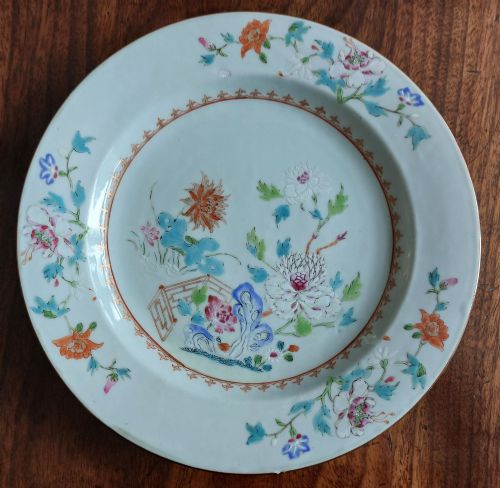
White ceramic wall plates encompass decorative chargers, large platters and cabinet dishes produced across the seventeenth, eighteenth and nineteenth centuries. These pieces cross various traditions, including English transferware, tin-glazed earthenware and continental faience.
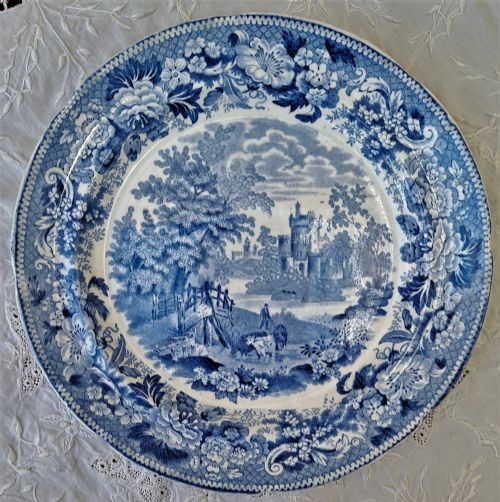
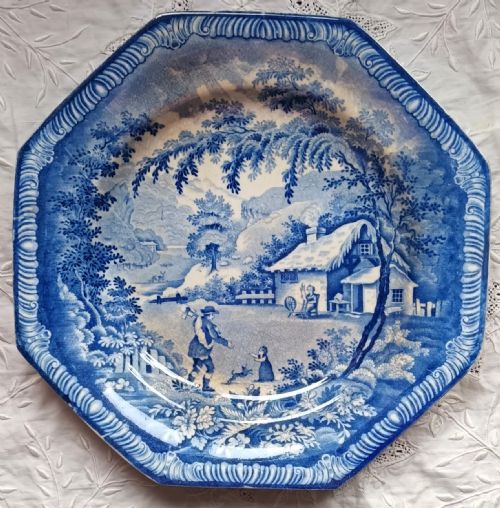
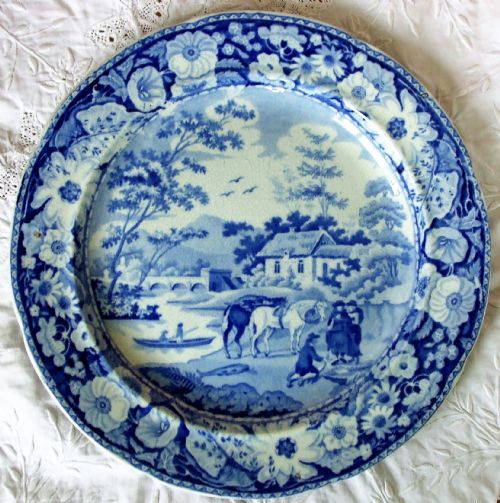
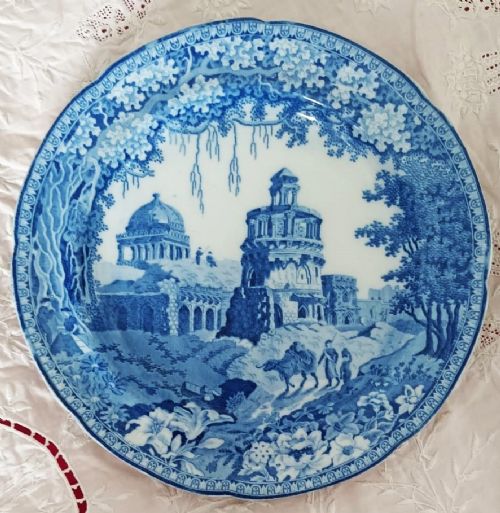
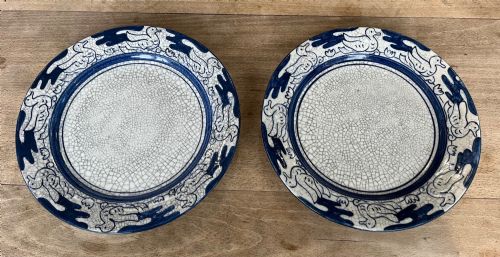
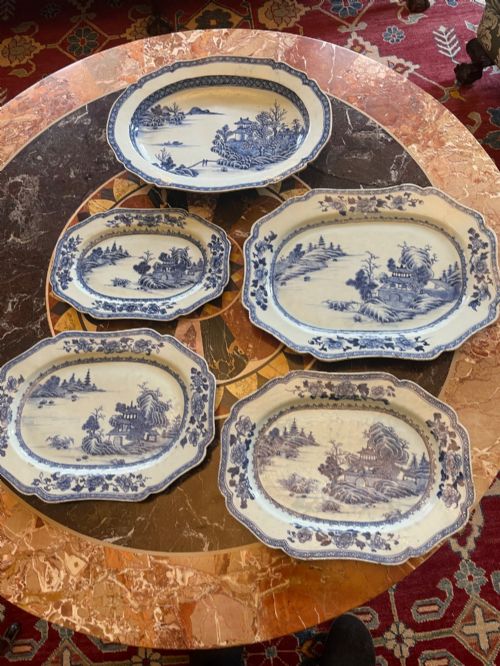
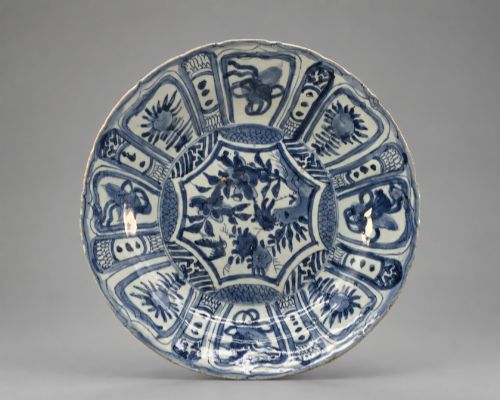
Most examples found in this selection take the form of chargers and plates decorated in blue and white, reflecting widespread global trade and domestic production from periods such as the Georgian and Victorian eras.
How they were made
Potters shaped these items from porcelain and earthenware, applying tin glaze or white ceramic grounds before hand-painting pigments or transferring designs.
White Ceramic Wall Plates Retail Price Guide 2026
Typical asking prices for white ceramic wall plates among the pieces listed under this phrase on Sellingantiques today, from the lower quarter to the upper quarter. They describe what is for sale here now, not the wider market.
Porcelain and earthenware plates feature prominently alongside tin glaze and cobalt pigment decoration across multiple historical periods.
What varies in quality
The sophistication of the painted brushwork and the clarity of cobalt application distinguish finer dishes from standard production pieces.
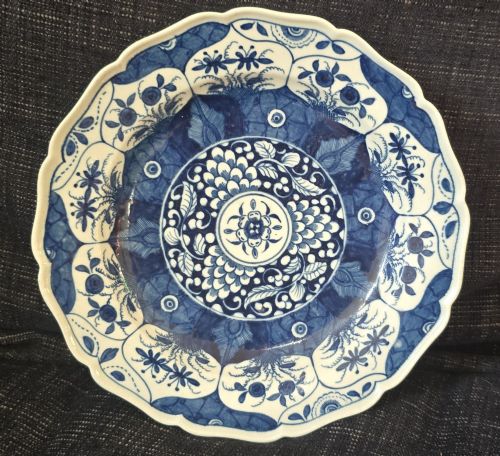
Complexity in form, such as scalloped edges, reticulated borders and intricate transfer-printed historical scenes, elevates the design standard of individual items.
William Smith And Co
The White Ceramic Wall Plates Glossary
- Charger
- A large decorative plate intended for display on a wall or sideboard rather than for service at the dining table. These substantial pieces often feature bold painted motifs across a wide central basin.
- Tin glaze
- An opaque white ceramic coating containing tin oxide applied to earthenware bodies before firing. This glaze provides a smooth white background suitable for direct painting in cobalt or polychrome pigments.
- Transferware
- Pottery decorated by applying a printed design from a copper plate onto paper and then transferring the ink onto the ceramic surface. This technique allowed intricate pictorial scenes to be replicated consistently on plates.
- Kraak porcelain
- Chinese export porcelain characterised by panelled borders and central scenes of birds, flowers or landscapes, widely imitated across European kilns.
White Ceramic Wall Plates: Frequently Asked Questions
How do you hang antique plates safely?
Displaying these items securely requires specialised wall fixings designed to distribute weight evenly across the rim without causing stress fractures in the ceramic body.
Spring-loaded brass hangers or coated wire grips provide reliable support while keeping the decorative surface fully visible.
What is tin glazed earthenware?
Tin glazed earthenware refers to pottery covered in an opaque white glaze that creates a clean canvas for painted designs. This technique unites traditions from English, Dutch, and Spanish workshops.
The resulting surface absorbs pigments into the wet glaze during decoration, producing soft outlines characteristic of historic faience and delftware.
How do you tell porcelain from earthenware?
Porcelain is fired at much higher temperatures, producing a dense, vitrified body that often appears translucent when held to a strong light. Earthenware remains more porous and opaque.
Surface weight and sound also differ, as porcelain rings clearly when tapped gently while earthenware produces a duller tone.
Were these plates meant for dining?
Larger examples, particularly chargers and heavy platters, served primarily as decorative display items or ceremonial table centerpieces rather than everyday tableware. Smaller cabinet plates were often collected for visual appreciation.
Their survival in domestic collections stems from this decorative role, which spared them from the wear of daily kitchen use.