



White Ceramic Statuette
A white ceramic statuette brings the sculpture of earlier centuries into a room, capturing mythological figures, animals and human portraits in porcelain, earthenware and bisque.
White Ceramic Statuette
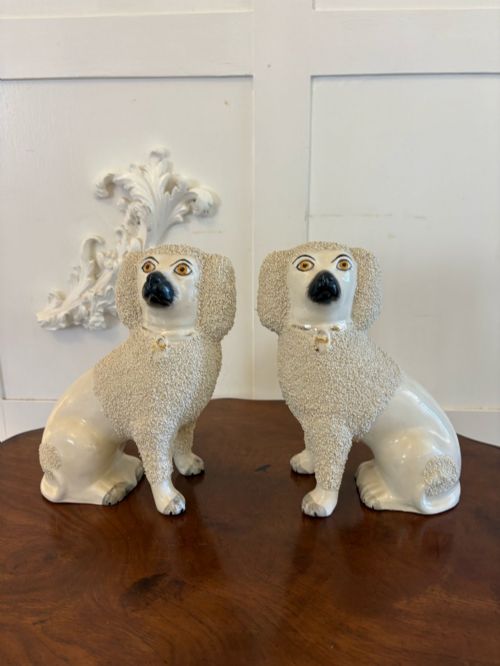
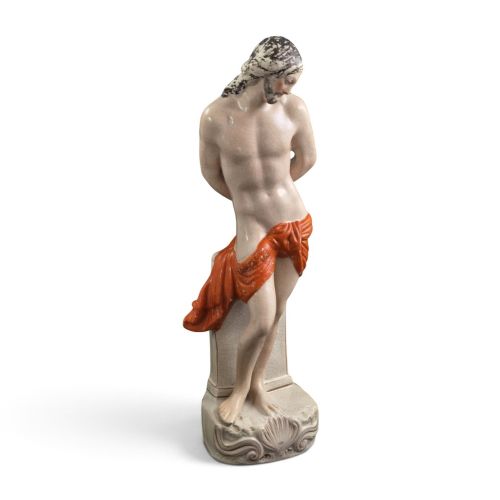
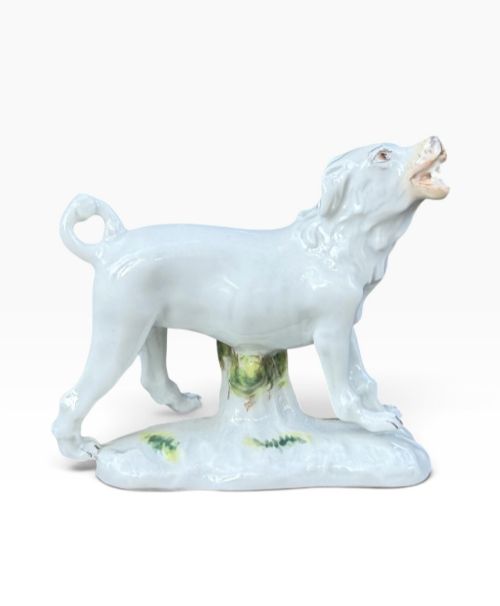
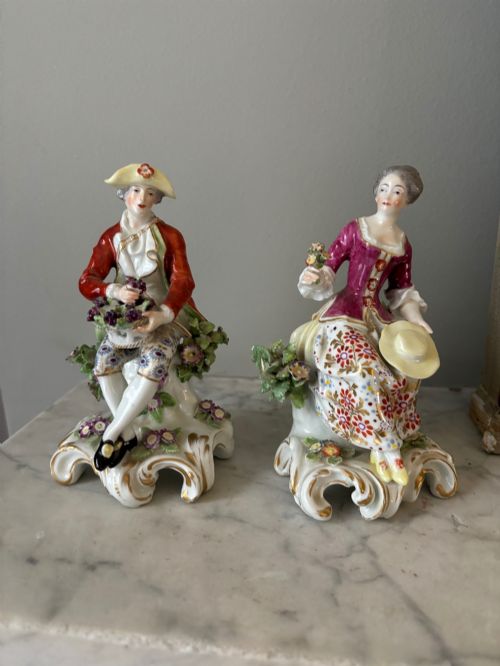
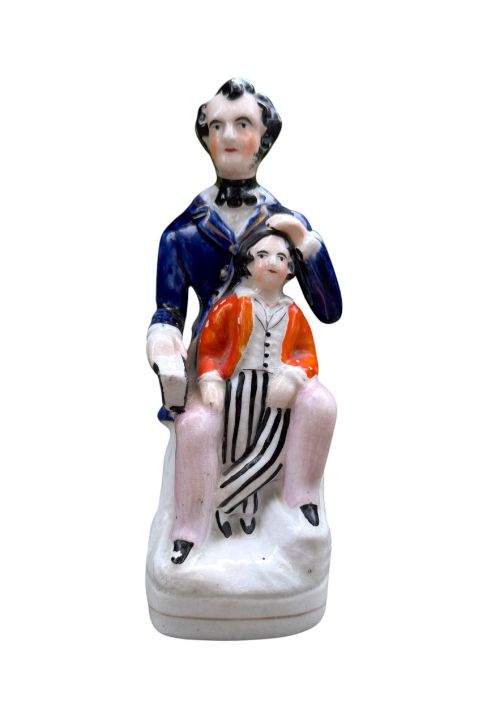
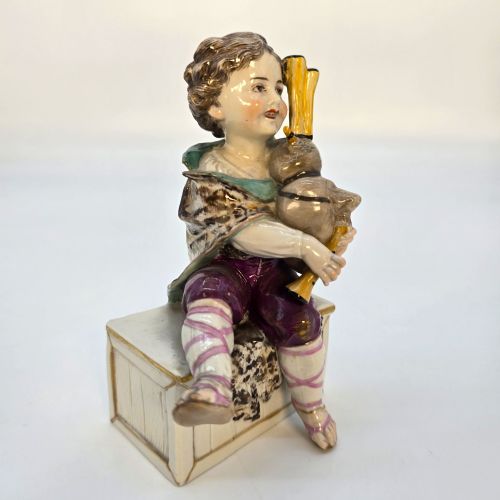
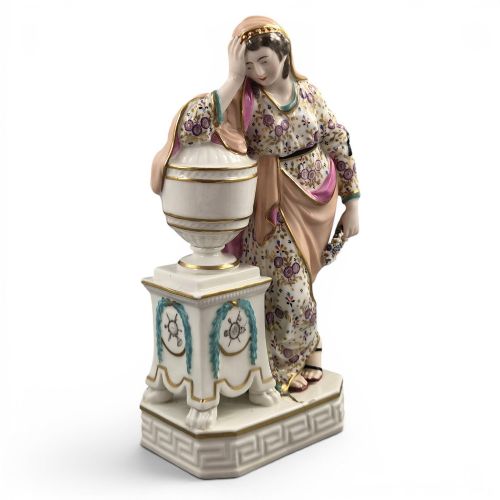
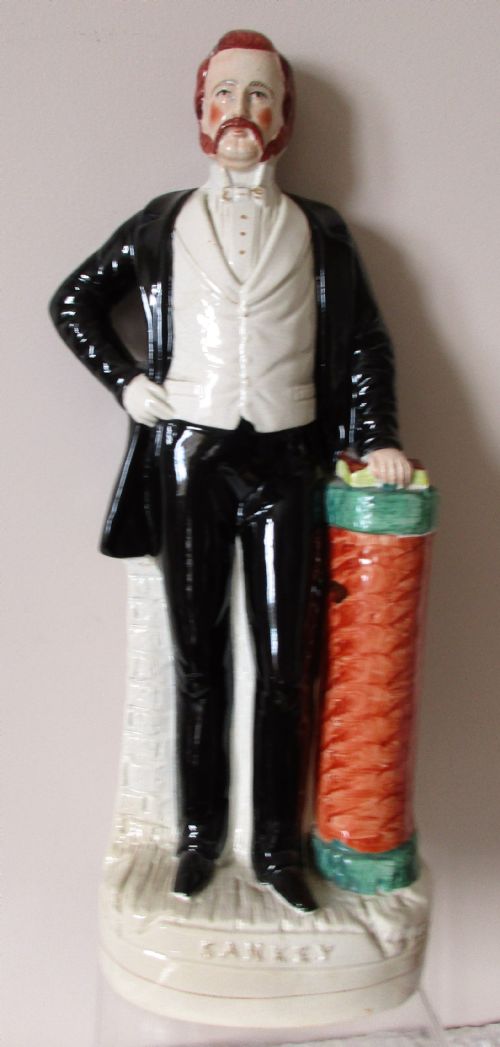
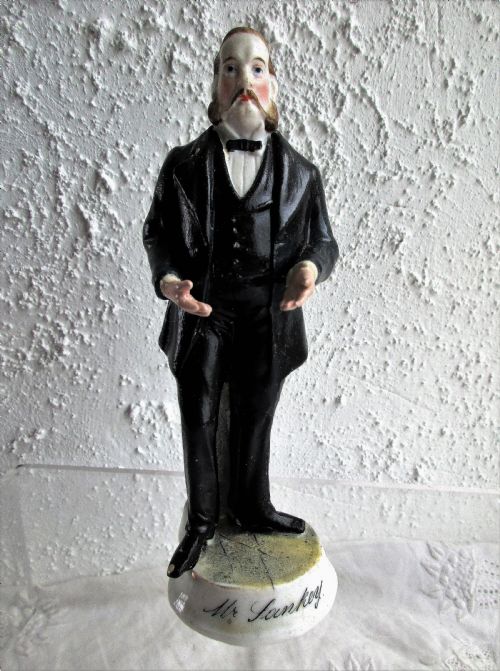
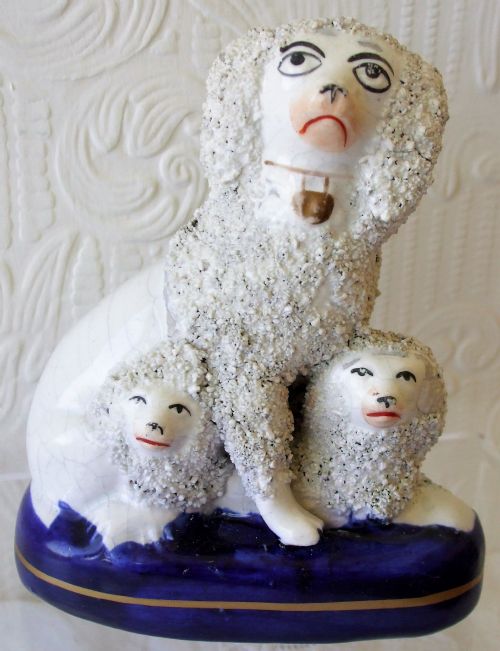
A white ceramic statuette encompasses modelled figures, pairs and groups spanning the eighteenth and nineteenth centuries. These works include figures of classical deities, historical portraits, allegorical representations of the seasons and animals such as poodles and puppies.
Makers across England, France and Germany shaped these porcelain and earthenware objects in styles ranging from Rococo and Neoclassical to Victorian. The most frequent examples encountered on this page belong to the Victorian era and the eighteenth-century Georgian period.
The sculptural forms serve purely decorative purposes, drawing on traditions established by European factories. Collectors find single figures alongside symmetrical pairs designed for mantelpieces and display cabinets.
Materials and construction methods
Makers utilised soft-paste porcelain, earthenware, and unglazed bisque or biscuit porcelain to shape these figures. Many pieces received a white glaze, while others relied on the natural matte finish of fired clay.
Factories employed moulds to cast the intricate shapes of human figures and animals before careful hand-finishing and firing in kilns. Model numbers and factory marks stamped or painted underneath often record the workshop of origin.
German porcelain monkeys and Japanese ceramic puppies demonstrate that historical makers enjoyed sculpting domestic animals as much as classical heroes.
Factors determining quality
The quality of the ceramic body and glaze application marks the distinction between ordinary production and accomplished studio work. Even unglazed biscuit porcelain relies on smooth surfaces free from firing blemishes and heavy kiln distortion.
Volkstedt Rudolstadt Factory·Edme Samson·Royal Worcester·Triebner Ens Eckert·Vion & Baury·Sitzendorf
The White Ceramic Statuette Glossary
- Bisque
- Unglazed ceramic porcelain that has been fired once, offering a matte, marble-like finish suited to classical subjects. This surface texture gained popularity during the eighteenth century for neoclassical figures.
- Soft-paste porcelain
- An artificial ceramic composition fired at lower temperatures than hard-paste porcelain, common in early English factories. It produces a warm tone beneath the glaze.
- Lead glaze
- A shiny coating containing lead oxide applied to earthenware bodies before firing. This technique waterproofs the clay and adds a reflective sheen.
- Gold leaf
- Thin sheets of hammered gold applied to decorative areas of porcelain and pottery. It provides metallic highlights on garments and bases.
White Ceramic Statuette: Frequently Asked Questions
How should I clean my statuette?
Dust the surface gently with a soft, dry brush to prevent accumulation in crevices and modelled details.
Avoid using water or chemical cleaners, particularly on pieces with enamel painting or gold leaf highlights.
Were these figures made as pairs?
Many factories produced figures in matching pairs representing symmetrical subjects such as seasons, animals or human companions.
Single figures also exist independently, modelled as standalone portraits or allegorical representations.
How do I identify a factory mark?
Look underneath the base for painted symbols, impressed letters or model numbers associated with specific European potteries.
Some nineteenth-century pieces reproduce earlier factory marks in homage to renowned eighteenth-century styles.
What is the difference between porcelain and earthenware?
Porcelain uses refined clay fired at high temperatures to create a dense, vitrified body that can be translucent.
Earthenware employs coarser clay fired at lower temperatures, resulting in an opaque body usually covered with an opaque glaze.