



White Ceramic Milk Pitcher
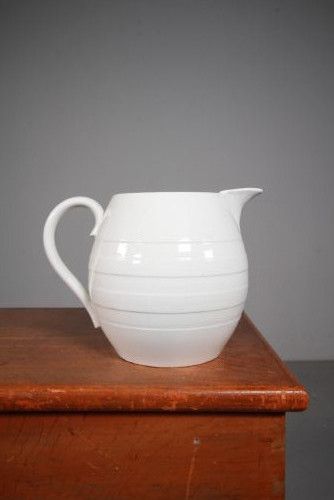
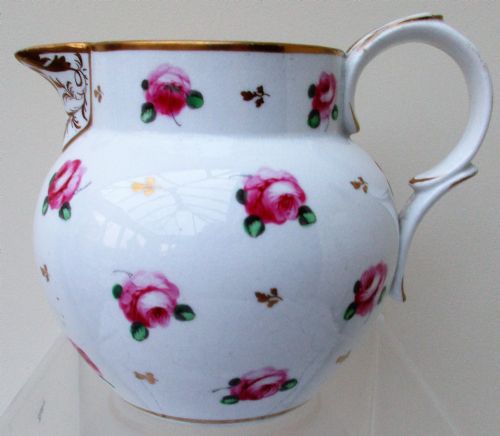
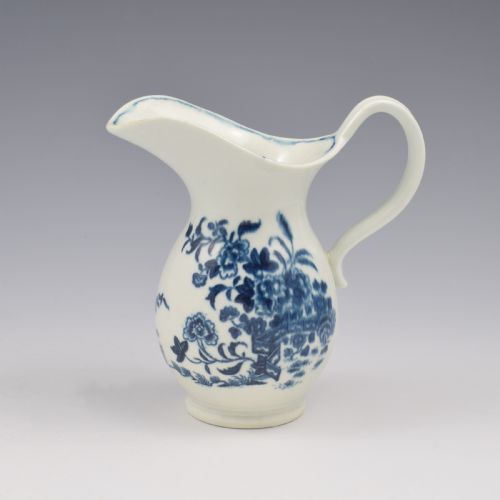
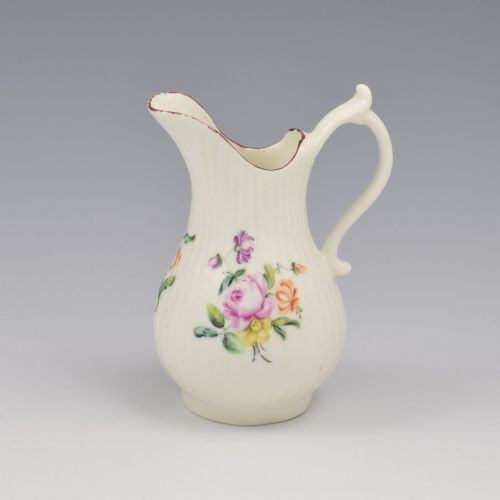
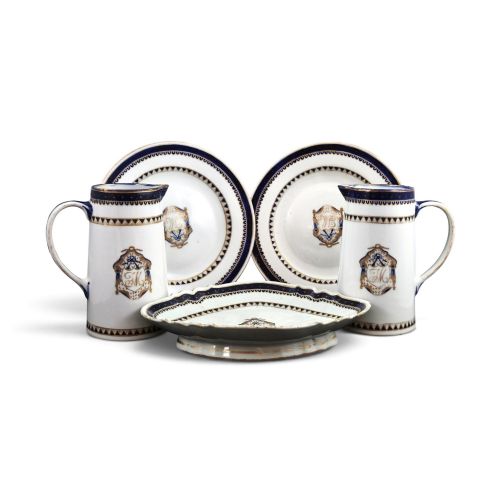
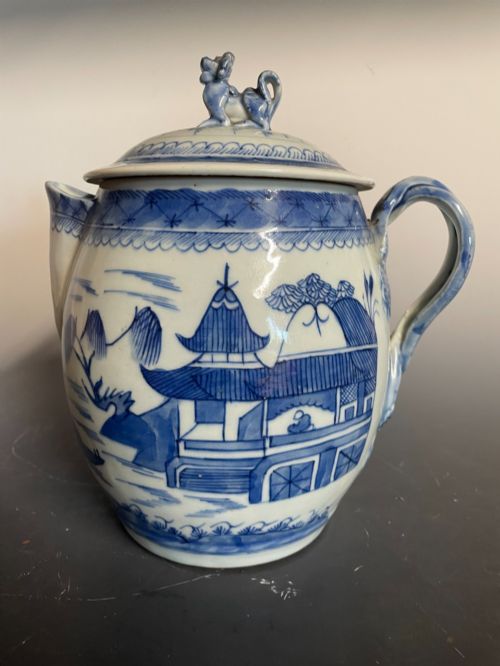
These white ceramic milk pitcher examples range from delicate eighteenth-century porcelain ewers to sturdy nineteenth-century ironstone jugs, prized for both daily service and cabinet display.
White Ceramic Milk Pitcher
A white ceramic milk pitcher serves practical and decorative functions across multiple centuries of British and continental ceramic production. When seeking a white ceramic milk pitcher, buyers encounter forms spanning small creamers to large dairy jugs.
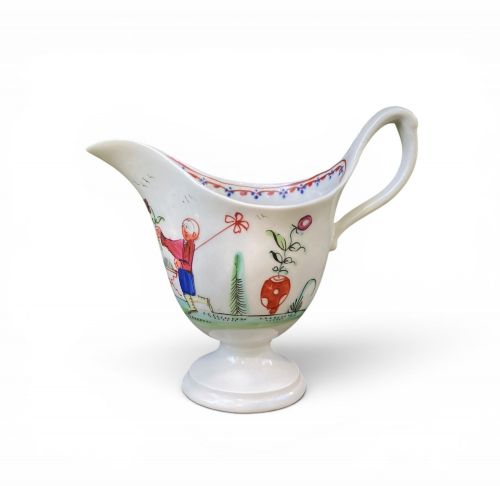
The selection includes delicate porcelain vessels from factories such as Derby and Worcester alongside robust earthenware and ironstone pieces from Staffordshire and Wales. These objects encompass simple utilitarian dairy items as well as finely painted table service pieces.
Materials and manufacturing methods
Potters shaped these vessels using porcelain, earthenware, pearlware, and ironstone, often applying a white glaze to create a uniform surface. Many pieces incorporate hand-painted details, transfer printing, or applied gold leaf and gilding.
Early porcelain jugs required precise firing of soft-paste or hard-paste bodies, while later ironstone and earthenware pieces utilised durable ceramic formulas designed for regular household use.
White Ceramic Milk Pitcher Retail Price Guide 2026
Typical asking prices for white ceramic milk pitcher among the pieces listed under this phrase on Sellingantiques today, from the lower quarter to the upper quarter. They describe what is for sale here now, not the wider market.
Listings feature pieces from the eighteenth and nineteenth centuries, utilising porcelain, earthenware, pearlware, and ironstone materials.
Distinguishing quality in production
Quality separates standard utilitarian wares from superior artistic productions through the refinement of the ceramic body and the precision of the glaze. Finer pieces demonstrate thinner potting walls, particularly evident in early porcelain sparrow beak jugs.
The execution of painted or transfer-printed decoration dictates the tier of the piece, with meticulous hand-painted birds, insects, or botanical panels representing higher craftsmanship than mass-produced utilitarian transfer work.
Booths·Dr Wall Worcester·Derby Porcelain·New Hall·H and R Daniel·Leeds Pottery·Staffordshire·Livesley Powell and Co·Mason's·Meissen·Rockingham·Herculaneum·Crown Derby
The White Ceramic Milk Pitcher Glossary
- Ironstone
- A heavy, durable type of earthenware patented in the nineteenth century. It resists chipping better than traditional porcelain while maintaining a smooth white surface.
- Creamware
- A fine earthenware developed in the eighteenth century with a pale yellowish-white glaze. Leeds Pottery produced notable examples of this refined ceramic material.
- Sparrow Beak
- A specific eighteenth-century form of small milk or cream jug featuring a distinctive protruding lip. The shape resembles a bird's beak.
- Pearlware
- An refined earthenware introduced in the late eighteenth century featuring a bluish-white glaze that pooled in recesses to mimic Chinese porcelain.
White Ceramic Milk Pitcher: Frequently Asked Questions
How do I date an antique milk jug?
Dating relies on stylistic markers, ceramic bodies like soft-paste porcelain versus ironstone, and manufacturing techniques. Hand-painted patterns often reflect the prevailing neoclassical or botanical aesthetics of their specific decade.
Makers' marks on the base provide definitive attribution when present, though many eighteenth-century pieces remain unmarked.
What is the difference between a creamer and a milk pitcher?
Creamers are typically smaller vessels designed to hold single servings of cream for tea or coffee service. Milk pitchers and jugs offer larger capacities suitable for general table use or dairy storage.
Both forms appear frequently in porcelain, earthenware, and ironstone across the eighteenth and nineteenth centuries.
Can I use these antique jugs for serving milk?
While structurally sound, antique ceramic and porcelain pieces often carry historical crazing or hairline fractures that absorb liquids. Most collectors prefer to display these items rather than subject them to modern culinary use.
Hand washing is essential for preserving delicate gilding, enamel, and transfer-printed decorations on older earthenware and porcelain surfaces.
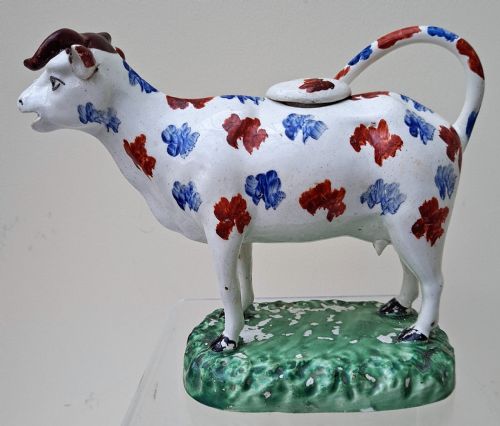
What are cow creamers?
Cow creamers are novelty ceramic milk jugs shaped in the form of a cow, often filled through an opening on the back. Welsh and Staffordshire potteries produced popular examples of this whimsical form during the nineteenth century.
These figural pieces combine playful folk art design with practical table service functionality.