




White Ceramic Ewer
White ceramic ewer choices range from delicate eighteenth-century porcelain vessels to robust nineteenth-century ironstone wash sets.
White Ceramic Ewer
When you search for a white ceramic ewer, you encounter water jugs, wash sets, and pouring vessels spanning several centuries. The selection includes domestic bathroom sets alongside porcelain table pieces intended for display or service.
Most examples originate from English potteries like Minton and Staffordshire, though Chinese export porcelain and Japanese Arita wares also appear. These objects served functional roles in personal hygiene and dining before becoming decorative items.
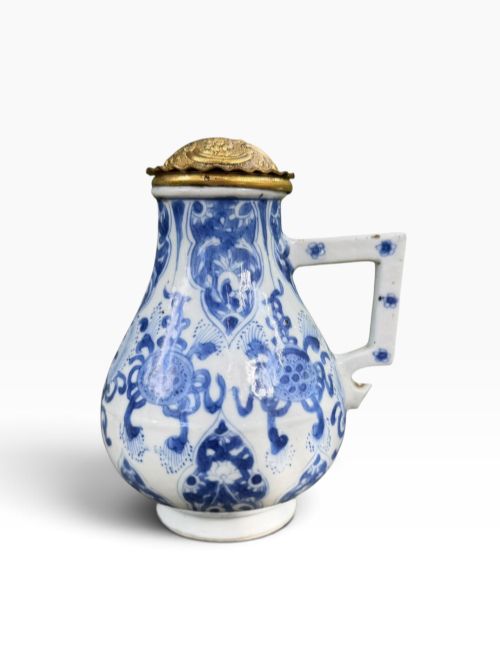
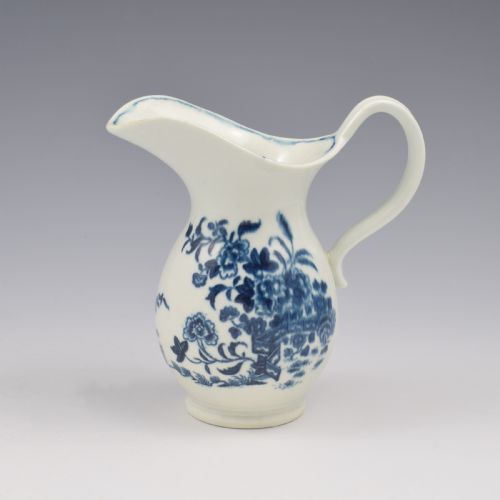
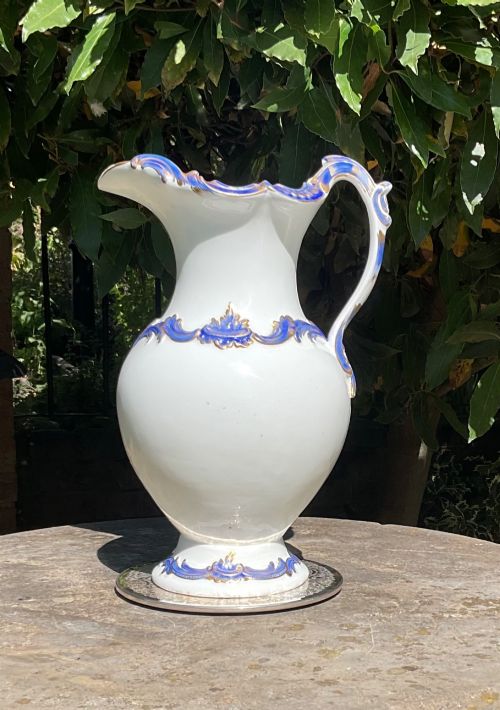
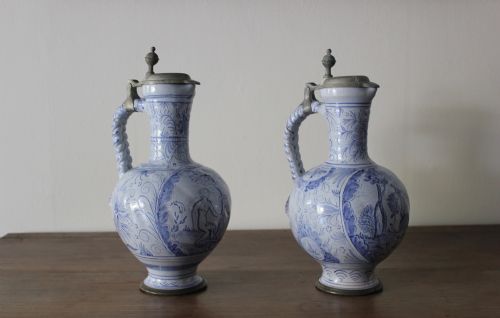
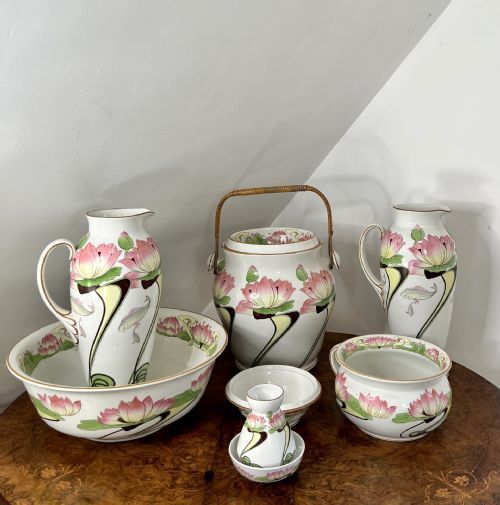
Forms vary from grand Victorian basin sets to miniature ewers and dolphin cream boats. The white ceramic surface often serves as a canvas for cobalt glaze, enamel painting, or gilt metal mounts.
How they were made
Potters shaped these vessels using earthenware, ironstone, and porcelain, applying white glazes to create smooth exterior surfaces. Many pieces combine moulded ceramic bodies with hand-painted enamel decoration or cobalt blue underglaze designs.
Gilding and metal mounts frequently enhance the fired ceramic forms, particularly on eighteenth-century porcelain and Victorian decorative ewers. Makers utilised specialised techniques like flow blue transfer printing and flower encrustation to achieve distinctive surface textures.
White Ceramic Ewer Retail Price Guide 2026
Typical asking prices for white ceramic ewer among the pieces listed under this phrase on Sellingantiques today, from the lower quarter to the upper quarter. They describe what is for sale here now, not the wider market.
Listings feature white ceramic ewer forms spanning from seventeenth-century Chinese porcelain to twentieth-century Edwardian bathroom sets.
What varies in quality
Quality reveals itself in the crispness of moulded relief details and the refinement of the ceramic body, whether thick ironstone or translucent porcelain. Finer pieces demonstrate superior control during the firing and glazing processes.
Hand-painted decoration and delicate additions, such as lamprey handles or applied floral encrustations, distinguish master potteries from standard commercial output. The prestige of the manufacturer and the preservation of original gilding significantly elevate an object's standing.
Minton·Mason's·Doulton Burslem·Shelley·Spode·Rockingham
The White Ceramic Ewer Glossary
- Ewer
- A large jug or pitcher with a wide spout and handle, traditionally used for holding water for washing. Early examples often form part of matched basin sets.
- Ironstone
- A type of heavy, durable earthenware patented in the nineteenth century. It provides a robust white body favored for large domestic jugs and wash sets.
- Flow blue
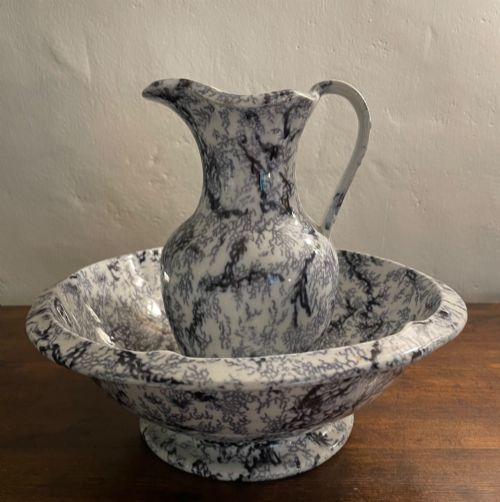
- A Staffordshire pottery technique where cobalt blue glaze bled during firing to create a soft, hazy effect. This style appears frequently on nineteenth-century jugs.
- Kangxi period
- A period of Chinese history spanning the late seventeenth and early eighteenth centuries, known for exceptional porcelain production. Export pieces from this era heavily influenced European makers.
- Encrusted
- A decorative technique where small ceramic elements, such as flowers or leaves, are applied by hand to the surface before firing. This method adds tactile depth to Victorian and earlier porcelain ewers.
White Ceramic Ewer: Frequently Asked Questions
How do I care for antique ceramic ewers?
Dust these pieces gently with a soft dry cloth to protect fragile surface gilding and enamel work. Avoid submerging items with metal mounts or delicate applied details in water.
Display them away from direct sunlight and areas subject to sudden temperature changes to preserve the glaze.
Are these ewers waterproof?
Many nineteenth-century ironstone and porcelain ewers remain fully functional for holding water if handled with care. However, older or decorative pieces with hairline fractures or delicate enamel should be kept dry.
Inspect the interior base for any historical repairs before using them for liquid.
How do I identify a Victorian wash set?
Victorian bathroom sets typically comprise a large water jug paired with a matching basin, and sometimes include smaller soap dishes or chamber pots. They frequently feature ironstone or heavy earthenware bodies with transfer-printed or hand-painted patterns.
Maker marks stamped on the underside often confirm the nineteenth-century production date.