








White Carved Frame
A white carved frame brings light and definition to a room, framing mirrors, paintings, and panels with classical moulding and painted surfaces.
White Carved Frame
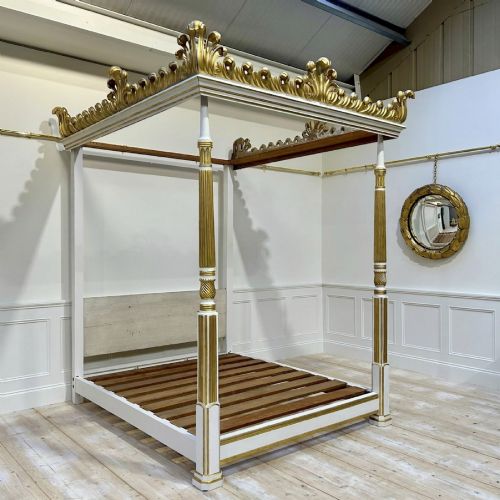
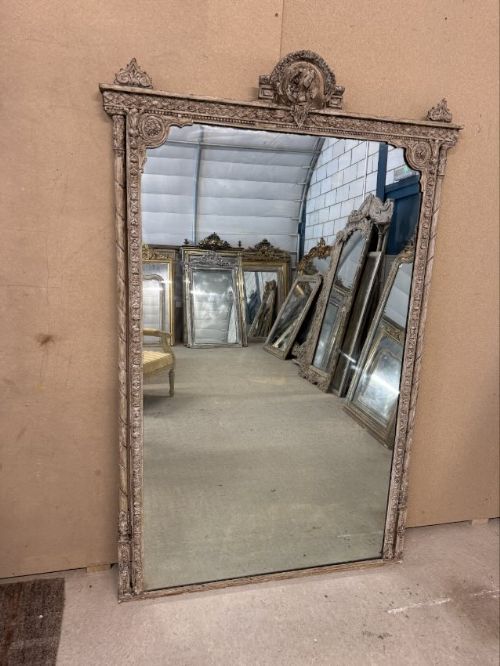
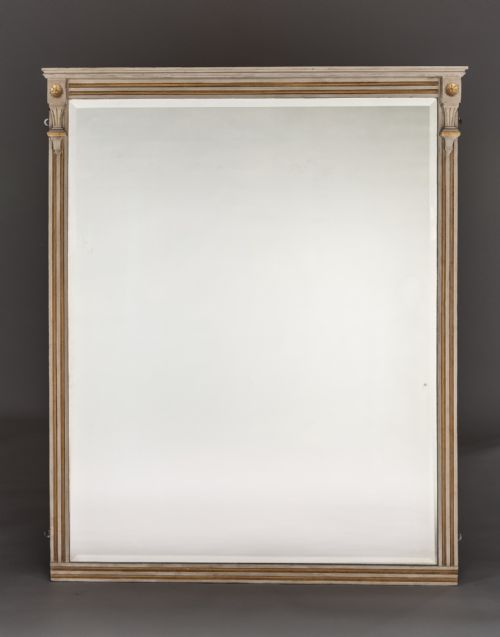
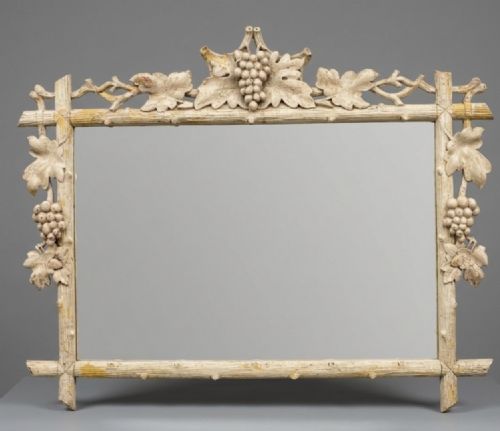
When you search for a white carved frame, you encounter large nineteenth-century overmantle mirrors, French painted beds, and carved wooden wall mirrors spanning the Victorian and Edwardian eras.
The selection on this page leans heavily toward nineteenth-century French and English mirrors, alongside painted wooden beds and seating from the early twentieth century.
Mouldings range from simple painted pine and walnut to elaborate gesso and column-framed overmantles designed to sit above a fireplace.
Materials and construction
Makers shaped solid woods like oak, mahogany, and walnut, frequently applying a layer of gesso to build up crisp relief detail before painting the surface white or cream.
Many frames combine carved wood with parcel-gilt highlights, where thin layers of gold leaf catch the light beneath the painted and distressed exterior.
Mirror glass is fitted directly into these heavy wooden frames, occasionally retaining its original silvering and foxed appearance from the nineteenth or early twentieth century.
White Carved Frame Retail Price Guide 2026
Typical asking prices for white carved frame among the pieces listed under this phrase on Sellingantiques today, from the lower quarter to the upper quarter. They describe what is for sale here now, not the wider market.
The listings span from the seventeenth century through to the Edwardian period, uniting carved mirrors, painted beds, and French seating under painted wood.
Evaluating the work
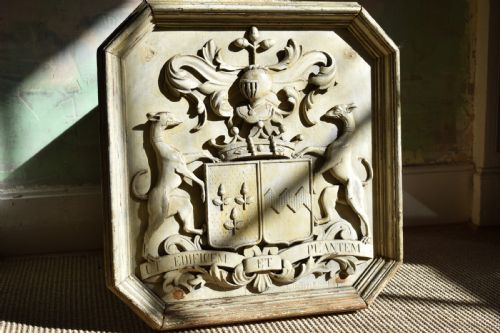
Quality rests in the depth and sharpness of the hand-carving within the wood and gesso, distinguishing crisp botanical and architectural motifs from softer, moulded plaster substitutes.
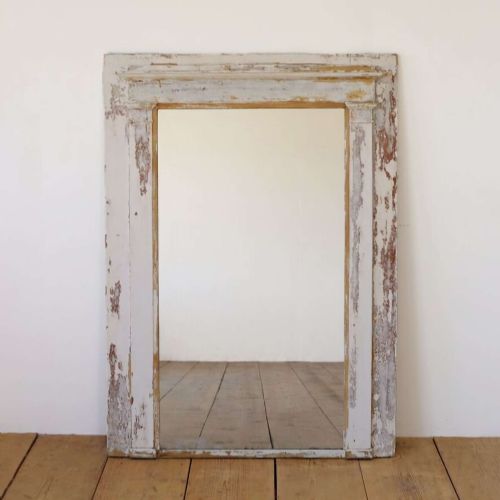
The integrity of the painted surface matters greatly, particularly how well the original layers of white paint and underlying gesso have aged and weathered over time.
Proportion and scale dictate the success of the piece, especially in large overmantle and marginal mirrors where structural balance prevents warping across wide spans.
White, Allom & Co.
The White Carved Frame Glossary
- Gesso
- A plaster mixture applied to wood frames to create a smooth surface for carving and painting. It allows intricate relief work that holds fine detail.
- Overmantle mirror
- A large mirror designed to hang specifically above a fireplace mantelpiece. These pieces often feature wide horizontal proportions and architectural framing.
- Parcel-gilt
- A decoration technique where portions of an object are gilded with gold leaf while the rest is painted. This creates contrast against the white painted timber.
- Trumeau
- A decorative wall mirror or panel featuring a painted scene or artwork set above the glass. They originate from French interior design traditions.
- Marginal mirror
- A style of looking glass featuring a central plate surrounded by smaller bevelled mirror segments held within the main frame.
White Carved Frame: Frequently Asked Questions
How do I hang a heavy overmantle mirror?
Large overmantle frames require secure wall fixings tied directly into masonry or heavy wooden studs due to their substantial timber and glass weight.
Professional mirror hangers often utilise French cleats to distribute the load evenly across the structure of the frame.
Are the painted finishes original?
Many nineteenth-century pieces retain their original white or cream lead-based paint, often showing natural crackle and wear from decades of domestic life.
Later over-painting is common, where owners refreshed the finish in subsequent decades while preserving the underlying gesso and carved details.
How do I clean an antique painted frame?
Dust the carved wooden elements gently with a soft, dry brush to prevent dirt from settling into the crevices of the gesso work.
Avoid commercial liquid cleaners and harsh chemicals, which can strip the aged white paint or discolour the parcel-gilt highlights.
What defines a French provincial frame?
French provincial pieces display softer, more rustic curves and simpler floral carving compared to the formal neoclassical styles found in urban salons.
The painted white surfaces on these regional beds and mirrors often exhibit a softer, more relaxed aesthetic with minor imperfections.