

White Bust
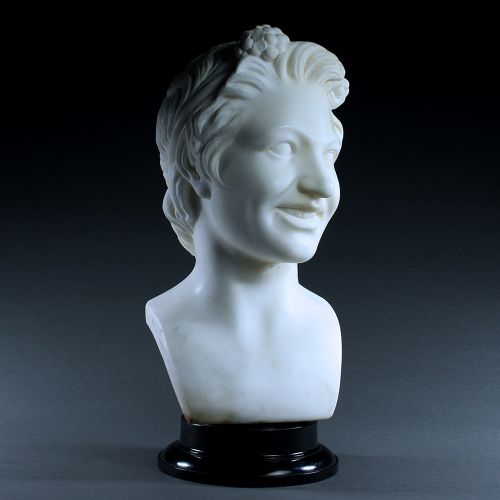
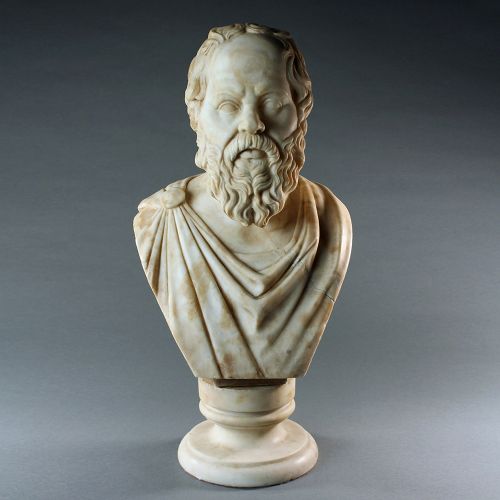
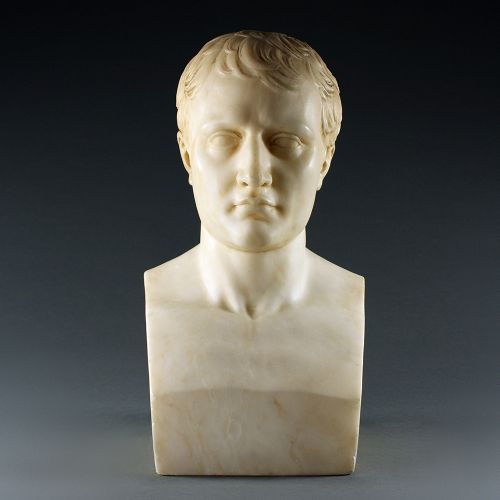
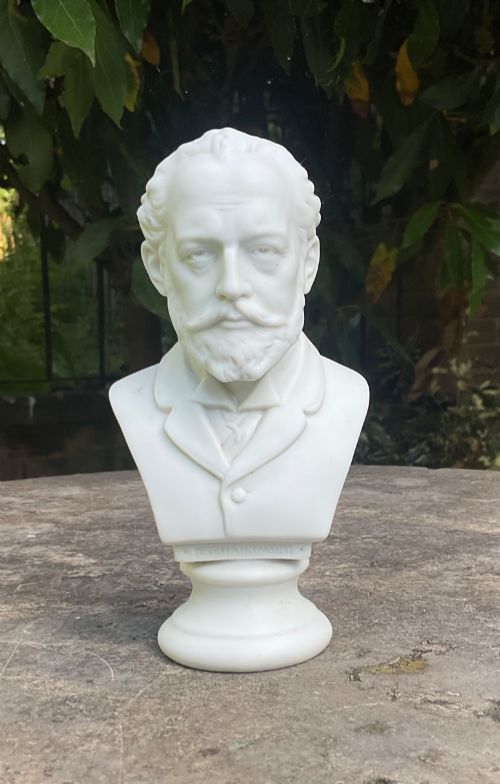
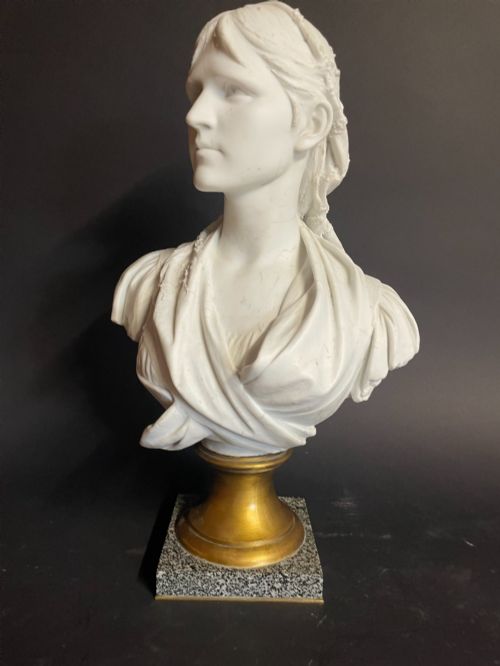
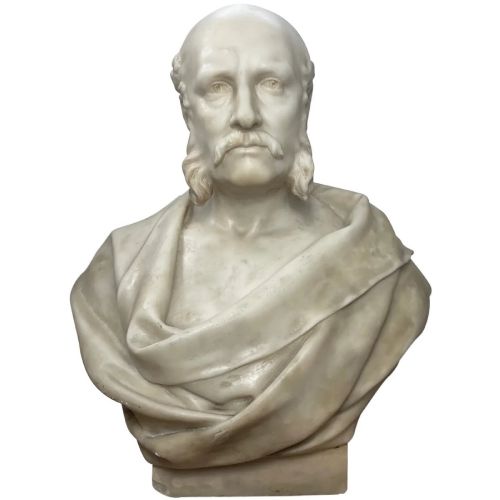
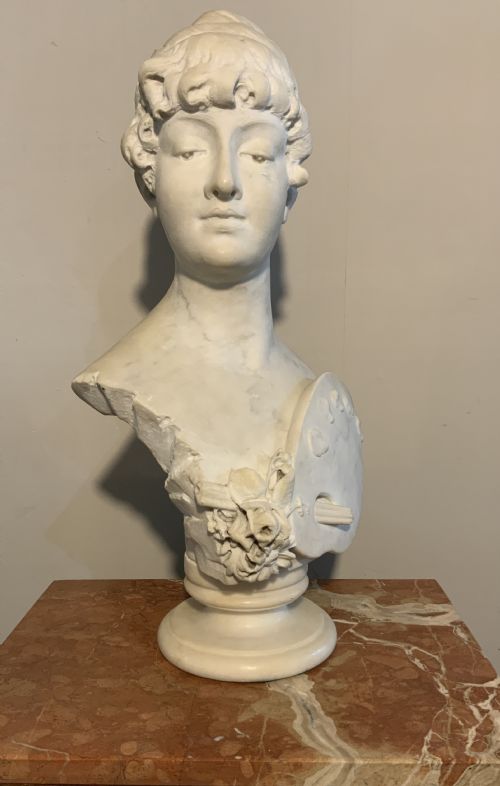
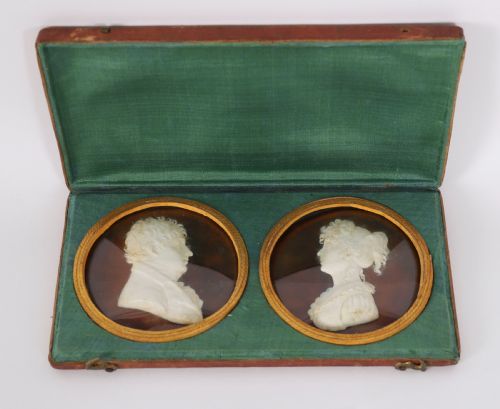
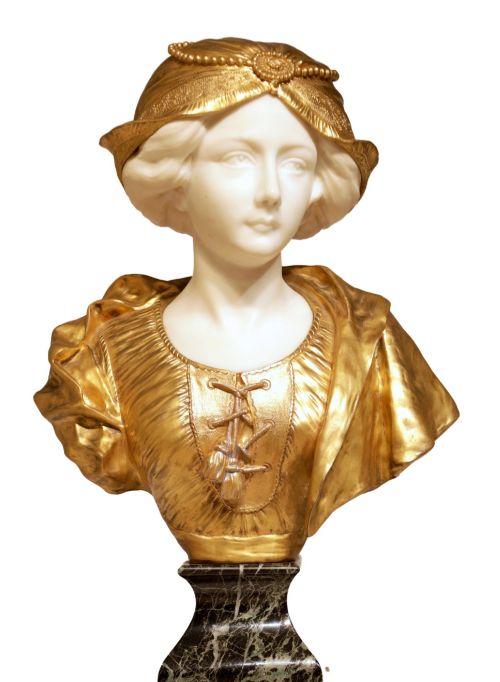
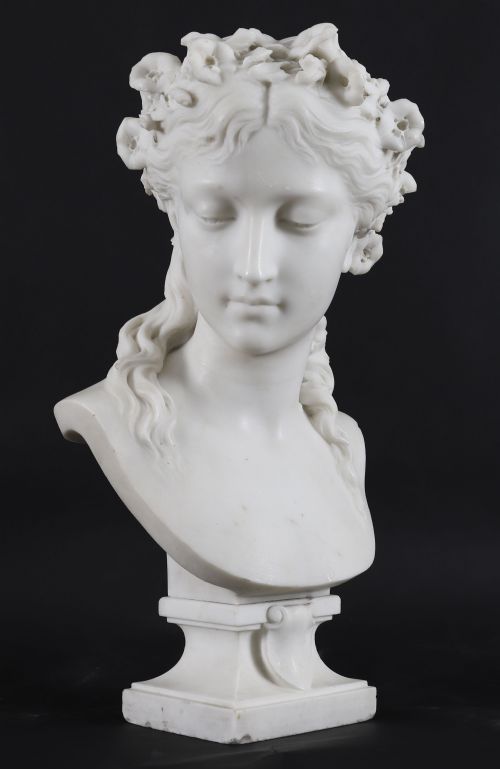
A white bust brings classical gravity and portraiture into a room, spanning carved marble deities, alabaster figures and parian porcelain likenesses from the nineteenth and twentieth centuries.
White Bust
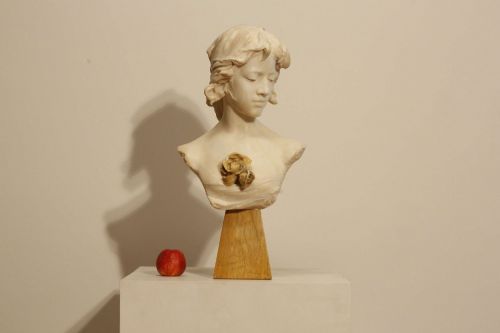
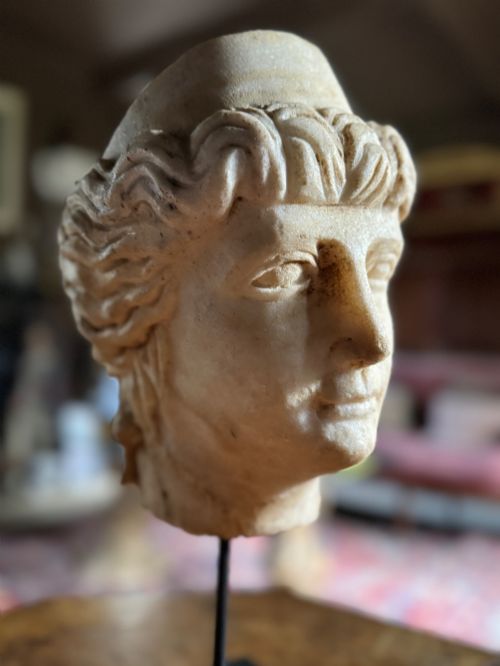
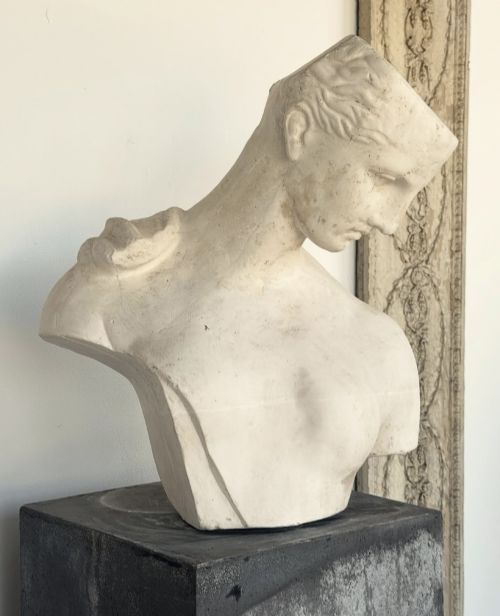
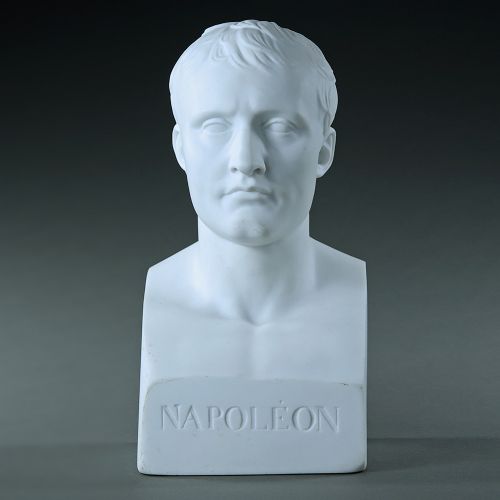
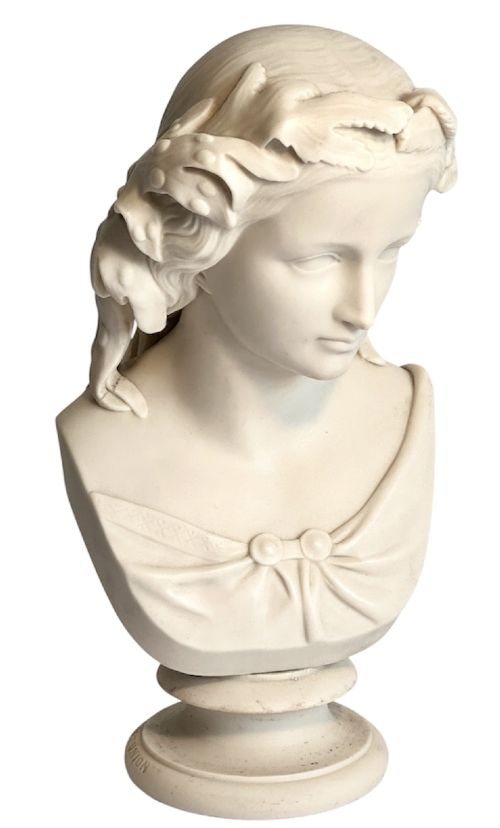
When you search for a white bust, you encounter sculptural portraits and mythological studies executed in pale materials across various historical periods. The selections range from Grand Tour marble representations of classical figures to Victorian parian porcelain literary subjects and twentieth-century plaster portraits.
You are most likely to meet nineteenth-century Italian and British works carved from statuary marble or cast in parian porcelain and plaster. These pieces depict historical statesmen, fictional heroines, classical deities and anonymous subjects set upon socles or pedestals.
The form developed from ancient sculptural traditions, finding renewed popularity during the neoclassical revivals and the Victorian era. Workshops produced both large-scale civic monuments and smaller library pieces designed for domestic display.
Materials and construction methods
Carved pieces utilise hard stones such as Carrara marble, statuary marble and alabaster, shaped with chisels, rasps and drills by skilled sculptors and studio assistants. Flesh surfaces receive smooth polishing while hair and drapery often retain more textured tool marks for visual contrast.
Moulded works employ parian porcelain, a fine ceramic body developed in the nineteenth century that mimics the appearance of carved marble when fired. Plaster sculptures are cast from moulds taken from original clay models, sometimes finished with paint or patination to emulate stone.
White Bust Retail Price Guide 2026
Typical asking prices for white bust among the pieces listed under this phrase on Sellingantiques today, from the lower quarter to the upper quarter. They describe what is for sale here now, not the wider market.
Listings feature white bust works across marble, alabaster, plaster, stone and parian porcelain from the nineteenth and twentieth centuries.
Distinctions in craftsmanship
The distinction between ordinary and exceptional carving lies in the precision of anatomical detail and the sensitivity given to facial expression. Master sculptors captured subtle shifts in bone structure, lifelike tension in neck muscles and natural fall in hair strands.
Material selection and casting finish also determine distinction. Superior marble blocks remain free of heavy grey veining in sensitive facial areas, while fine parian porcelain casts exhibit sharp relief without firing distortion or surface blemishes.
Affortunato Gory·Eugene Aizelin·Raffaelo Monti·John Wenlock Rollins·R. Mattei
The White Bust Glossary
- Socle
- A short plinth or pedestal supporting a bust. It provides stability and visual separation from the main display surface.
- Parian porcelain
- A fine-grained, unglazed ceramic material developed in the nineteenth century. It resembles carved marble and was widely used for portrait busts.
- Grand Tour
- A cultural journey through Europe undertaken by young gentry in the eighteenth and nineteenth centuries. Travellers frequently purchased small marble carvings and classical replicas as souvenirs.
- Neoclassical
- An artistic style drawing inspiration from the art and culture of classical antiquity. It dominated European sculpture and architecture during the late eighteenth and nineteenth centuries.
- Diadem
- A jewelled crown or headband worn as a symbol of royalty or divinity. It appears frequently on carved marble depictions of ancient goddesses.
White Bust: Frequently Asked Questions
What is a parian bust?
A parian bust is a sculptural portrait cast from an unglazed white porcelain body developed during the nineteenth century. This ceramic material was specifically formulated to imitate the smooth texture and tonal quality of carved marble.
Manufacturers used parian to produce accessible portraiture of literary figures, royals and historical personages for domestic interiors. These pieces offer fine detail and durability while remaining distinct from natural stone.
How were nineteenth century marble busts displayed?
Nineteenth-century marble busts were typically displayed on library tables, mantelpieces or dedicated tall pedestals and plinths. Placing them at eye level enhanced their sculptural presence and mimicked museum presentation.
Many pieces were created with an integrated marble or alabaster socle to anchor the sculpture securely. Pairing them with painted wooden stands or stone columns remains a traditional method for room placement.
How do I identify a Grand Tour sculpture?
Grand Tour sculptures are typically European travel souvenirs produced during the nineteenth century, often copying famous classical antiquities seen in Italian galleries. They frequently depict Roman or Greek deities, philosophers and mythological subjects in carved marble or alabaster.
These works reflect the educational travels of collectors who commissioned or bought them abroad. Their scale often suited domestic display cabinets or study desks.
What is the difference between marble and alabaster?
Marble is a hard metamorphic rock formed from recrystallised carbonate minerals, capable of taking a high, durable polish. It resists scratching and maintains crisp, sharp edges in detailed carving.
Alabaster is a softer mineral stone composed of gypsum, offering a translucent quality that allows light to penetrate slightly beneath the surface. This softness makes alabaster easier to carve rapidly but more vulnerable to surface marking.