





White Buffet
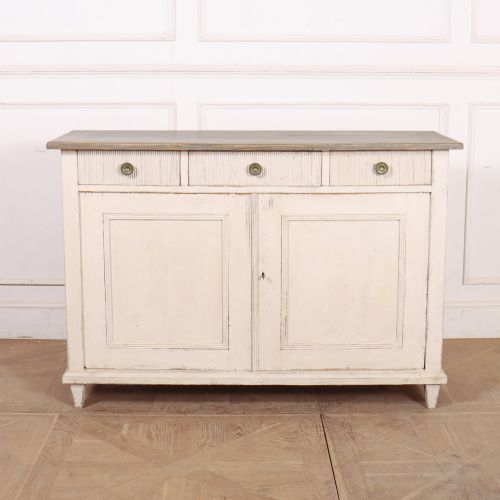
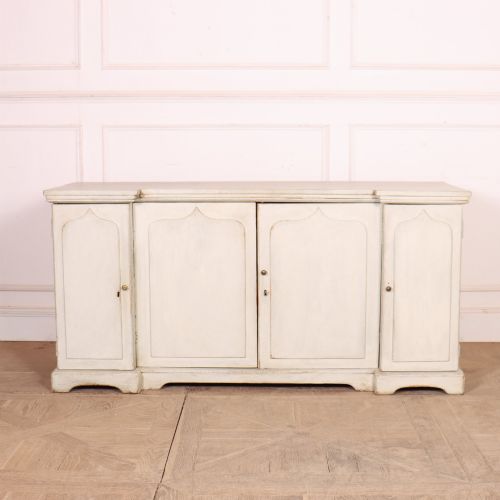
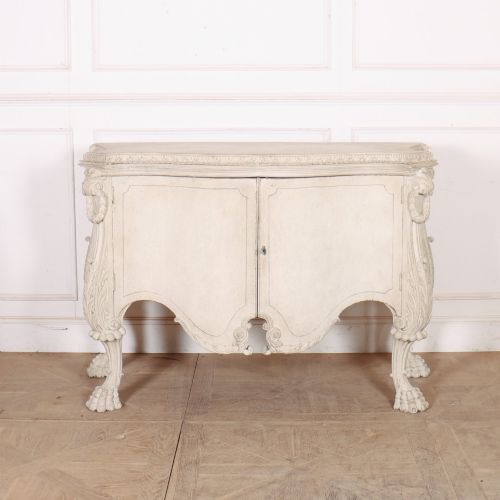
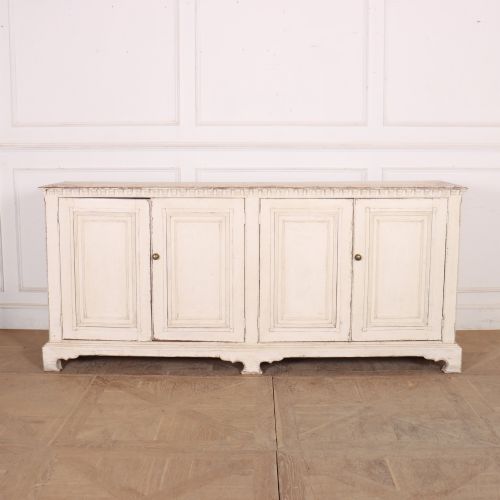
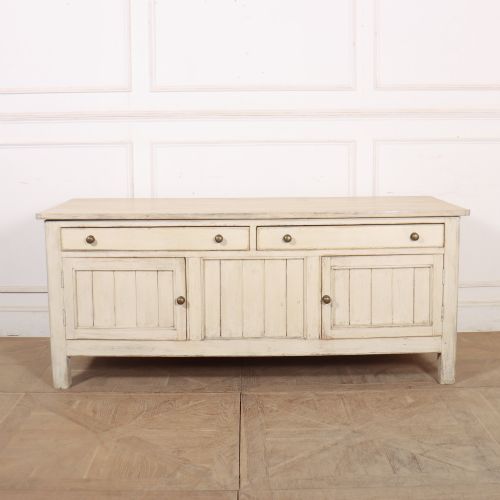
These white buffet pieces are painted and timber storage furniture bringing bright surface and historic storage to a room.
White Buffet
A white buffet search uncovers painted timber storage forms, including dresser bases and side cabinets originating across the nineteenth century. These items offer substantial surface space and interior capacity while presenting lighter painted or polished finishes.
The selections on this page lean heavily into nineteenth-century painted wood, pine, and mahogany pieces spanning Victorian, Regency, and Continental styles. Buyers will frequently encounter English dresser bases alongside French and Italian painted cabinets.
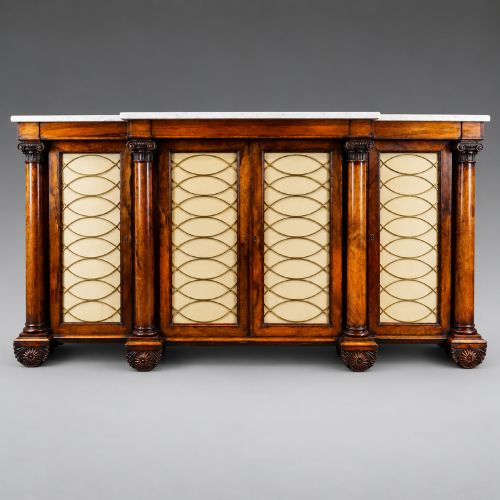
Forms range from simple potboard dresser bases and sideboards to elaborate marble-topped credenzas and enfilades. Each variant provides dedicated storage tailored to dining rooms, hallways, and living spaces.
Materials and construction methods
Construction relies on traditional timber framing using pine, mahogany, oak, and walnut, often finished with applied paint surfaces. Joinery techniques from the nineteenth century dictate the sturdy carcass construction of these dressers and sideboards.
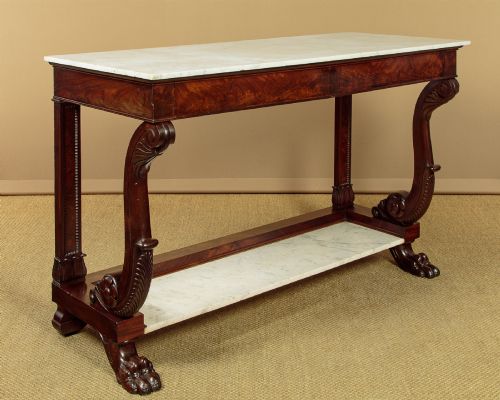
Marble tops appear frequently on nineteenth-century Continental and Victorian servers, providing durable and decorative surfaces. Brass mounts and hardware add functional detail to mahogany and walnut credenzas and cabinets.
White Buffet Retail Price Guide 2026
Typical asking prices for white buffet among the pieces listed under this phrase on Sellingantiques today, from the lower quarter to the upper quarter. They describe what is for sale here now, not the wider market.
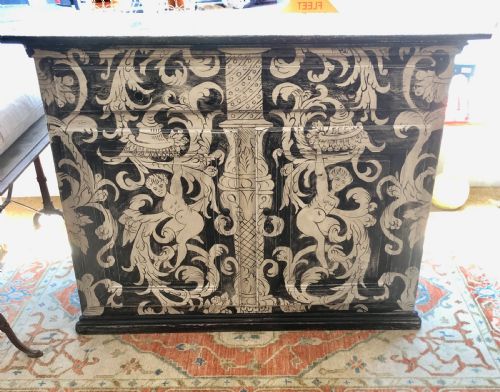
Grotesque painted motifs occasionally peer out from nineteenth-century panels, bringing unexpected theatrical charm to quiet dining rooms.
Assessing quality in painted storage
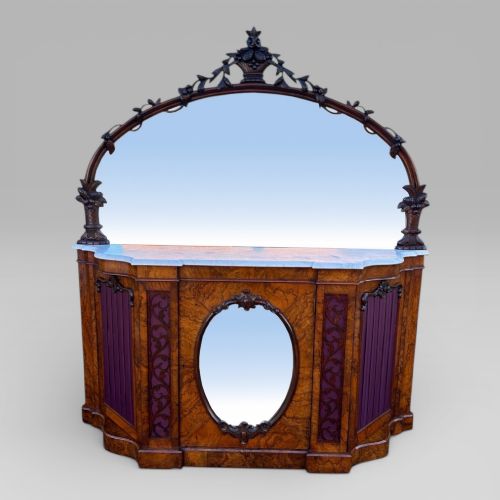
Quality rests in the integrity of the timber frame, the execution of painted finishes, and the originality of mounts and marble tops. Finer examples display balanced proportions and careful integration of decorative elements like marquetry or carved mirror backs.
The distinction between standard utility storage and high decorative pieces lies in the subtlety of the painted surface and the quality of secondary woods. Superior execution shows in smooth drawer operation and well-preserved structural joinery.
The White Buffet Glossary
- Dresser base
- A low freestanding kitchen or dining table fitted with drawers and cupboards below. This form provides open potboards or closed storage for household provisions.
- Credenza
- An ornamental sideboard or cabinet lacking legs, sitting low to the floor. Victorian iterations often incorporate marble tops and mirrored backs.
- Enfilade
- A long suite of rooms or a long sideboard designed for grand formal dining spaces. Continental examples often feature painted wood finishes.
- Chiffonier
- A low sideboard or small tall-backed cupboard developed during the nineteenth century. It typically includes shelves and enclosed cabinet space.
- Potboard
- An open lower shelf built into traditional dresser bases. It served originally to hold pots and heavy earthenware.
White Buffet: Frequently Asked Questions
What is a white buffet used for?
These pieces serve as practical storage furniture for dining rooms and hallways, holding tableware, linens, and provisions. The flat upper surface also provides display space for lamps, ceramics, and decorative objects.
Historically, larger versions stored serving dishes near the dining table for efficient meal preparation and hosting. Today, they function equally well in contemporary interiors for general household organisation.
How do I clean a painted buffet?
Dust the surface regularly with a soft, dry cloth to prevent dirt buildup on the painted finish. Avoid harsh chemical cleaners that can strip or damage historic paint layers.
For marble tops, use mild soap and warm water followed by immediate drying. Protect the stone from acidic spills to preserve the polished finish.
Are these buffets antique?
The listings span the nineteenth century, including Victorian, Regency, and 1880s periods. Construction methods, timber types, and wear patterns reflect this historic age.
Makers utilised traditional hand-tool methods typical of nineteenth-century workshops. This heritage distinguishes them from modern reproductions.
Where did these cabinets originate?
Origins span English, French, Italian, and Swedish workshops from the nineteenth century. Regional preferences shaped whether pieces received painted finishes or polished hardwood surfaces.
Continental examples often showcase distinct carving styles and marble tops, while English country pieces favour pine and oak construction.