


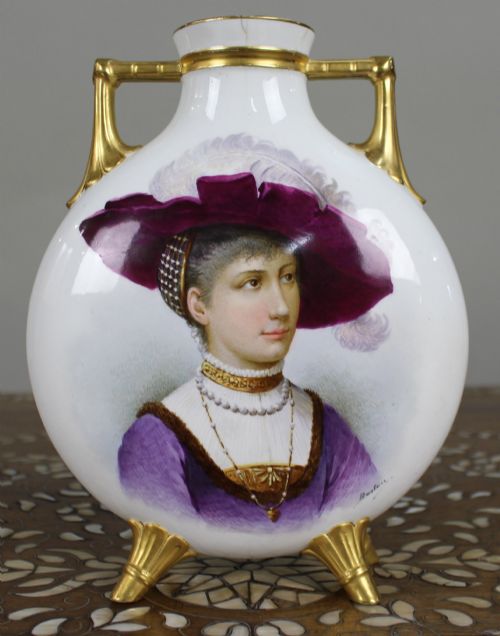


White and Gold Urns
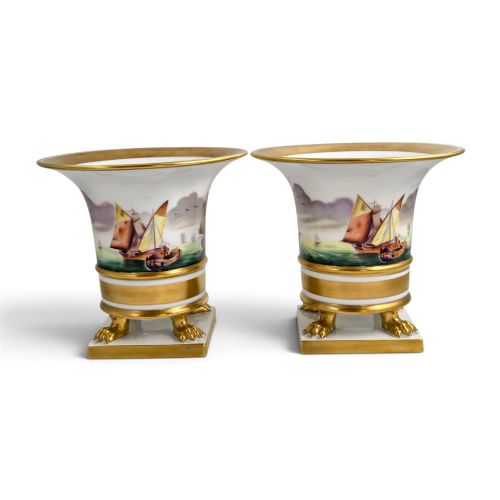
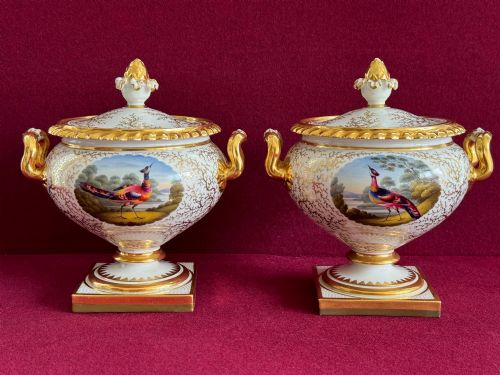
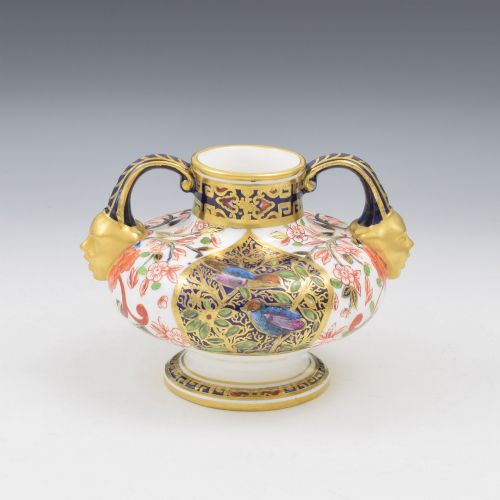
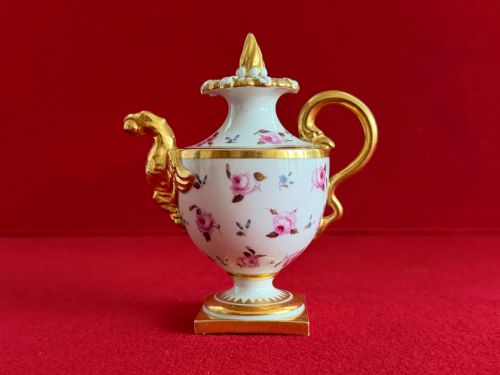
White and gold urns bring together classical form and rich metallic contrast, offering a commanding decorative presence for the home.
White and Gold Urns
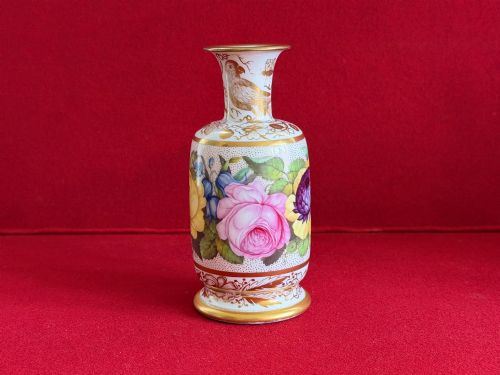
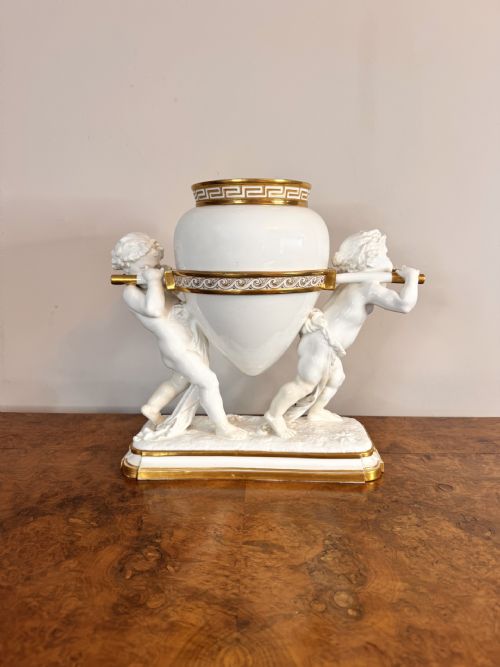
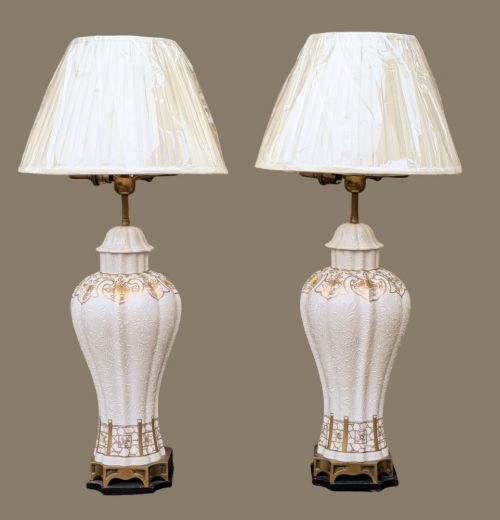
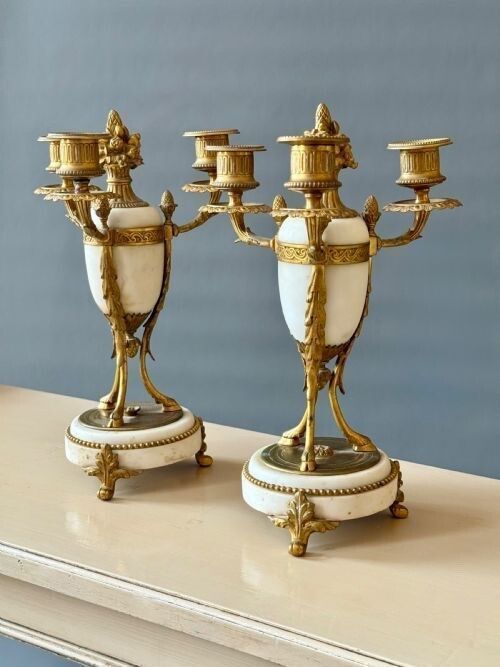
White and gold urns encompass decorative ceramic vessels, marble mounts and mounted lamps hailing from Georgian, Regency, Victorian and later nineteenth-century workshops. The pieces seen here range from classical porcelain vases and ice pails to French candelabras and table lamps employing striking dual-colour palettes.
Buyers will most frequently encounter nineteenth-century English porcelain and French decorative items combining white surfaces with rich gilding or ormolu mounts. These objects often adopt classical shapes such as the Medici form, combining bright white ceramics with applied gold leaf or gilt bronze.
Originating across European and Japanese traditions, these items include works by established porcelain manufacturers alongside French marble and bronze works. The selection reflects diverse historical revivals, from Neoclassical and Louis XVI styles to Empire and Meiji period designs.
Materials and construction
The foundation of these pieces relies on high-fired porcelain, opaline glass or white marble, providing a crisp pale surface. Makers then applied hand-painted details, gilding or gold leaf to accentuate the contours of the vessels.
Metal components such as gilt bronze, ormolu and ormolu mounts were cast and chased to frame the marble or ceramic bodies. These bronze elements add structural weight and intricate metallic texture to candelabras, clocks and pedestal vases.
White and Gold Urns Retail Price Guide 2026
Typical asking prices for white and gold urns among the pieces listed under this phrase on Sellingantiques today, from the lower quarter to the upper quarter. They describe what is for sale here now, not the wider market.
Materials recorded on this page include porcelain, enamel, gold leaf, ormolu and white marble.
Assessing quality and finish
The distinction between standard production and exceptional manufacture lies in the crispness of the hand-painting and the depth of the gilding. Finely articulated brushwork by named artists and heavy, well-chased ormolu mounts elevate a piece significantly above routine factory output.
The integration of materials also defines the tier of the object, where precision in fitting gilt bronze to white marble or porcelain demonstrates superior craftsmanship. Heavier potting, refined reticulation and harmonious proportions separate ambitious exhibition pieces from everyday domestic wares.
Flight Barr and Barr·Royal Worcester·Derby Porcelain·Kinrin Workshop
The White and Gold Urns Glossary
- Ormolu
- Gilded bronze, where a finely ground high-carat gold-mercury amalgam is applied to a bronze base. This technique creates a rich, matte yellow-gold finish common on French decorative hardware.
- Gilding
- The application of gold leaf or gold dust to a surface. It highlights architectural details and porcelain reserves with a reflective metallic sheen.
- Medicean vase
- A bell-shaped classical urn form featuring a rounded body tapering to a pedestal foot, frequently rendered in porcelain or marble. The shape derives from antiquity and experienced revivals during the Georgian and Victorian periods.
- Reticulation
- An openwork decorative lattice pattern pierced through the ceramic body before firing. Skilled artisans executed this delicate work on exhibition porcelain to create intricate web-like textures.
White and Gold Urns: Frequently Asked Questions
What periods do these pieces date from?
The selection spans from the late eighteenth century through the nineteenth century and into the early twentieth century. Key eras represented include the Georgian, Regency, Victorian and 1920s periods.
Most items reflect historical revival styles such as Louis XVI, Neoclassical and Empire designs. European porcelain factories and Japanese kilns produced these decorative works across distinct manufacturing epochs.
How were these urns used historically?
These vessels served various decorative and functional purposes in period interiors, acting as centrepieces, mantel ornaments or lighting supports. Some forms, such as ice pails and cream tureens, held food at formal dining tables.
Other examples functioned purely as decorative vases, garnitures or housing for clock movements and candleholders. Their striking visual contrast suited them for prominent display in reception rooms and drawing rooms.
How can I tell French pieces from English ones?
French pieces frequently incorporate heavier gilt-bronze or ormolu mounts combined with white marble or Paris porcelain. They often lean towards architectural Louis XVI and Empire revival aesthetics.
English examples tend to feature refined bone china bodies produced by notable domestic potteries like Worcester or Derby. These often showcase botanical or pastoral hand-painted reserves alongside traditional gilding.