

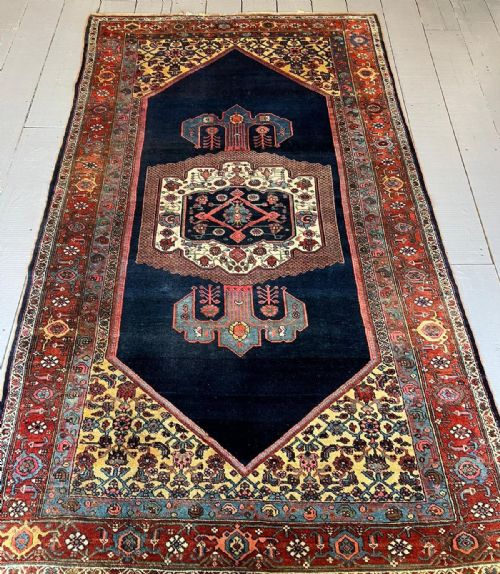


West Persia Carpet
A west persia carpet brings centuries of nomadic weaving traditions and village craftsmanship directly onto the floor.
West Persia Carpet
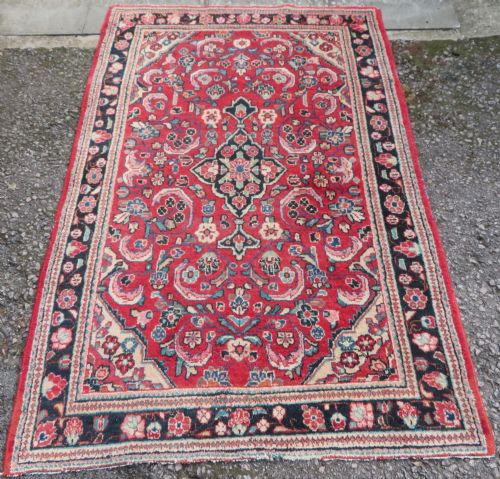
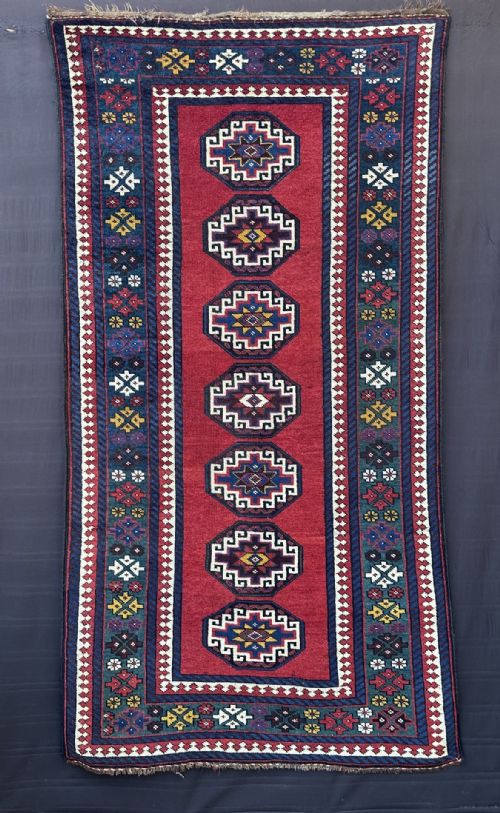
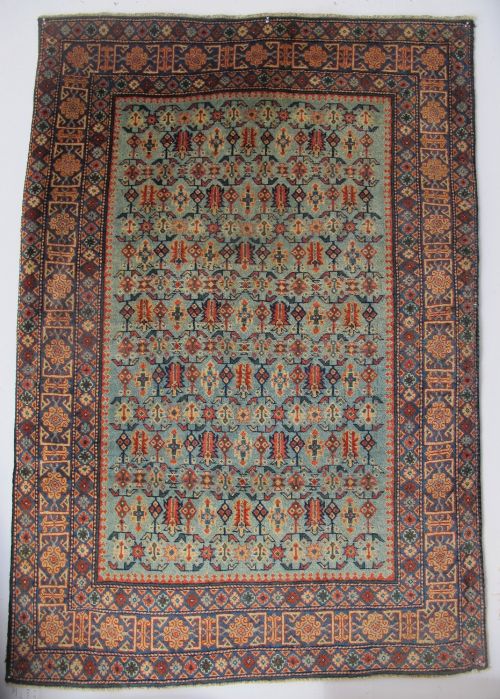
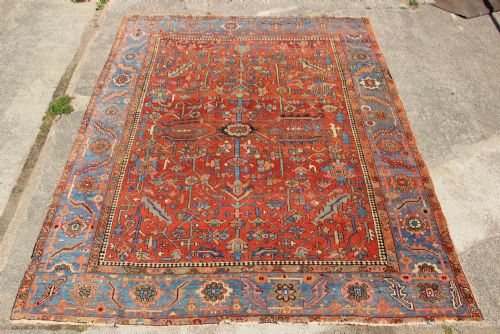
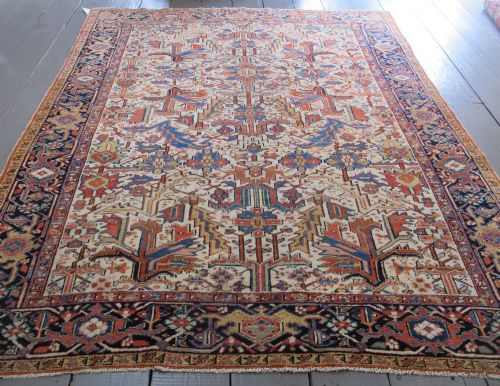
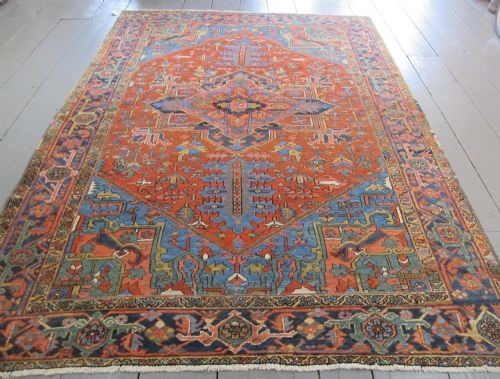
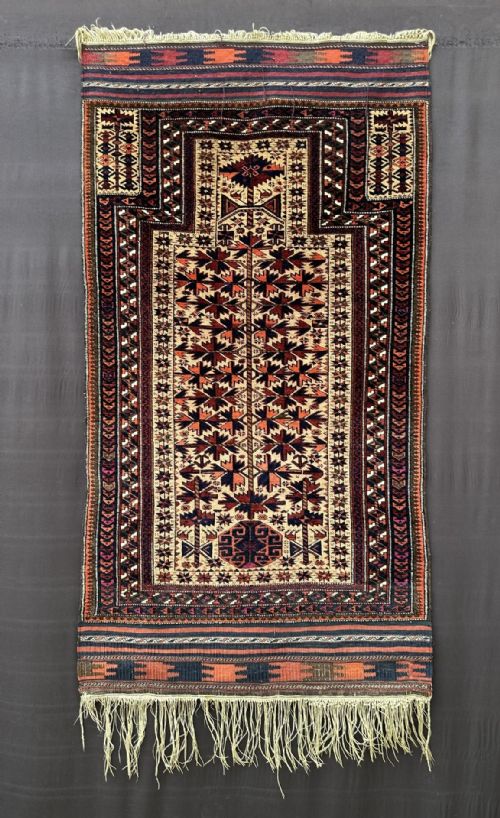
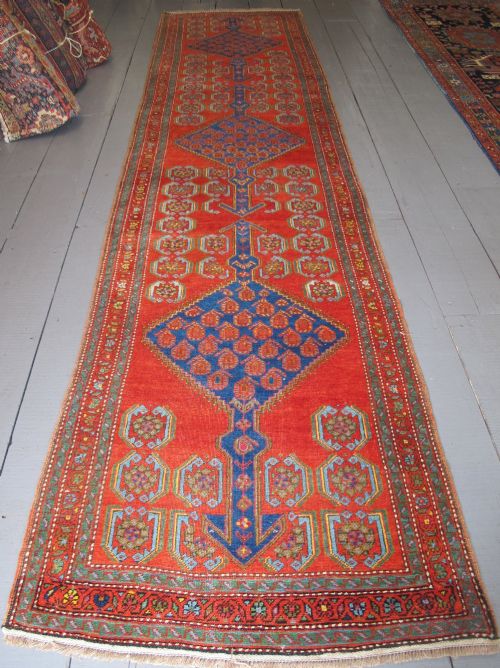
When searching for a west persia carpet, collectors encounter a diverse range of village and tribal floor coverings originating from historic weaving centres in the region. These pieces encompass everything from finely knotted room-size carpets to long runners and smaller village rugs produced across various districts.
Materials and Construction
These floor coverings rely on sturdy foundations of hand-spun cotton and wool. Artisans tie dense woolen piles by hand, securing the structure through traditional looping techniques.
Dyers utilised natural colorants derived from local plants and minerals to achieve rich hues. Over generations, these organic dyes develop a characteristic depth and soft patina across the pile.
Listings feature wool and cotton materials shaped into various forms, including hallway runners, area rugs, and large room-size carpets.
Factors That Separate the Finest Pieces
The standard of a West Persian weaving is largely determined by knot density and the precision of the curvilinear or geometric drawing. Tighter knotting allows for sharper outlines and finer detail within medallions and border patterns.
Another key distinction lies in the quality of the wool and the vibrancy of the natural palette. Superior pieces display harmonious colour saturation and resilient pile material that retains its structural integrity over decades of use.
Waring and Gillow·Benlian·Ziegler
The West Persia Carpet Glossary
- Kelleh
- A long rectangular rug format traditionally used in Persian domestic interiors. These pieces typically display an elongated central field suited for narrow spaces.
- Medallion
- A large central ornamental motif placed in the middle of the carpet field. This design element often anchors the entire symmetrical layout of the rug.
- Prayer rug
- A small format featuring a distinct niche or arch design at one end. Historically, weavers created these pieces for devotional use.
- Runner
- An exceptionally long and narrow carpet format designed for corridors, hallways, and staircases. They provide durable floor coverage for linear spaces.
- Warp
- The stationary vertical threads stretched tightly on the loom before weaving begins. The pile knots are tied around these foundational strands.
- Weft
- The horizontal threads passed back and forth between warp threads to secure the knot rows. This process binds the structure firmly together.
West Persia Carpet: Frequently Asked Questions
How do I care for an antique Persian rug?
Vacuum your rug gently using suction only, avoiding rotating brush attachments that can pull at the wool pile. Professional cleaning by specialists in antique textiles is recommended every few years to remove embedded grit without damaging the natural fibres.
Keep the carpet out of direct, intense sunlight to prevent the natural dyes from fading unevenly over time. Rotating the rug periodically also ensures even wear patterns across high-traffic areas.
What is the difference between a village rug and a tribal rug?
Village rugs are typically woven by settled communities in permanent workshops or homes using established regional templates. These pieces often feature structured geometric layouts and well-defined borders passed down through local weaving traditions.
Tribal rugs, by contrast, are produced by nomadic or semi-nomadic confederacies relying on memory patterns. Their designs frequently incorporate spontaneous tribal motifs, animal figures, and asymmetrical touches unique to the weaver's clan.
Can these carpets handle daily foot traffic?
Hand-knotted wool carpets from the nineteenth and early twentieth centuries were built for domestic utility. The combination of sturdy cotton foundations and lanolin-rich wool makes them remarkably resilient against normal household wear.
Using a quality rug underpad underneath will absorb impact and prevent slipping, further extending the working life of the pile. With sensible maintenance, these floor coverings easily accommodate everyday living.
How are different regional styles identified?
Regional styles reveal themselves through specific combinations of colour palettes, border arrangements, and structural motifs. For instance, certain districts favour bold geometric medallions, while others lean towards intricate all-over floral sprays.
Examining the weave structure, fringe finishing, and edge binding also provides crucial clues to the specific valley or workshop where the piece originated.