



Welsh Country Armchair
These robust pieces are a welsh country armchair, built by regional makers to serve domestic life through centuries of hard use.
Welsh Country Armchair
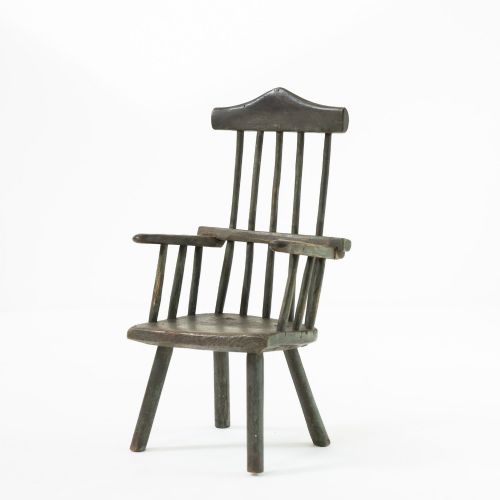
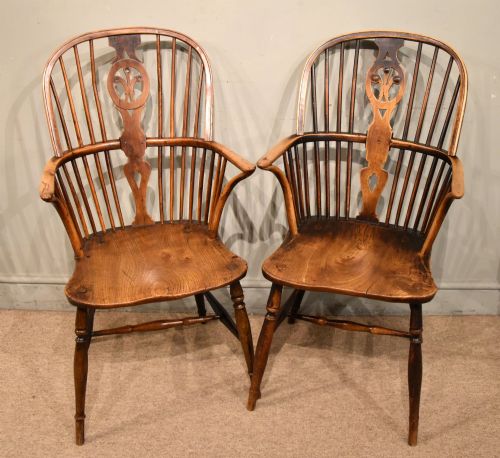
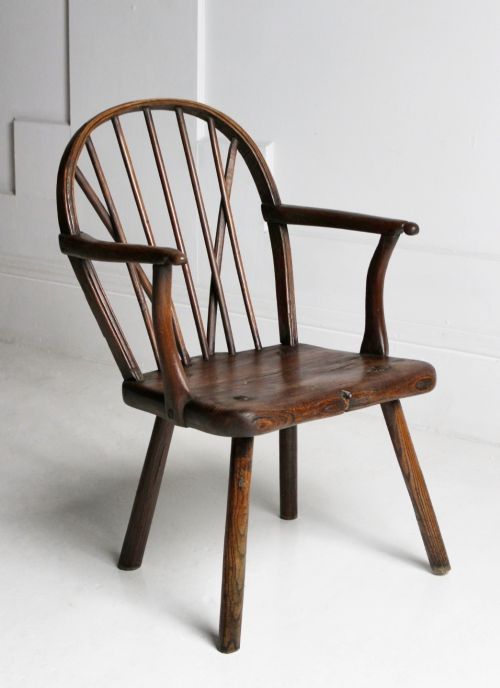
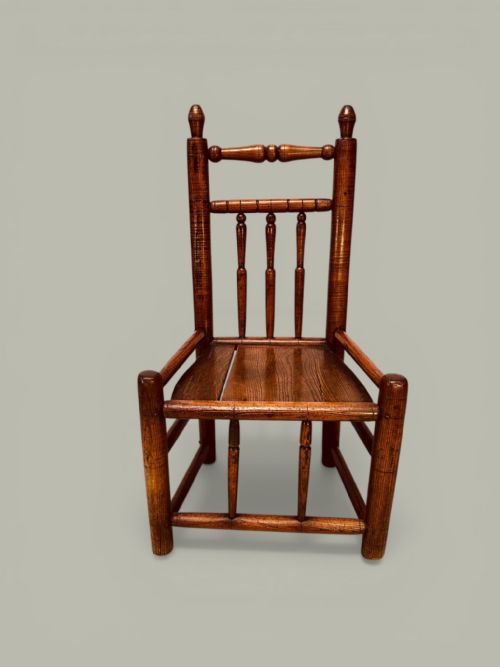
The version most commonly met on this page is the oak, ash, or elm armchair, often displaying high or stick backs created in regional workshops. Makers utilised native timbers to build heavy, functional forms that range from simple vernacular stick chairs to generous panelled or wainscot armchairs.
What varies in quality
The character of the timber dictates the distinction between standard items and exceptional survivals, particularly when burr elm or heavy quarter-sawn oak is present. Grain movement and the selection of figured wood reveal the care taken by the original maker.
Proportion and structural integrity separate robust pieces from those compromised by heavy alterations over time. The balance of a high comb back or the sweep of a stick arm demonstrates regional competence and individual skill.
Certain chairs double as tables, allowing a lonely armchair to instantly become a dining surface when dinner is served.
The Welsh Country Armchair Glossary
- Stick back
- A chair design where turned or shaved spindles are tenoned directly into a solid wooden seat. This construction method forms the backbone of many regional country chairs.
- Wainscot
- A heavy wooden armchair constructed with panelled backboards and solid arms, reminiscent of seventeenth-century joinery. These pieces represent the heavier domestic seating of earlier centuries.
- Comb back
- A Windsor variant where the top rail resembles the teeth of a comb, often featuring an extended headrest. It provides extra support and height to the seated occupant.
- Vernacular
- Objects designed and built by local tradesmen for everyday use, following traditional regional patterns rather than high-style metropolitan fashions. This term captures the practical utility of country furniture.
- Chair-table
- A convertible furniture form with a large hinged top that tilts back to transform the seat into a table. These dual-purpose items maximised space in modest rural dwellings.
Welsh Country Armchair: Frequently Asked Questions
How do I identify a welsh country armchair?
Look for the use of regional timbers like oak, ash, and elm combined with vernacular construction methods such as stick backs or panelled wainscot frames.
Examine the form for regional variations originating from valleys and counties, noting whether the chair is a comb back windsor or a heavy panelled armchair.
What woods were used for these chairs?
Makers relied on native British hardwoods, predominantly oak for structural frames and panels, alongside ash and elm for turned spindles and solid seats.
Occasionally, yew and burr elm appear in more expressive examples, adding distinctive grain patterns and warmth to the finished seating.
How should I care for an antique oak armchair?
Keep the timber away from direct heat sources and sudden temperature shifts to prevent the wood from splitting or warping.
Apply traditional wax sparingly and buff gently with a soft cloth to maintain the natural patina built up over centuries.
Are child's armchairs period pieces?
Miniature stick backs and Windsor-style armchairs were made during the eighteenth and nineteenth centuries as functional seating for children in country homes.
They replicate the larger adult designs with identical timber choices and construction techniques scaled down for domestic use.